You asked for it, and she’s delivering. As a thrilling spinoff to The Real Adoptea Moxie – Introducing AdopTEA RealiTEA, One-on-One Virtual Table Talk Sessions with Pamela A. Karanova launching in April 2023.
For over a decade, Pamela has poured thousands of hours into providing emotional labor to the adoption community. Most of the time, this labor of love has been behind the scenes, in one-on-one conversations and interactions with adoptees worldwide.
Navigating the reality that providing others with insight has created an emotional burnout in Pamela that has caused her to retreat, withdraw and disconnect due to the overload of trauma dumping she experiences daily.
Pamela is taking on a new approach in opening up her schedule to continue these conversations by entering a self-care space. She is giving herself the rightfully deserved gift of being compensated for her endless emotional labor.
Creating a healthy balance for Pamela to host these in-depth conversations is a radical form of self-love for herself and the community she adores. However, this is essential in setting boundaries for her emotional and mental wellbeing while providing a service to the community she is so deeply passionate about.
Table Talk with Pamela A. Karanova allows specific days and times to connect more profoundly with those who seek soothing, validation, understanding, and acknowledgment from abandonment, rejection, grief, loss, anger, and rage from the adoptee experience. It’s a space for conversations between Pamela and adoptees and non-adoptees.
In addition, Pamela has created life-saving resources for the adoptee community, and 100% of her efforts have been a labor of love out of the goodness of her heart, never being compensated for all the work she has put into the adoptee community.
After 27 years of alcohol dependence to numb her pain from her adoption experience, Pamela has spent over a decade healing and recovering from relinquishment and adoption trauma.
As a result, Pamela has given herself the gift of being recovered and lives a joyful and nourishing lifestyle. Today, she’s well-versed in her healing journey and has a wealth of self-care tools that have helped her heal that she’s happy to share.
While she has built relationships with adoptees and others in the adoption constellation worldwide, she has a lot of wisdom, validation, acknowledgment, and understanding for anyone who would like to understand the adoptee experience more profoundly.
AdopTEA RealiTEA Virtual Table Talk Sessions are dedicated to curating a better understanding of the adoptee’s experience by having difficult conversations about adoption.
Pamela constantly has requests for one-on-one conversations with others in the adoption constellation. Virtual Table Talk will make that possible and foster a more profound connection than what’s allowed on today’s social media platforms.
You may be an adoptee seeking clarity, healing, or validation. Maybe you are married to an adoptee or have an adoptee as a close friend or family member. Maybe you are a birth mother trying to understand the child you relinquished for adoption. But, on the other hand, maybe you are an adoptive parent who has the willingness to understand and learn from Pamela’s lived experiences. Whatever your role is, Pamela has set aside time for you!
Time is money, and emotional labor isn’t free, and we must acknowledge this reality. Trauma dumping is rampant online, and we must be conscious and aware that emotions carry weight and affect other people. The entitlement that another person be indebted to care for us emotionally is something we should all reconsider.
So, to continue to invest in the adoption constellation in this way, Pamela is launching an exclusive platform for a small fee of $35 per Virtual Table Talk Session (one hour) while creating lifelong connections and conversations with anyone who is a part of her supportive community.
If you are an adoptee who can’t afford this service, please watch Pamela’s Instagram & Facebook social media where she will be gifting Table Talk sessions periodically.
This new adventure allows you to book one-on-one AdopTEA RealiTEA Virtual Table Talk Sessions with Pamela A. Karanova.
You invest in Pamela and she invests in you.
This should not be considered therapy as Pamela is not a therapist. Still, she does have a lifetime of lived experiences and a expansive range of resources and recommendations to share. This is an opportunity to grow to understand the adoptee experience more profoundly.
So whatever hat you wear in the adoption constellation, Pamela has a space for you at her table with a wealth of knowledge to share.
In addition, Pamela has a passion and gift for building relationships, being a great listener, and offering advice or suggestions if asked. So whether you book a one-time or once-a-week session, Pamela is excited to connect with you!
Suppose you need a different time than those Pamela has blocked off. No problem. Pamela will set up a particular time that works for both of you. Email her to discuss.
Do you wish to pay via CashApp, Venmo, PayPal, or Zelle? No problem! Reach out to Pamela via email to discuss.
Please contact Pamela directly if you would like to pay it forward to assist another adoptee in virtual table talk sessions. Also, would you like to gift table talk to an adoptee you know and love? Pamela’s happy to discuss it!
Remember to bring your hot tea for this special occasion! So book your one-hour table talk time today, but hurry – the limited time slots will book quickly.
Whether you’re a free or a paid subscriber, I’m excited to have you as part of The Real Adoptea Moxie Community, and thank you for supporting my work! Jump on over to substack and subscribe today!
Understanding is Love,
Pamela A. Karanova
The Real Adoptea Moxie is a reader-supported publication. To receive new posts and support my work, consider becoming a free or paid subscriber.
Disclaimer: The views and opinions expressed in this article and podcast are that of the author, Pamela A. Karanova. These articles are for educational and entertainment purposes only. Nothing shared on this platform is to be taken as psychological, medical, or legal advice. Reproduction of the material contained in this publication may be made only with the written permission of Pamela A. Karanova. While Pamela hopes that you find the information on her website valuable and informative, please note- the information contained here is for general information purposes only. Pamela A. Karanova provides the information to have the information up-to-date and correct; she makes no representations or warranties of any kind, express or implied, about the completeness, accuracy, reliability, suitability, or availability concerning the resources listed on the website or the information, products, services, or related graphics contained on the resources listed on her website. Therefore, any reliance on such information is strictly at your own risk. Through this website, you can link to other websites which are not under the control of Pamela A. Karanova. She has no control over the nature, content, and availability of those sites. Including links does not necessarily imply a recommendation or endorse the views expressed within them.
Pamela Karanova’s website, where she documents her journey over years of her life, uncovering the truth of who she is and where she came from. Her audible memoir can be found here titled, “Finding Purpose in the Pain, One Adoptee’s Journey from Heartbreak to Hope and Healing.”
Dear Adoption, is a community where adoptees share stories.
JoJo Patience – Adoptee Self-Help Book and Coaching for Adoptees
Start writing, journaling, and documenting your adoptee journey. WordPress is our recommended platform that is free to use. Healing through writing is a wonderful healing outlet, and we highly recommend it.
If you have any recommended resources we can add to this list, please leave them below, and we will consider adding them to our database.
Crisis Hotline Numbers
National Suicide Prevention Lifeline
Call: 1-800-273-TALK (1-800-273-8255)
The Trevor Project – LGBTQ Community.
Call: 1-866-488-7386
National Domestic Violence Hotline
Call: 1-800-799-7233
National Sexual Assault Hotline
Call: 1-800-656-HOPE (1-800-656-4673)
Suicide Hotline:
Call: 1-800-784-2433
National Hopeline Network
Call: 1-800-442-4673 General Crisis Support by Text
Crisis Text Line: Text Support to 741-741 (24/7) Trained counselors can discuss anything that’s on your mind. Free 24/7, confidential. crisistextline.org
This article compiled by Pamela A. Karanova. Don’t forget this article, along with all my other articles, are available in audio for your convenience; look up Pamela A. Karanova Podcast on Google Podcasts, iTunes, and Spotify. And Amazon Music. Interested in treating me to a coffee to add fuel to my fire? Click here. Many thanks in advance to my supporters!
In 2014, I decided to call on my fellow adoptees on the How Does it Feel to Be Adopted? Page to help collaborate and share thoughts from the heart, reflecting the voices almost always overlooked in the adoption constellation. Over 8 years of collecting these submissions, this article collaborates with over 100 Adoptees who share heartfelt feelings on why they are angry from the adult adoptee’s perspective. So, 100 of us came together to capture some of the feelings and experiences adoptees go through during their lifetimes and why we are angry.
The reasons an adopted person might be angry are endless and no two adoptee experiences are the same. We experience healing by sharing our feelings and anger is a natural, normal feeling to the adoptee experience. It can add great fuel to our fire to raise awareness, and bring some light to the dark side of adoption that can and does help promote change.
While you read these submissions, we ask you to remain with an open heart and mind and enter the possibility that we all have a lot to learn from one another. We must recognize that adopted children grow up, reach adulthood, and consume adoption’s rollercoaster journey. We are mothers, fathers, sisters, cousins, doctors, nurses, teachers, public speakers, advocates, writers, authors, D.J’s, lawyers, homemakers, students, etc. As we grow up, we host lifelong experiences, and every experience holds value to our lives and stories. The adoptees submitted their quotes anonymously to protect their privacy for this collaboration. Some submissions are short and quaint, and some are longer filled with highs and lows of the adoptee experience. Remember, it’s taken me 8 years to complete this article, and every submission holds immeasurable value to the adoptee experience.
By sharing why adoptees are angry with the world, we hope that a new level of awareness will arise that there is so much more to adoption than what society recognizes. Perhaps love isn’t enough, or a house full of stuff? Perhaps we should start talking about relinquishment trauma as soon as possible? Maybe adoption hurts more than we would ever know?
Again, we ask for open hearts and open minds.
Thank you to each adoptee who shared their heart here many moons ago and the new submissions I received in the last 8 years to add to this article. While reading this article, you will validate that you are not alone. We’re in this together, and our voices are valuable and worthy.
We are stronger together.
I asked a straightforward question, “ADOPTEES, WHY ARE YOU SO ANGRY?”
Over 100 adoptees chimed in.
Here are their responses.
“Lack of identity. Lack of origin. Adoption being about our adoptive parent’s pain which eclipses our own, feeling like an outsider. Feeling helpless. Bullying. Discrimination. Systematic discrimination. Legal discrimination. Being forced to lead someone else’s life and not my own. Searching for an identity in all we know. Having to identify with painful backstories of pop culture icons whose worlds have been destroyed (superman, Mr. Spock, Starlord, the punisher, the list goes on). Feeling like your life is a movie because we’ve been introduced as a supplemental characters in our own story with no history. Having to grow up too fast. Being told we’re lucky. Being asked about our ‘real’ parents, being looked at like an alien. Being told, there’s a reason for our suffering without being told the reason. Feeling worthless because nobody values OUR needs. Feeling like there’s no end in sight. An inability to believe in ourselves because we believe there is something intrinsically wrong with us. Having to constantly wonder if the people you may know on Facebook are somehow related. Feeling the same feeling when walking down the street—having to wonder when starting a new relationship whether or not they’re your sibling or cousin—never being able to feel 100% comfortable in the said relationship because of that. Feeling like love is someone leaving you. Never finishing anything because of a lack of closure.” – Adult Adoptee
“My own FAMILY gave me a way to strangers. My grandmother lied to and coerced my mother to feel she had no other choice because my grandmother cared more about what the neighbors thought than my mother or me. The government conspired with my grandmother to ensure that my mother wasn’t allowed to talk to anyone unsupervised by my grandmother, so she had no opportunity to discuss or truly discover what SHE wanted. Even though the government KNEW full well that my father wanted to raise me even if my mother didn’t, they told him he had no rights to me and gave me to strangers when they COULD EASILY have allowed me to be kept within my own family.” – Adult Adoptee
“Some members of my adoptive family always treated me like an outsider. I never fit into my adoptive family. I’m not like the rest of them – even those who have been nice to me. All the other kids at school knew I was adopted and would tell me that their parents had said that my real mother didn’t love me and didn’t want me.” – Adult Adoptee
“Other people have always acted like THEY know better and have told me how I should feel and what I should or should not do. Other people gave me search advice that I wish I hadn’t taken because my mother DIED before I found her, and if I’d just called around, I’d have found her before that. Other people told me what to call my natural family, and I wish I hadn’t felt obligated to listen because it’s NONE OF THEIR BUSINESS.” – Adult Adoptee
“People do not allow us to grieve. Try telling someone your mother died and hearing, “It’s just as well.” or “You’re overreacting. You didn’t even know her.” I’m angry because my right to grieve was stolen along with my history. If I had been allowed to grieve and share my feelings as a child, I might not be as angry as an adult. Unfortunately, I’m just now grieving my losses. And yes, ANGER is a stage of that grief.” – Adult Adoptee
“I’m angry because I was told a lie most of my life by my adoptive parents. Why are we raised to tell the truth and not lie, but adoption lies are okay? Lying is not okay. I would rather know my hardcore history [My truth] than being lied to my entire life by those who are supposed to love me the most.” – Adult Adoptee
“I am angry because I was not told I was adopted until I was in my 30s, and it’s very disempowering, plus quite a shock to find out at that age.” – Adult Adoptee
“I’m angry because I grew up feeling completely out of place and ALWAYS have wondered about where I came from, and here I am- a grown adult who is STILL being denied that knowledge by other people. I am angry because I have had to put myself (and private information) out there for the world to see for only a tiny CHANCE of finding my biological identity. I am angry because I have feelings that get poo-pooed by other people who have never been in my shoes. I am angry because I am being treated like a perpetual child. Like I’m not “allowed” to want to know and that I don’t deserve to know, and most of the people with those thoughts get to know exactly where THEY came from!” – Adult Adoptee
“I’m angry because I’m in my 50s and still not allowed access to my birth certificate – even though I found all of my family member’s years ago. I’m angry that there is still a lack of support for family preservation in favor of adoption. I’m angry that having more money allows certain adopters to pull wanted children away from their families. I’m angry that so many childless people claiming to care about children only want to get themselves a baby and not help older children in foster care or even vulnerable families in their community. I’m angry that whenever adoptees attempt to speak their truth and call for changes in the system, they are silenced, called “ungrateful” and “angry,” and told they just had a “bad experience.” I’m angry that the industry is pulling in thousands of dollars at the expense of vulnerable children. I will continue to be “angry” to try to affect change for today’s children and those yet unborn.” – Adult Adoptee
“I’m angry because everyone expected me to forget my first family & expected me to be thankful for the biggest loss of my life—an entire family. I’m angry because of my adoptive parent’s gain; I lost a lifetime of memories that can’t be replaced with my biological family members.” – Adult Adoptee
“I’m angry because I was taken away from my country, culture, and native language. Not only that but I was lied to, which was pretty stupid as I was transracially adopted! My name was taken away from me. I was taken away from me, and I was renamed. If they had used my Chinese name as a middle name, that would have been fine but I wasn’t even afforded that option. What makes me even angrier is that I see 21st-century white adoptive parents making exactly the same “mistakes” or decisions as my unenlightened 60’s adoptive parents did. At least they had an excuse; ideas about culture and identity had yet to be formed, etc. But today, what’s the excuse? There is none.” – Adult Adoptee
“I’m not angry. I’m hurt. I’m hurt that my birth Mother thinks the system failed her. I’m hurt that my natural citizenship from Canada was taken away from me. I’m hurt that I was taken away from my birth father. I’m hurt that I was discarded both as a baby and an adult after the reunion. I’m hurt that my birth mother cares more about what others think than how I feel. I’m not angry; please don’t mistake hurt for anger.” – Adult Adoptee
“I’m angry because if we feel any negativity towards being taken from our roots, heritage, and FAMILIES, it’s seen as anger and dismissed. Why can’t we just be sad that we have lost so much? I am mostly sad, but I am furious that the government decided I would be better off with a married couple without any other support than my loving single mother. The latter could raise me herself and had a HUGE extended family. I’m angry that no checks were done other than to check their marriage certificate. That certificate didn’t take away the dysfunction and abuse in the marriage.” – Adult Adoptee
“It gets me angry that I fucking don’t know the beginning of my own life! How am I supposed to live a life when I don’t know how it started?” – Adult Adoptee
“I am angry that we are made to feel ashamed if we express anger because we should be grateful. That our anger is seen as unjustified and that we must have some mental health problem if we are so angry; rather than a normal reaction to a tragedy.” – Adult Adoptee
“I am an angry adoptee because not only was I given up for adoption, but so were my four siblings. Thankfully, I did find them all.” – Adult Adoptee
“Well, I have struggled with anger my entire life. I am a 48-year-old adoptee, and my Adoptive Father was also an adoptee. We BOTH had/have anger issues. It stems from fear of abandonment, I believe. Anger can creep up in the strangest places. I call these “triggers.” Because we have experienced abandonment at birth, we may not remember it, but it is imprinted on our psyche, and we carry that with us our entire lives. Our brains are also hard-wired around this event. I also believe that we intuitively know that we do not want to be abandoned again. So, we will do everything humanly possible to avoid anything we perceive as abandonment. I have read tons of books on adoption and its effects on the adoptee, which is the conclusion I have come to for today. Our brains are not fully developed at birth. When babies are taken away from our birth mother, we immediately go into fight or flight mode. Our brains at this age cannot regulate and handle all the stress that we are experiencing and our systems become overloaded with cortisol which changes how the pathways in our brand-new brains are wired. As a result, I also believe that experiencing this at birth tells us that we are not worthy, capable, or entitled to basic necessities and comforts in life. Anger is also a mask for other emotions that we “believe” we cannot or are not allowed to feel for fear of abandonment. I can ” become angry whenever I feel sadness, fear, loneliness, STRESS, being left out (This is a HUGE, HUGE trigger for me), or many other feelings. If I stop and think, “What is the underlying emotion that I am feeling right now” or “What is causing me to feel anger right now?” I can often avert the anger and deal with what I am really feeling – not always, though. Asking for help is another HUGE trigger for me simply because I have three teenage children who do not always want to help out at home. If I am having a low energy day and cannot follow through with asking for what I NEED help with, I often become angry. I become angry when I am overwhelmed. The thoughts in my head also tell me incorrect ideas that lead me to believe that I cannot ask for help – for fear of abandonment. Thankfully, I am learning to overcome this after many years of hard work. My thoughts also tell me that I cannot do nice things for myself because 1. I cannot afford it, 2. I do not have time, 3. My chores are not done. Etc., Etc., Etc. I also have a terrible habit of reading into the thoughts and feelings of others. If these people do not read my mind and act the way I “Need” them to, I become angry.” – Adult Adoptee
“I have been married for 25 years to a wonderful man who is patient and kind. I STILL, to this day, become outraged over silly little things – all because I do not communicate my needs, feelings, or wants (in a healthy way), AND I can provide myself adequate “Downtime” consistently due to fear of abandonment. Here is one example. My husband is a hunter, and he plans two hunting trips every year. Every year we talk and put the trips on the calendar. Every year I become angry at him during this time for several reasons: 1. He is preoccupied with planning for and packing for the trip. (I feel left out) 2. I have not planned a “Getaway” for myself in YEARS! (This makes me feel guilty and sad and worn out etc., etc.).” – Adult Adoptee
“In a nutshell, I think we adult adoptees have hidden triggers that creep up in several predictable and sometimes unpredictable places in our lives. These triggers cause us to feel anger because we are covering up emotions that we do not feel we should feel for fear of abandonment.” – Adult Adoptee
“The bottom line is that we had no voice & no choice. It left most of us feeling disenfranchised. It affects every aspect of our lives & our sense of self-worth. It’s as though we were just thrown away to be bought & sold to fulfill someone else’s needs rather than ours. Even as adults, we have to fight to gain any knowledge of our own personal health & family history, nationality & religious backgrounds, much less to know if we have biological relatives, & to claim our birth certificates. To get anywhere on our searches costs money & we have to face the potential for rejection from both our adoptive & biological families for doing it. People who were raised in their own family of origin get to take all of that for granted.” – Adult Adoptee
“I’m angry because I don’t have the basic right to be who I am, and I have a law that prevents me most of my life from talking to my own mother and father, while strangers who were married took me because they wanted to and because adoption is a form of slavery and child trafficking.” – Adult Adoptee
“Ambiguous grief. Why can’t you be grateful? Most adoptees are. Coercion. No one offered to help my first mother raise me. So much for helping “widows and orphans” Hijacking holy writ for personal or financial gain. Interesting that “orphans and widows” are often mentioned together in the sacred texts, implying vulnerable mothers and children. I remember one important man turning over some tables or something with the money changers. Hijacked identity. Give me my OBC.” – Adult Adoptee
“Decades lost with my siblings that wouldn’t have been without closed adoption.” – Adult Adoptee
“I’m angry that the state feels I’m incapable of knowing who my biological parents are, that the adoption industry is profiting by human trafficking and that so many adoptive parents are so insecure that they are threatened by us wanting to know our truths.” – Adult Adoptee
“I’m angry because most adoptive parents don’t have the willingness to read something like this to help understand adoptees better. They label us and say, “we just had a bad adoption experience.” Adoption in itself is a bad experience, yet they refuse to listen to us! The world refuses to listen to us! Well, someone better be angry because of all the voiceless adoptees who haven’t made it on this earth. Who’s going to stand up for them? Adoptees who attempt suicide are 4x more likely than non-adoptees. When are you people going to start listening to adult adoptees? Do we have to make lists like this so you won’t shut us down? WAKE UP. I will continue to be angry until you WAKE UP! Someone has to be angry for change to happen! #ihaveavoice I will use it!” – Adult Adoptee
“I am angry because, for 57 years, I wasted my time thinking I had to fit in with my adopted family. I am angry because I was treated as an outsider no matter what my adoptive parents said when they had their own kids. I am angry that the government made it almost impossible for me to connect with my biological mother. I am angry when I think back to incidents where I desperately needed my adoptive mother to hug me, and she never did. When I needed my adoptive parents to listen, they never did. I am angry that they always treated me differently, and then they totally rejected me when I was a teen. But mostly, I am angry that it took me this long to realize that these people are not worth my time or effort.” – Adult Adoptee
“I am not angry; I am hurt. I grew up in complete filth. I was abandoned at the hospital when I was born. My adoptive mother was in and out of psych wards my whole life, and my adoptive father was Satan in disguise. I had no upbringing. I searched for my health. My adoptive mother told me I would not be able to walk when I hit my thirties, and at 34, I lost some vision and live with extreme muscle pain. I am angry because I sound desperate. I almost feel like a person begging for food. Am I wrong because I want to know where I come from? Am I wrong because, for once, I want to feel like I belong? I am more desperate now than ever. I wonder all the time looking at my 17 and 14 years old. Are they okay? I cry secretly because I wish I could be a better mom like I used to be without these health issues.” – Adult Adoptee
“Anger is a part of the grief & loss process. No one told me I could grieve my losses growing up, so I’m doing it now. I’m 62. Every day is a struggle. I just want to know. I will not burden my birth mother. I would never blame or yell. I want answers, and I have a right to know.” – Adult Adoptee
“Because anger gives me the energy to handle all the hurts; if I were just to feel my sadness, I would fall into a depression. A bit of anger helps me keep my head above water to fight for adoption laws to change for adoptions to be open, ethical, and more support services. I work in adoptions because I am angry with people not doing adoptions correctly, and I want to be a part of the solution and help change and influence those around me. I am angry because I did not get a say. My loss was and still is not validated. I still don’t get a say. My reunion was 24 years ago. My adoptive parents died 20 years ago, yet I cannot unadopt myself. I cannot legally be my mother’s daughter or my father’s daughter. This makes me angry that I do not have the same self-determination as non-adoptees.” – Adult Adoptee
“Sometimes I have no idea why I am angry; self-worth and abandonment seem to be at the center of the feelings that do not always make sense. Angry because we are told how we should feel, but our feelings are not validated, even in our own families.” – Adult Adoptee
“What causes me anger as an adoptee was having to hold back my feelings as a child, and of course still now as an adult, with my adoptive parents to protect their feelings, as if theirs were the only ones that mattered. They certainly made it loud and clear that theirs mattered more than mine when it came to wanting to search for my birth mom and asking too many questions about her because they made it very clear from the get-go that they would be very hurt if I searched for her. I did it anyway in secret and found her as an adult. I am also angry that the adoptee’s voice counts for nothing.” – Adult Adoptee
“I’m angry because the government says I have no right to know who I am or where I came from….that the 14th amendment doesn’t apply to me.” – Adult Adoptee
“I’m angry because I’m expected to be grateful for losing my mother. Non-adoptees take so much for granted and are unwilling to understand our loss and grief. If one more fucking person tells me I’m lucky, I’m ready to give them an earful. I had to disguise my grief so as not to upset my adopters. I’m angry that I was given to people old enough to be my grandparents who thought a shed was an appropriate home. They didn’t legally adopt me till I was 16, and they kept that a secret, although all my ‘friends’ knew. I’m angry that I don’t belong with either my adoptive or birth families. They’re aliens to me. I didn’t search till it was too late. My mother was dead. I delayed because I didn’t want to hurt my adopters! My male adopter (I wouldn’t dignify him with the title father) was an abusive drunk. They were insensitive to my feelings. They never talked about my adoption. Well, there wasn’t one when I was growing up. They were clueless that I was seriously depressed. I hate them, and I hate my birth relatives. They, too, are insensitive. My cousin showed me a ring from my mother’s, never thinking that I’m her daughter and it should be mine. Why am I angry? Sheesh!” – Adult Adoptee
“I think frustrated is a better descriptor than angry. Frustrated and over being silenced, lied to, and treated like wayward children.” – Adult Adoptee
“I’m angry because I’ve never seen my own birth certificate. I’m angry because I was lied to for 34 years. I didn’t discover I was adopted until I was an adult, when my birth mother found me. The “better” family I went to was emotionally and physically abusive. I’m angry that I missed knowing my biological family for so long. My birth mom searched for ten years before finding me. Numerous relatives, including my birth father, died during that time. Health history would have been treasured (thus avoiding several tests I “needed” based on adoptive family history). I’m angry because no one supported my mother in raising me instead of making me out to be a shameful secret. I’m angry that my adoptive family denied my mental health issues when they would have been addressed openly in my bio family (all my siblings have some kind of issue that the family deals with openly and honestly). I’m angry that my birth mom didn’t make the cake at my wedding. I’m angry that we have missed so many important days together.” – Adult Adoptee
“I’m not angry as much as I’m hurt. I believe I was discarded and sold (the way adoption agencies work). I was raised in a VERY dysfunctional family, and as a result, I feel like I can’t speak the truth to my biological family about how I was raised. I don’t think anyone has ever loved me, wanted me or cared about me without an ulterior motive. I’ve been alone my whole life. I’m hurt because people use words like “we know what’s best for you,” and that’s a lie. They know what’s best for them or what they want. And now, I lie to my adopted family that it’s okay that a mother raised me with mental health issues, and I lie to my bio-family that I had a happy childhood (I’m trying to protect them). The truth is, I was born alone and will probably die alone, and everybody will say they did their best. As a 9-year-old, when my ‘adoption issues’ first presented, I was told that adoption had nothing to do with any of my issues. After that, a lockstep of denial that adoption had any ill effects was the party line in my AP’s house. My adoptive mother abused and neglected me, and my adoptive father did nothing to stop it. Yes, I have anger at the adoption industry that continues to profit off my pain.” – Adult Adoptee
“I’m angry because I’m in-between two females being my mother, yet when I met one’s family, they all say I look like them. I can’t have my OBC, and my adoptive parents know who my birth mother is and her last name but will not tell me. I’ve been lied to and abused, and I’m downright sick of the lies.” – Adult Adoptee
“I’m angry because my birth father’s rights were stripped. In the 1970s, things were much different, but it’s still happening today! This makes me angry. I missed out on a lifetime with him and my sibling. This can’t be undone or replaced.” – Adult Adoptee
“I’m angry because the government does not deem me worthy of having my original birth certificate. Even my dogs have their original birth certificates; I, however, am not allowed to have mine. I would NOT change anything about my life insofar as being adopted, my adopted parents – who were the best parents anyone could have ever had — the only thing I ask for is being treated with respect as a human being – I have the right to know who I am, where I come from and who I come from and my ancestry – I don’t think that’s asking too much.” – Adult Adoptee
“My parents adopted me and then treated me like shit. People always ask me, “Why did they adopt you?” It’s the million-dollar question. The closest I could come to was that I was a lemon for them, and they had buyer’s remorse. For some reason, I still hung on from the fringes, and it wasn’t until I read this page that it occurred to me that I could simply let go and just walk away from the pain of being an outcast in my immediate adoptive family. I haven’t yet let go, and maybe I won’t, but it sucks to feel like you were rejected twice and still feel a connection to people who, for all insensitive purposes, don’t want me. It does give me some measure of comfort that at some point, should I choose to, I can decide to divorce my family and just be me, not defined by them and all that I endured as their “Mistake.” – Adult Adoptee
“I’m angry that my adopted mother was so desperate for a child that she ignored the wishes of my natural Mother. I know she knew. I’m angry that my natural Grandmother was a coward who sent the Doctor in to pull me away. I’m angry at my natural Grandfather, who said he’d throw my mom out on the street if she kept me. I’m angry that there was no advocate for her and me and that it wasn’t anyone in her family. I’m angry at the pain she went through, enough to experience the feeling of not wanting to be because I love her.” – Adult Adoptee
“I’m angry because I was robbed of my culture and heritage, and I’m not a transracial adoptee. I was adopted by a couple who were not good parents – they were extreme narcissists who demanded a culture of denial. I figured out early that it was my job to meet their needs (not the other way around). They allowed a grandfather to abuse me sexually, and although they knew it was going on, they kept that man as a member of the family. Just another indignity an 8-year-old had to endure to keep the peace. I was verbally ridiculed and minimized and physically abused. I kept quiet until I was in my 50s. Now old family friends don’t want to believe it and want to cast me as an ungrateful adoptee. Ungrateful for what? I’d like to add that I don’t thank my biological mother for giving me life. I don’t know why this is part of the social myth of adoption. Either have us and keep us or don’t have us, but don’t have us and give us away, and try to claim some moral high ground. Being abandoned and left to strangers creates deep wounds that last a lifetime and are passed to the next generation. Many times I considered suicide. After all, my history, culture, and identity were killed, what part of me is left?” – Adult Adoptee
“This is the anger talking, which comes from the deep well of hurt we carry. We may be fortunate enough to find our strength and self-esteem, but we often don’t feel valued by the world, so our self-worth sucks. I am angry that we must work hard to overcome adoption to survive and thrive. I’m angry that many of us can’t.” – Adult Adoptee
“I’m angry because a social worker shut down my search when I was fifteen by telling me that my biological mother probably wasn’t as interested in me as I was in her. Forty years later, I searched again, only to find both parents dead.” – Adult Adoptee
“I’m angry because the loneliness and genetic confusion of adoption are passed down to the next generation when our kids don’t know who their true ancestors are unless we undertake a financially and emotionally costly search that is fraught with obstacles, rejection, and ignorant “experts.” – Adult Adoptee
“I’m angry because the non-adoption community is bloody ignorant yet full of self-righteous opinions. I’m angry because adoption is child trafficking pure and simple, and has become glamorized by Hollywood and the powerful – so that adoptees don’t have a voice.” – Adult Adoptee
“I’m now in my 50s. I am still angry (that’s not the right word – I’m furious, enraged, deeply saddened, distraught) about being given away. My adoption was miserable. I felt disconnected, filled with self-loathing, and inferior. I was told I was special, but how could I be special when I felt dirty and bad inside. My adoptive mother was abusive and completely dominated my adoptive father. I think she was probably a narcissistic personality – she wanted children because it was part of her perfect package but couldn’t accept my sister and me for the people we were. I wasn’t their child. I wasn’t what they wanted. I was their last resort. The other week, I suddenly burst into tears in public at the thought that my birth mother had abandoned me in a children’s home at four weeks old. I’ve never done that before. I suppose that was grief showing itself – and I’m scared that so much grief is still inside me. Unlike many adoptees, I found my birth parents. And for me, this was the twist in the tail. Both my birth parents are self-absorbed and irresponsible. Much to my disbelief, I discovered that my birth mother had the choice to keep me – a former boyfriend who still cared about her and wanted to marry her and raise me as his own child. But she chose not to, telling me it wouldn’t have been right because she didn’t love him. A year later, she went ahead and married him anyway. And on top of that, when I met her, she used me to try to re-establish contact with my birth father. I understand that losing a child to adoption caused her irreparable pain. But I have no words to describe what I’ve lived with throughout my life and what that discovery did to me – the self-doubt, the hatred, the isolation blew up almost out of control. Adoption is destruction. The ties are broken and can’t be fixed. A baby’s development, emotional and mental, is radically altered by the adoption experience. Why, when so many ‘minority’ groups can have a voice in society, are the voices of adoptees still smothered? I detest the hypocrisy that human life is sacred – if we truly believed that, adoption, as it is now, would no longer exist. Don’t have a child and give it away. Keep it, or don’t go through with the pregnancy.” – Adult Adoptee
“I have said I choose who my family is. The thing about that is that they don’t feel the same about you. People always treat their blood differently. They care about them more. They will do more for them. On top of that, I ended up in a family I don’t mesh with. I struggle to socialize with them. I don’t know-how. My parents love me as their own, and the extended family doesn’t. I also feel I have a right to know who I am. I am stuck in this never-ending identity crisis.” – Adult Adoptee
“I am angry that the court, which symbolizes justice, approved and arranged for me to live out my life as a secret (it was a closed adoption) even from myself. I am angry that I normalized being a secret to the point that I was willing to participate in other relationships where I was required to be a secret. I couldn’t see the selfishness and the lack of respect these people were showing me. Like a child, I still believed I was still being protected by being kept a secret! I am also angry about being a receptacle for the shame, resentment, and disappointment both my mothers feel about their actions. Lastly, I am angry about how non-adopted people responded when I searched. Eventually, I experienced a secondary rejection from my birth mother. People asked about the well-being of both sets of parents at this time. Some expressed sorrow and compassion for my birth mother, who rejected me. Others praised my adoptive parents for their patience and support. No one asked me how I was doing or felt about being rejected again. When I tried to voice my feelings, someone said, “Hey, this isn’t a competition, you know.” – Adult Adoptee
“Angry; since my older sister turned seventeen and decided to seek out our biological mom, my adopted mother believes she is a victim. In some cases, she may be, but that didn’t give her the right to treat me any differently because I wanted to know where I came from. It is years later, and I do NOT even talk to my biological family, none of them. In my adopted family’s eyes, I am now an adult and on my own, which I agree with, but please, let the past go. No matter what decision I made, It was “MY” decision. Some information for anyone thinking about adopting; NOT everyone will want to meet their biological families, but if they do, don’t hold it against them; or think they do not love you.”- Adult Adoptee
“I was having a bad day, and finally I journaled and what I am most angry about and hurt about adoption is why I could not be loved? What was so difficult about loving a child? I was never told. I, too, am angry that the government or anyone else who helped keep me a “secret.” I do love my adoptive parents and always will. (They both passed three years ago). In saying that, it’s also because I have had to forgive them for finally letting go. I now understand all my feelings growing up, and how I was mistreated finally made sense. I don’t know what it’s like to have that “unconditional” love. I was always looking to be a part of another family. I asked if I was adopted several times growing up, and I was told “NO.” I have no contact with my siblings. Everything was always in my “head.” I was also raised in the military. My biological father was KIA before I was born. So many lies & secrets. I always used to feel like I wasn’t good enough. “It’s my fault what happened to me.” I make excuses for their behavior. I have had to learn to let go of people finally. I have P.T.S.D, and there are lots of triggers. I need to start talking about how adoption hurt me and how many times I have been wounded. How the hell am I going to make it through this?” – Adult Adoptee
“I’m angry that my birth and my history are still huge questions on my mind, although I’ve been in a reunion for 20 years. I’m angry that people feel the need to keep secrets about MY past and birth. Most of all, I’m angry because I’ve doubted myself and questioned what’s wrong with me my entire life; why can’t somebody answer these questions? Sometimes it’s life or death.” – Adult Adoptee
“I wasn’t even adopted. I think I was stolen from my mother, dying from hunger and depression. Loneliness, stigma, trauma, abuse, PTSD, depression, anxiety disorders, sleep hyper-vigilance, distrust from others, nature, nurture, and the environment, and being rejected by everyone, mocked at, and humiliated for being different. People around either neglect or despise the facts, call me boring and are totally insensitive, and never listen to an adoptee’s reasons. The Primal wound, that is, the separation from mother, is a disintegration of the self, and no one cares about us. We are faced with terror and abuse, and no one cares because usually, It’s a life of lies and lots of repressed rages which we are forbidden to express. Adding to this, I was hated by my adoptive family. It’s tough to survive after all that. Nothing seems credible, long-lasting, or possible. It’s torture and only through an immense amount of self-sacrifices (tragic sacrifices, self-victimization, etc.) did I survive.” – Adult Adoptee
“I am angry that so many people think we as adoptees should be grateful because our adoptive parents saved us, so we should shut our mouths to any gripes we have about them and be eternally thankful towards them. I am angry that I never felt like I fit in and that I had a huge identity crisis my entire life until I found my birth parents to confirm what I did internally know about myself so that I felt explained and I felt like I understood why I was the way I am so I didn’t feel so out of place, I finally feel accepted and finally know why I was drawn to all I was drawn to, why I react to things as I do and where my talents and interests and values and quirks come from.” – Adult Adoptee
“I am angry that I have to live a double life as a 37-year-old to hide from my adoptive parents that I have found my birth mom to protect their feelings because it’s all about them, which as a parent of my own biological child, it should never be that way, IMHO. When I say these things, I’m angry that I get told I just had a bad adoption experience. I’m angry that adoption truth is hidden along with my identity and family. The most sacred bond of family is destroyed by adoption, cruel and barbaric, extreme, insanity; imagine preventing family association, absolutely disgusting!” – Adult Adoptee
“I am angry because I am 52 years old and have been brainwashed all of my life to believe that I was “chosen” while the fact that I was torn away from my natural mother was swept under the rug like it didn’t matter or wouldn’t have an impact on me for the rest of my life. I am angry because if my 15-year-old mother had received the support she needed to keep me, I might have known what it’s like to feel whole instead of being judged, shamed, and beaten down. I am angry because my adoptive parents weren’t educated on the problems I would have due to being torn away from my natural mother. I did not receive the validation, recognition, or support I needed to deal with that trauma. I am angry that even though I have met and connected with my natural family for 34 years, I still don’t fit or feel whole. I am angry that these things are still happening in 2018 to other innocent babies and children who are expected to fulfill everyone else’s needs while being ‘trained’ to ignore and bury their own needs. Needs that go unrecognized, unacknowledged, and unsupported by the vast majority of society, medical and mental health professionals, religious institutions, child welfare agencies, and discriminatory laws.” – Adult Adoptee
“Why do we have to be labeled as Angry? That makes me Angry. I’m lost in pain. I should be; I was rejected in the womb and ripped away from the womb, and placed in unfamiliar surroundings as a baby. It’s haunting. I’m tired of all the labels placed on me, mental, angry, angry adopted child. I’m not mental, and I’m not angry. I’m hurt. It hurts me that they give so much attention to the parents and not the baby or child. I get it that it’s got to be hard giving your baby away, but it’s 100 times harder on the baby. We all know what it takes to make a baby, and if you don’t want to deal with the pain of giving a baby away, don’t make one. If I want to be hurt or angry, I have that right, and it doesn’t make me bad.” – Adult Adoptee
“I am angry because my mother never believed that her family (cousins) said racist things to me. “She’s not really our cousin; look how dirty her skin is.” (5 years old) She made blood more important. I’m angry because she made me compete with a child who never existed. “You’re the only fat family member.” I am angry because the parent that understood me and loved me as me died, and I am left with a dependent abusive alcoholic narcissist who can hide her true self from everyone else. Everyone allows her to drink, and when she’s at the point where she’s no longer fun, they dump her onto me, and I hear about how I am a “disappointing alien child. To find your real parents cause you’re a selfish, ungrateful thing I regret.” – Adult Adoptee
“I am angry because I have no idea who I am or where I come from. I’ve met my biological mother, with absolutely no connection there. I asked her who my father was; she told me she didn’t remember. I call bullshit! When I tell my wife about things like this, she says,” Did you consider how she feels?” I say it’s not about her, remember? She had a choice. My biological mother has never made any attempts to tell her story, so again I don’t know. I remember growing up and people telling me how ” lucky ” I was because I was chosen? Oh, yea? Give it some time, and tell yourself how lucky you are. I’m 48 years old and still feel at odds with everything around me. I feel like I’m either ten years ahead or ten years behind. I have serious trust issues, even with friends. I wonder if I will ever have peace in my life.” – Adult Adoptee
“I am justifiably angry that adoptive parents and society put so much effort into being saviors, meeting their own needs and not ours, and expecting us to be eternally grateful. Why not have placed more effort in helping my family stay together and keep me as a part of it. For that, I would not only have been grateful, but I would also be functional with none of the burden of the primal wound I carry today from not only being separated from my parents but from being sexually and emotionally abused for eight years by the family I was given to. Better off, I beg to differ.” – Adult Adoptee
“I’m angry that my birth and my history are still a huge question on my mind although I’ve been in reunion for 20 years. I’m angry that people feel the need to keep secrets about MY past and birth. Most of all, I’m angry because I’ve doubted myself and questioned what’s wrong with me my entire life. Why can’t somebody answer these questions? Sometimes it’s life or death.” – Adult Adoptee
“I’m angry because I was two years old when my mother fainted from hunger and exhaustion, and I was sort of kidnapped to awake in the arms of strangers. The aftermath was that I was bullied, made fun of by everyone in the village, and stalked, put down because I was the unworthy, dirty, shitty blood of a miserable beggar, and I would never make it through in life. I’m angry because I was denied grief. After all, the extended adoptive family rejected me. I couldn’t contact my family of origin because shit is contagious. I tried to run away from home, I tried suicide with Valium at thirteen, and no one cared about my inhuman suffering. I suffered from hypervigilance so much, so limited, and had to put a false front on being well, and I became thinner and thinner. Although my parents knew, they were ashamed and denied the disease (my torture) until I was near death at 21.” – Adult Adoptee
“I applied for my adoption information from children’s aid, and they knew who my birth mother was, but they never told me even tho legally they should have. It didn’t stop me. I found her anyway. Now I know my medical history, but the doctors are not taking me seriously or believing what I found. If I wasn’t adopted, I could say any medical history and just be believed. I grieve for my family and my sisters and brothers, and since there is no place for that grief, it turns to hardened anger over time.” – Adult Adoptee
“I’m angry because the adoptive family was extremely abusive to me. They had a biological son who could do no wrong. I, however, was blamed for everything! My adoptive mother told everyone not to believe anything I said because I was a “Chronic Liar.” It hurt horribly. Later, I realized it was because she didn’t want anyone to know that her husband was an abusive alcoholic and her son was sexually assaulting me and beating me regularly. She was afraid I would tell someone, and they would believe me. She told everyone how bad I was and would pit her son against me with flashcards to show how smarter he was. She would punish me if I got the math problems wrong. The three of them called me horrible names. Her husband was a racist and told me one day that he would kill me if I ever dated a black man! Their son saw me talking to a black male friend at school. He came home and told them I had a black boyfriend. My adoptive mom took me to the doctor to determine if I were still a virgin! I was accused of being a slut! When I found my bio family, my aunt told me that my adoptive father had visited them and told them he would bring me by to meet them. He was drunk and could barely stand up. He never returned. He never told me they lived a few short miles from me. I never knew they even existed. I found them after I married, years later! There are many more reasons why I’m so angry; however, it would take me years to write them all!” – Adult Adoptee
“I am angry on behalf of that defenseless baby boy who had no say in the matter and is still, at 50 (me), has no say in the matter. Like all other relinquishees/adoptees, I have suffered undiagnosed complex PTSD from the moment my mother relinquished me until now. I have been expected to function as well as ‘normal’ people; needless to say, I have been handicapped in competing, but no one acknowledged that handicap. I was relinquished by my mother, then again by a foster mother, and again by a second foster mother to finally be adopted, all within six months of my birth. Unsurprisingly, I have been unable to cognitively function all my life, suffering very frequent inexplicable ‘mental blocks’ resulting in minimal productivity. Although I am educated to an MA level, I am inevitably regarded as ‘slow’ in the workplace. After ‘failing’ in no less than 30 of the most menial jobs, I have finally given up as unemployable (you can only bang your head against the wall so many times before continuing to do so becomes a silly idea), intending to confront head-on the reason for this tragic pattern. I need therapy but can’t afford it. Only other adoptees who have escaped their own denial mechanisms can acknowledge invisible internal injury. Since no one has pleaded the cause of this baby boy (me), rather actually or implicitly, all have told me to “let it go!” (how ironic); until now, I am simply going to have to do it myself. I am LIVID with humanity that no one could be bothered, not even myself, until now: it’s taken 50 years for someone to speak up for him and that someone is himself: truly sickening! 1968 Mosley, Birmingham, UK, ‘closed reinquishee/adoptee.’ SPEAK OUT FOR ALL SUCH INNOCENT VICTIMS OF WHOM THERE ARE MILLIONS!” – Adult Adoptee
“I am angry because I was secreted away into an illegal adoption and lived all my life feeling like a dirty secret. My biological Mom checked into the hospital under my adoptive Mother’s name, so on paper, it looks like I ‘belong’ to her and my adoptive Father. There’s no original birth certificate to try to petition for; there’s no non-identifying information to peruse. From the very beginning, my entire life has been a fraud, a complete fraud that I was supposed to be ‘thankful’ for. I was lucky enough to find my bio Mom and try to get to know her for a year and five months before she died. We were both so guarded that we never let our walls down to get to know each other truly. I protected her feelings as many of us adoptees do and never told her of the hell she put me in by giving me to my adoptive family. They didn’t know how to love me. They were abusive physically, emotionally, mentally, and sexually. I went without basic needs for most of my childhood and was told to be thankful because ‘No one wanted me.’ I should feel lucky because I could have been aborted or thrown in the trash, but they saved me like a stray fucking dog, and I should just be thankful. I wasn’t given ‘up’; I was certainly handed down to the depths of hell and told to be thankful. Finding my biological Mom and family showed me that they were a pretty functional tight-knit family that had each other’s back no matter what, but I didn’t have that growing up. I felt so sad and hurt that I couldn’t be a part of that then and not now either. My Mom is dead, and the connection to the rest of the family died when she did. We’re all just strangers, and our link has been gone now for 14 years. Recently, 21 days ago, I found my biological father. All the info my bio Mom gave me was completely false. I think the truth lies that she didn’t know who my father was, and she didn’t trust me enough not to hate her if she told me that, so she just made up a story and a name to go with it. My Father had no idea that my Mom was even pregnant, let alone that he had a 42-year-old daughter out, lost in the world wondering who the fuck she was all this time. He has embraced me with open arms and tells me that I’m the light of his life. Finally, I have the love and acceptance I have craved since I came out of the womb, but I don’t know how to take it. I don’t know how to accept goodness and truly feel it without conflict. I feel I’m betraying everyone in my adoptive family, although betrayal is what they deserve and more. I’m just so fucking mad that I’ve had to stuff these emotions my entire life to make everyone else comfortable with their lie. The lie that they based my life on and then called me crazy and mentally ill. What the fuck would they do if the tables were turned? I doubt they would persevere the way I have. I am an angry, fucked up complete badass, and I will conquer this. I WILL right this lie one step at a time with my truth. I’m no longer living in the shadows of what they think I should be, what they think I should think, and what they think I should feel. Fuck them!! And I’m done being ‘thankful’ for the pure hell and torture they put me through. Done!” – Adult Adoptee
“I am a 58-year-old international adoptee. Yesterday, I asked four adoptive family members why they voted for Trump because I was so upset at seeing innocent children separated from their parents at the Mexico-California border. None of them asked why I needed to know, and I thought I was out of line for asking them. They told me I was rude and didn’t want to know why I wanted to know. They were uninterested in finding out that I felt betrayed by them for lifelong callousness to brown immigrants when I am also one. It doesn’t matter to them to understand how the plight of these children, who will be traumatized for life by the cruelty of Trump, could possibly relate to my situation as a 58-year-old adoptee to their Christian family. They refused to acknowledge that the death of my original mother and separation from my original father, sister, and brother, all in one day, and soon after separation from my original country, culture, language, and empowerment is a valid loss that deserved to be acknowledged. Instead, I was dismissed by my adoptive family as a whining selfish ingrate. I was adopted at age four and told that I was their fifth choice of a child after four fruitless searches for a white baby in Illinois. My adoptive Christian family frequently told me that I was selfish and ungrateful because I cried every day for 18 months. My adoptive mother told me to be silent or she would give me something to cry about. Every day for 18 months, I hid in the closet and cried/screamed into a pillow, trying to keep quiet so I wouldn’t be hit for making noise. No one to this day, 54 years later, has even figured out that I lost four blood family members in such a short time. One adoptive cousin, age 60, was surprised that I had ever had any blood relatives to speak of as if I had just somehow appeared at their family place at age 4. No one has ever asked me to describe any memories of my original family, which I have, or how I felt at seeing my original mother die and the resulting devastation to my original father and brother. My sister was a baby, and I remember her crying and my father being desperate to find someone to nurse her. My adoptive family has not been interested that my original father carried my baby sister and had my brother and me follow behind him and hold hands to stay together. They do not care that I remember the echo of footsteps as my father left with my baby sister, telling us that he would return for us. They did not want to hear that; after two days of waiting, my brother attacked another homeless child to get food for me. I remember him attacking several other children so that I could eat over the next few days, but he ate very little. We never saw our father and sister again. When the police found us, we were separated and did not see each other again. When I wrote about this experience, my adoptive family barely read it. When I tried to describe it ten years ago, they told each other (as if I were still invisible in the room) that I had made it up and just shook their heads, rolling their collective eyes. They never asked how or why I could remember or how I felt about the loss. They have never deemed me intelligent enough to understand them, although I am more educated than they are. It has never dawned on them that passing items down in the family through their bloodline and letting me have one table, which was rejected by six others first, might be hurtful. It never occurred to them that leaving me out of their wills might be inconsiderate. Although they claim to be Christian, my adoptive mother, 2 of my adoptive uncles, both ministers, one adoptive aunt, and three adoptive cousins have told me that they agree with each other that I am spoiled and do not appreciate how lucky I was to have them as a family. Since they certainly know how to appreciate each other. They do not realize how many times they left me in the kitchen to clean up for them while the real Christian family enjoyed time together in the dining room. They don’t remember asking me to serve them coffee and tea as if I didn’t deserve to join them at the table. When children, and even two teachers, bullied me at school and church, my adoptive mother told me I had imagined it and that it had not happened. No one believes that my adoptive parents hit me on my first day in the USA for not understanding their instructions to follow them down the grocery store aisle. My first memory of life in the USA was off running down the store aisle, screaming in fear and wondering what I had done that these two big people were chasing me and trying to hit me. That’s when the 18 months of crying started. They have frequently told me directly and in more insidious ways that they feel I am going to hell for being so ungrateful to them for all they did for me. The extended family clarifies that they love my adoptive mother, and her two Christian brothers/ministers and nieces and nephews all think it is okay to phone and email me with orders of things they want to be done for their beloved sister/aunt. Her friends insist that I have an obligation to care for her forever since she took care of me. Is that balanced since she took care of me for only 14 years? Do I really owe her and them forever, or should I just go to hell as they tell me I am going to for not fulfilling their expectations? As recently as a few days ago, the same cousin who didn’t realize that I had blood relatives that I could remember was also telling me that I was going to hell for wishing that the person responsible for hurting innocent children at the border deserved to stand judgment for crimes against humanity. Yesterday, my adoptive mother told me that I had no right to judge this administration for anything they were doing, and I realized that she was the fifth adoptive family member to vote for him. Today, I notified five adoptive family members by phone that I never wanted them to contact me again. Why am I angry? Perhaps, it should be obvious to any decent person.” – Adult Adoptee
“I’m angry, hurt, bitter, and sad. My adoptive parents gave me some of my paperwork. I was placed in Foster care at 11 weeks old. My biological mother had a chance to get me back, and she didn’t give up. They didn’t even care to look for my Dad. I Have abandonment issues that always surface no matter what is going on. I’m angry that no one is looking for me. I’m not allowed to know my beginning life story because the state has decided that I can’t handle it. It makes me so angry that everyone gets to hold on to my life story and not share it with me. I’m 52, and I have so many trust issues. My adoptive parents loved me. But it was simply not enough. Sometimes I just want to scream aloud to non-adoptees that they have all the privileges. I have to beg for information about myself. I’m angry because I was told at 52 that I may have a twin and nobody can help me. Both my adoptive parents are deceased. I always feel that I’m on the outside, not even able to look in the window. Some days I feel like a lost 5-year-old.” – Adult Adoptee
“I’m in my 40s and was adopted at birth. I am angry because my entire life has been a scam. I wish that my birth mother would’ve had an abortion rather than leave me with abusive strangers. My life has been a nightmare, and I wish it would end. I recently found my bio father through DNA testing and found that he is successful, wealthy, and has a great life. It seems like everyone has had a great life except for me. I have had non-stop abuse, loss, and harm come my way. It feels like a curse. Everyone treats me like an object. No one has ever sympathized with my loss. I’ve never had a family or love. I’ve never had anyone who cared about me, my life, or my future. I’ve only been surrounded by narcissists who only cared about me concerning what I could do for them or how I could make their lives appear to others. Women need to stop giving their children up for adoption and just get an abortion. I think that my bio mother made big money from selling me, so I guess that the cash incentive is too great for people to do the right thing.”- Adult Adoptee
“I’m angry because my adoptive parents didn’t have enough decency to try to integrate my culture into my life once they adopted me from China. They always said, “love sees no color,” which was exceptionally damaging when you are a colored person growing up in America, not resembling anyone. Not only did they rob me of my roots and culture, but they raised me to be white like them. The damage can’t be undone, and I will be spending the rest of my life trying to unravel the layers of pain.” – Adult Adoptee
“Anything rooted in secrecy and lies, co-signed by all the people who say they love you, is a complete mental mind fuck for adoptees. I’m angry because of the subtle hints of brainwashing I experienced that started in my childhood, like, “You were my greatest gift!” and “You were chosen!” After all, my adoptive parent’s biggest dreams came true to be parents. I was groomed to be grateful, so how could I possibly feel sad for the loss I feel? I’m angry because no one would allow me the space to feel the grief and loss at a younger age, and now it’s boiling over. I have had such significant anger issues; it’s a miracle I’m not in prison for murder. Thankfully, I have finally identified the root of my anger: abandonment and rejection from my adoption experience. It’s too bad I have wasted so much time with no tools or resources, and my life is almost over. I am 68 years old. My adoptive parents and biological parents are dead and gone. I have been unraveling the damage adoption has done my entire life now. If only I had known sooner that my anger was valid and a part of the healing process and learned how to process the pain, I wouldn’t feel so isolated and alone. I would have found internal peace long ago. ” – Adult Adoptee
” I have spent most of my life completely numb from all my feelings associated with being adopted. The feelings were so gigantic that they scared me. I did everything not to feel because I didn’t know how to handle such emotions, especially when adoptees have never had tools, and therapists can hardly scratch the surface of the layers of the adoptee experience. After two failed marriages, I finally concluded that anger is a legitimate feeling regarding the magnitude of the adoptee’s experience. Being ripped from my mother at birth and lied to my whole life by my adoptive parents and gaslit when I share feelings, it’s no wonder my anger didn’t kill me. Today, I’m thankful I know my anger is valid and legit, and if you are an adoptee, so is yours. It’s what we do with that anger is the key. It can eat us alive, or we can take it and use it for good.” – Adult Adoptee
“Anger is one of three responses created by loss of the primal mother. Shame and grief are the other two. Chronic anger is a serious problem that needs to be resolved. We have to avoid reinforcing anger in support groups. We validate it, but if it goes on, it will cause serious problems.” – Adult Adoptee
“I am angry because I never felt unconditional love. I was promiscuous because I was seeking love and validation. I am angry that everyone dismisses my pain. I’m angry because I don’t know who I am, where I come from, or who I look like. I’m angry because my children are the only biological relation I know. I’m angry my records are sealed, and even though I found my biological mom, I can’t get any info on my biological dad. I’m angry I am a secret that only two people know about in the family. Every time I go to the doctor, I’m angry that I have to write “ADOPTED – UNKNOWN” on my medical history. I’m angry that I demand loyalty and cut people off if I feel slighted, so they don’t have the chance to abandon me. I’m angry because I’ve been sad my entire life.” – Adult Adoptee
“I am 52 and angry. I was adopted by people almost as old as my grandparents. They adopted my brother and me because people would think they were “weird” being childless. They were already planning for retirement and were cheap, which turned me to thievery to have what other kids had. It was sad getting a used bike for your birthday. I was left with babysitters so the parents could go on vacations. I blame this for my lack of perspective, not even knowing what was out there. By default, I was a poor rich kid, things were expected, but nothing was there that other kids around me had. I knew from an early age I was less than, so I watched my life from a distance expecting less. I was always alone, with nobody to comfort me. I can remember being sad, wanting to run away. There was nowhere to go. I thought about hurting myself and did in many ways. I was a boy who needed a real man for a father, not just a provider. In 2009, many years after my parents died, I felt worried about my birth mother. I was told she was probably a drug addict or alcoholic. Was this a way to explain the Primal Wound? Even though counseling as a child, being adopted was never mentioned as a source of the ills. When I finally found out who my birth family was, I realized it was my grandmother who had passed in 2009, AND my grandparents AND the rest of my family never knew I was born. I was literally born into darkness. A fate I tried to ignore, I put on a brave face, a smile, and laughter. Secretly I wondered what kind of people would make their daughter give up her child, but then I found out they never had a chance. I was born a lie! For this, I am angry. After a year and a half, my birth aunt, who I messaged, and was ignored, told me to go away in so many words. The lie was essential to keep. My birth mother is married to the same man and has two children and grandchildren. I will not ruin her family, but I will forever wonder why I was given the name I used here if there was no hope. Why name a kid if you give them away? When my adopted parents died, I found the name on legal paperwork. I hate who I am, and I hate all who shunned me. I hate that my adopted mother had a miracle baby and further withdrew. One of my earliest memories is being dropped off at a youth center and told by my mom there was a bus going to a park. It was for teenagers, and I was left alone. My mom drove off without talking to anyone. This experience opened the door to my abandonment, an awareness of being alone. Because of this, I did not have children. I like kids, they are a joy, but I did not want to ruin anyone’s life. At 52, I question these decisions and more.
I’m hurt like hell. And I’ve finally come to a place where I can admit I’m angry. Anger is something you’re not allowed to feel. It’s a negative emotion. And we should be grateful. We should look on the bright side. We should love people unconditionally. We should accept people’s limitations. They do the best they can. It’s our expectations of others that cause us to hurt. But I call bullshit. We were kids. Defenseless babies. Wounded children. Broken adults. It was not their best. I was taken away from my birth mother. She didn’t fight for me. She let it be. I’m angry at my extended family for not stepping in. And consequently, for the abuse, I suffered. The neglect. The lack of affection. For watching my foster families treat their children differently. For still feeling like an outsider. For still being excluded. For being treated as less than. For treating my children as less than. I’m tired too. Tired of trying to prove my worth. Of trying to win their affection. Of pretending to be someone, I’m not. A shadow of who I am. I’m like a kid saying, pick me, pick me. And this pattern is prevalent in many of my relationships. We should be grateful, you know. We’re lucky, remember. You must never forget that they took us in when nobody wanted us. It’s probably all in our heads. It’s our own insecurities. So don’t say anything. Nobody loves a negative Nancy. You’re one of the lucky ones. I’ve come a long way. But honestly, some parts of me are so broken. The damage is done. And I can’t fix it. I can only live with it the best I can.
I have been angry for most of my 52 years, and I never truly understood why. I recently left a crappy, abusive marriage. I used it as a catalyst to understand how I could have ever let myself, an honest, hardworking, loving, caring person, accept so little from what was supposed to be my primary relationship. I finally understand that fear of rejection (again) has affected so much in my life and made me feel unable to express myself adequately and fight for myself properly and try and please everyone around me in the end, leaving me exhausted and drained and desperately unhappy. All the feelings of anger and rage were stuffed down until I didn’t really feel anything anymore. I’m still unpacking it day by day and hope that one day I can just learn to feel I am worthwhile without having to prove it to myself endlessly. I still struggle with getting angry when I shouldn’t and not getting angry when I should. But anger just seems to be my factory setting.” – Adult Adoptee
“Why would an adoptee be angry? The separation of a child from its mother increases the risk of various deep-rooted forms of psychopathology based on attachment theory. These problems may manifest themselves in adolescence and continue through to adulthood. Every adopted child has feelings they can’t fully comprehend, including grief, denial, abandonment, low self-esteem, and anger. There are a thousand reasons why adoption puts them in an irritable and irascible mood. Knowing that they were rejected by their parents and discarded by family torments them, and no amount of external love can overcome this internal torture and humiliation. It’s almost impossible to emerge unscathed from any situation that makes a child available for adoption, and every adopted child has experienced loss, or they wouldn’t be available for adoption. Their lives are complicated by painful backstories and gaps in their life’s story that causes emotional suffering. Traumatized by the experience, many of them need help learning to understand their emotions and how to deal with them. They are hurt by the adoption experience and confused by the lack of an authentic self-identity. They sense that something is intrinsically wrong without always knowing why. They are grieved by the difficulties they are forced to endure without ever understanding the reasons for the lifelong banishment they have received. Conscious awareness that their life’s journey has been coldly interrupted leaves many adoptees feeling overwhelmed by a sense of helplessness, annoyance, and displeasure.” – Adult Adoptee
“I’m angry because it was never my burden to be the balm to my adoptive mother’s own wounds. If anyone had cared even a smidgen to allow me to be authentically me, I’d not be just shy of 50 and still trying to figure out who I am.” – Adult Adoptee
“I am angry because I am treated worse than an illegal immigrant as an adoptee. My adoptive parents have been fabulous, but because I am adopted, neither the British nor German governments are prepared to give me citizenship – the reason being “you are adopted” claim through your biological parents. I was given up at birth anonymously. I do not know who my biological parents are! Are these governments saying my parents are not my parents!?” – Adult Adoptee
“I’m angry because I’ve had issues with self-esteem issues, clinical depression, anxiety, and trust issues all my life, and I’ve never been able to connect with my adoptive family no matter how hard I try. I’m angry because when I go out with family, I know I don’t look like my parents, and it’s evident to everyone that I got ABANDONED by my own mother and sold to a different family as plan B (my parents tried to have a baby and couldn’t). I’m angry because I’ve had issues with so many health issues, and I don’t know my history or genetic background and what I could be at risk of when I’m older. I’m angry because I’m treated like a second-class citizen at school and sometimes in public. But, most of all, I’m angry because I lost my entire family. I lost my mother, father, sisters, brothers, grandparents, and cousins, replacing them with new ones. I know I should be grateful because a loving family adopted me. If I weren’t adopted, I would never have had the extraordinary life and opportunities I have now, but I can’t shake the feeling of abandonment. I know that I will never feel like I belong anywhere. Transracial adoption, I had to grow up as the only AA kid in the community and school. The anger talks, and so does the grief. I do not belong in any sort of society, so I live in a tiny town to be left alone.” – Adult Adoptee
“I am angry because my adoptive mother (my adoptive father died when I was two) only got me because it was the done thing in wealthy families to have children, and at 40, she didn’t want anyone thinking she was sterile. She was a real bitch, always saying I was a no-good idiot at school, and she made me thank her every day for what she had done (saved me from the gutter, or my mother was no doubt a prostitute). Her favorites slapped me across the face or banged my head against the wall for any minor fault (spilling soup from the spoon onto the tablecloth) and constantly humiliated me in front of anybody. I hated her and left for another country at eighteen and had minimal contact since. The day I heard she had died was the best day of my life.” – Adult Adoptee
“I’m angry because I have zero answers. I’m angry because I am rejected. I’m angry because I will always be different. I’m angry about the PTSD that I was traumatized with as a young kid. I’m angry about the anxiety I was given. I’m angry for always feeling like a burden or unwanted. I’m angry that I will never meet my siblings that THEY KEPT! They kept two of the four. Am I not good enough for them? I love both families because they are both dear to me. That doesn’t mean I’m not EXTREMELY hurt or angry or disappointed.” – Adult Adoptee
“I am angry because I feel so hurt and lost. I am angry at the consulate of my birth country, who didn’t understand why I wanted to find information about my biological family. I am angry that my biological mother passed away before I could meet her. I am angry I was separated from my half-sister and haven’t been able to find her. I am angry because I “look and act white ” but am fiercely proud of being Latina but don’t fit into the Latino community either. I am hurt because I have fears of being abandoned. I am hurt that I will likely never know any of my immediate biological family. I am hurt my adoptive mother didn’t think to take a photo of my birth mother when she met her. I am angry my biological dad abandoned my biological mom and never sought me out.” – Adult Adoptee
“I am a foster care and adoption survivor. Why am I angry? I’m angry because authorities, who insisted and still insist, they know what’s best for babies, for me, acted as if true ancestry and heritage and mother didn’t matter nor had value to a baby, to me, to any child that comes biologically from a particular ancestry, heritage, mother. But we ARE from whom we come. We are not blank slate programmable dollies. I’m angry because who I ended up with could pretend the part on the rare occasion of barely any official scrutiny, and because it wasn’t the bonkers they saw with my mom, it was not just good enough; it was great. I am angry because authorities interpreted my tenacity, intelligence, and resilience as sole evidence of a safe home and adequate caregiving. I am angry because I saw babies, and kids, come and go in that foster home, but I was the prize to the lonely old widow wanted, so she’d tell me how others wanted me, but she wouldn’t let them and told me how loved and special I was to her, but continuously neglected me, used me. I am angry that the widow brainwashed me into believing her mental illness was love and that not being hers was not better, that her alcoholic adult biological son could dislocate my arm at age 4, then show up in court at age 6 to be her advocate and her crutch to the judge, saying I didn’t need a father because I had her glorious son that was like a father. I am angry because I was smarter and more conscientious than they were as a small child but was held captive, deluded, and poorly formed from the lies, ignorance, the gaslighting. I am angry because I was molested by a neighbor, physically and emotionally abused by the foster family, then the court said they were worthy of adopting me. I am angry because the only one that could have saved me was me, but I was so scrambled, and no child should be responsible for saving themselves! I am angry because I was supposed to be her partner, her spite child, the replacement for her husband, her three biological sons, and her two biological grandkids who just weren’t good enough for her. I am angry because she was in borderline poverty but allowed to adopt me, and we lived on food stamps for a while. I am angry because everyone on the outside called her an angel, but her actual family stayed as far away as they could or got good and drunk to be around her. I am angry because she didn’t like or love who I was. I am angry because I was only good when I made her feel good and when she could brag about me when I was her minion. I am angry that I was fetishized and objectified from the start. I am angry that I am nothing like her family, and I was expected to act and think to look different so that I could show up and pretend for their sake. I am angry I had to call her mother and allow her to call me daughter and that I didn’t realize how wrong and damaging that dynamic is/was until I was over 30 years old. I am angry my mother was molested and grew up in an orphanage. I am angry that her trauma and illness were demonized, and no one gave me context. I am angry that I heard I was lucky, chosen, blessed, and special every step of the way. I am angry that foster turned adoptive mother could tell everyone, “she was #28 of 49 foster kids. We kept her because she was special”. I’m grateful that she’s dead and that I cut contact with her family, and that for the last five years, I have finally begun to heal. I think I will get a small holocaust-style tattoo on my arm someday that says “28:49″ because I don’t want to lose sight of how righteous my indignation truly is or forget that children still, yet, today, need people like me to fight and speak for them. I’m angry people think adoption, as it stands, is acceptable, and trauma is a rare, worthwhile trade. I am angry people won’t stop lying to kids, making them pretend to be children of theirs when they aren’t, and I am angry birth certificates are still changing to reflect lies while kids are being gaslit to believe where they come from doesn’t matter. I am angry that I could write more pages for this post. I will stop here, though.” – Adult Adoptee
“Why am I angry? No one asked me what I wanted. Of course, I was an infant and couldn’t communicate, but this sense of powerlessness prevails in my life. I was removed from my birthmother’s womb, handed to foster care, and adopted three months later. My birthmother SOLD me in a gray adoption to STRANGERS, then when we met 34 years later said she loved me so much she wanted a better life for me. I’m not sure my life was better when I spent so much time feeling abandoned, rejected, powerless, voiceless, and not knowing WHO I am. I’m angry that my birth mother sold me, then 14 months later had my sister, and then quickly became pregnant again and had my brother. She kept them but sold me away. I’m angry that I didn’t have a brother or sister in my life, yet I DID – no one told me. I’m angry that even legal documents are fraudulent, and we have to pretend that these adoptive parents are Mommy and Daddy, but they ARENT. My birth certificate is SEALED, and the public document lists the adoptive parents as “mother” and “father.” it’s all a lie. And NO one can access their own information? Information on health history, heritage, siblings, EVERYTHING is a secret. Maybe adoption empowers a woman to continue her life as before the adoption, not burdened with a child, but adoption does NOT empower a child. We are pawns, without a voice in our own lives.” – Adult Adoptee
“I hate being adopted, and I hate not being allowed to have a birth family even though the non-adoptees are allowed a birth family at any age but adopted people like me are never allowed a birth family. I hate when non-adoptees are very mean and unkind to adopted people like me. I wish I could smack them in the face and deny them everything they have denied me. I can’t stand how the non-adoptees always support each other and are nice but mean to me because I am adopted. Plus, they like to say they don’t mistreat me when they do.” – Adult Adoptee
“ANGRY?? The word doesn’t even begin to describe my feelings. Oh YES, I’m quite angry. Why? I never fit with my “family” physically, mentally, or emotionally. I was severely abused physically by my “father” and my “mother,” who, instead of protecting me, had a mental breakdown. My entire childhood was nothing but fear and abuse with “don’t upset your mother” being a common occurrence. Being asked “what was wrong with me” anytime I had a different way of thinking than them!! Seriously even a 10 yr old have their feelings and thoughts!! I was told repeatedly I wasn’t wanted and thrown away like garbage. Should I be your slave and punching bag? I am NOT anyone’s property. I was a child!! My adoptive family was looked on and still is in the community as great people??? WHAT??? THEY are not good people!! They are abusive, child molesting, and trash that only cared about themselves and their family name and appearance. My brother (who was also adopted) and I are looked upon as wild and the black sheep because once of age, we left and never looked back. I’m beyond angry, and I’m pissed off! The government took me from my real family because my mom was a minor and my dad was of age, but my mother’s father didn’t approve in 1976 OR believe they could properly care for my well-being. THE GOVERNMENT WAS WRONG!! My mom and dad married and had four more children. They were not wealthy, but my sisters and brother were LOVED, and now today 2020, my mom and dad are still married. I AM VERY ANGRY. I was robbed of LOVE, acceptance, and well-being. I’m 43 and from Ohio, so I now have my once, and I can proudly say my REAL name is Stephanie L. I WILL ALWAYS BE ANGRY BECAUSE I WAS STRIPPED OF WHO I AM.” – Adult Adoptee
“I was never angry about being adopted until I started dealing with the government when seeking medical history and my original birth certificate. Things that I believed to be my immediate right to have, such as my OBC and family medical history, have slowly trickled through with changes. But this all took time, and the worst-case scenario may have had significant health implications if the information was not released due to ridiculous vetoes. The Veto system that has since been abolished (but historical ones remain) implies that we are the criminals without any wrongdoing apart from being born. Like putting a restraining order on someone you never met and then us not being allowed to use one in return. Anything else? Not at this stage, but let me think it over some more.” – Adult Adoptee
“As a 46-year-old adult who was adopted in 1975, I’m angry at the system which failed to perform thorough psychological evaluations on my prospective adoptive parents. One is a narcissist, and the other has Asperger’s syndrome. Quite the one-two punch for a child growing up in an unfamiliar genetic environment. I believe the prevailing wisdom of the day was, “adopted kids are a blank canvas and will grow up to be however you make them be, ” Like I was some mini-Mr. Potato Head or something. The couple who adopted me were nice enough people to the rest of the world, but they constantly treated me like a malfunctioning machine. I demonstrated high intelligence and musical talent from an early age, yet was told pursuing my life as a musician was out of the question. They steered me instead of towards their interests (religion & science), neither of which I cared for. All I ever heard was, “we know what’s best for you,” even as the loneliness, ostracizing, and lack of personal identity drove me into crime, heavy drug abuse, and suicidal thoughts. Nobody appeared to care about ME. They only cared about how I measured up to their expectations – which I failed at basically every time. I’m a grown adult now, lonely as hell. I was looking back on a childhood of regrets. I don’t speak with them anymore and likely never will. After an exhaustive search, I finally managed to uncover the identity of my birth mother – she died almost 30 years ago.” – Adult Adoptee
“I am angry because the State of California put the ‘wrong medical information’ on my non-identifying information report. I know. I hired a Private Investigator, and I have found my birth family with DNA. The State of California was reckless with my birth information, and I am sure I am not alone. There were typos throughout the report. They didn’t think we would ever find out in 1957. The jig is up to California, and I am thinking about contacting an attorney about this.” – Adult Adoptee
The fundamental reason many adoptees are angry is that our human rights have been violated. ” – Adult Adoptee
“Why am I angry? Socially engineered into “perfect” families based on decisions made by the grandmothers to be and social workers, also mothers and grandmothers, to convince a young unmarried woman to ignore her high school sweetheart who was prepared to marry her and raise his family, so all these already mothers could find a permanent solution to a temporary crisis that embarrassed the pregnant 19 year old’s mother and grandmother. I’m angry because, in the Baby Snatch Era, healthy white infants like myself were a commodity to be bought and sold and then asked to accept delusional thinking. ” – Adult Adoptee
“I’m angry because adoption is so widely pushed at the pulpit and by the evangelicals worldwide, but they refuse to acknowledge the grief, abandonment, loss, and trauma that every adopted person experiences before they are adopted. Not only that, but I’m angry the pro-life movement continues to use adoption as an alternative to abortion, but the alternative to abortion isn’t adoption. It’s parenting! I’m angry that so many evangelicals are still stuck in the dark ages of secrecy, shame, and covering up by supporting untruths which are a part of almost every adoption story today. Secrets, lies, and half-truths destroy, and this is from God? Disgusting! Anger is an understatement.” – Adult Adoptee
“I’m angry because so many adoptive parents continue to have their heads in the sand when it comes to the adoptee experience and the pain we all carry. As if the adoptee doesn’t speak about their feelings, they must not have any, and everything must be okay! WRONG! Kids don’t know how to articulate grief and loss, and they need their adoptive parents to facilitate these conversations at a young age. We can quickly adapt to living self-destructive lives and using coping mechanisms like drugs, alcohol, sex, food, gambling, addiction to toxic relationships, etc. Stop pretending adoption and relinquishment don’t hurt, and everything is perfect. It’s not. Adoptees are hurting and dying, and we need the world to wake up!” – Adult Adoptee
“I’m angry because closed adoption is a form of torment and an inhumane way to expect anyone to live. So the faces and identities of my biological mother, biological father, siblings, grandparents, aunts, and uncles are supposed to be a secret from me? Yeah, well fuck you, adoption, and everyone who supports it. My anger stems from the lies I’ve been fed my entire life by those who should love me the most! It’s valid and legit. And just think, they (adoptive parents and birth parents) signed the dotted line so I would have this life! I didn’t sign any paperwork! Until I reached my 40s and learned that I could positively use this anger and create CHANGE, it almost killed me!” – Adult Adoptee
“Anger is a natural part of the grief and loss process and a natural emotion to have when you have been deceived your whole life to appease our adoptive parent’s wants and needs. Do you want to know why it’s so EXTRA BIG for adoptees? Because we’re brainwashed from an early age to be grateful, when those feelings of sadness come in, and they always do, they show up as anger as rage for many of us. We are left in the dark on how to process it all. No one helps us because this idiotic notion that we’re only supposed to be thankful creates a huge mental mind fuck, and it’s sometimes impossible for us to be able to share our feelings how we feel because of this conditioning. I didn’t say the word “birthmother” until I was in my 50s because I was groomed not to talk about it and be thankful and grateful. My feelings weren’t welcome because they went against my adoptive parent’s biggest dream coming true, and that was my birth mother choosing to hand me over to strangers. By the way, those strangers were abusive emotionally, mentally, physically, and sexually. I am spending a lifetime recovering from adoption trauma, but I’m spending a lifetime recovering from relinquishment trauma as well.” – Adult Adoptee
“I asked my adoptive parents over and over who my birth parents were, and they lied to me my whole life. Until one day, the truth came out. They knew who my birth mother was, and they just lied because they thought I would one day shut up about finding this lady that I was searching for in my fantasies and dreams, at parks, festivals, and walking down the street. Because they lied, I have every reason to be angry. I also have every reason to never speak to them again.” – Adult Adoptee
“I’m angry that even when I found my biological family in 1990, the government won’t allow me to have my very own original birth certificate. This is based on outdated laws that were put into play to deceive the adopted person from ever finding their truth. I am sick and tired of everyone thinking that I am still an infant and child with no thoughts, feelings, or say-so. I am 62, and I still am denied this basic human right. Damn right I am angry, and much more.” – Adult Adoptee
“I’ve struggled with anger my entire life due to my adoption experience. I have learned that the more I share my feelings, the more the pain chips away, and I eventually feel more at peace with things. The problem is that no one wants to hear it. We are labeled as “just having a bad adoption experience,” and we are told to “Just get over it already!” by those around us who know and say they love us. The reality is, I have learned that society doesn’t leave room for the heartbreak in adoption, only the sunny side, which always reflects the needs and wants of our adoptive parents. People are starting to listen little by little, but it’s still such a stretch to feel safe sharing feelings being adopted. I wonder if people knew how many adoptees commit suicide and how our jails, prisons, treatment, and mental health facilities are overpopulated with adoptees if they would open their hearts and minds to the realities that adoption isn’t what they have always thought it was? It is much more, and if we want the wants and needs of the CHILD to be put first, we need to acknowledge that that adopted child grows up. We have voices, and we need the world to start to listen and even become an ally and advocate for truth and transparency in all adoptions today. Remember – secrecy and lies destroy, so you are a huge part of the problem if you support this. Adoptees have every right to be angry. You would understand this if you only knew what we had to go through to find our truth. One simple response to an adopted person like, “I see you, I am sorry you are in pain, I am here to listen to you without judgment always,” could save an adoptee’s life. The willingness to listen, kindness, and compassion go a long way.” – Adult Adoptee
If you’ve made it this far, thank you for taking the time to read why 100 adoptees might be angry. Please share this article in your online communities. Our hope is that we raise a brighter light around adoptee voices and bring the truth to light, one story, quote, and click at a time.
If you are an adoptee, what piece of this article spoke to you the most? Could you relate to any of your fellow adoptee’s thoughts, feelings and experiences?
Maybe you are an adoptee and missed the call to be included in this 100; we still want to hear from you! If you are an adoptee who what’s to share why you are angry, please drop your thoughts in the comment section below.
If you are not an adoptee but have somehow been impacted by this article, we would love to hear your thoughts. Thank you for your willingness to learn that there is much more to adoption than a beautiful bouncing baby to complete your family.
Once again, a special thank you to all 100 adoptees who took the time to share your feelings with me over the last 8 years and, in return, collaborated with one of the most important articles we can share. 100 of us coming TOGETHER to share our truth is a powerful initiative. THANK YOU!
Don’t forget this article along with all my other articles are available in audio for your convenience, just look up Pamela A. Karanova Podcast on Google Podcasts, iTunes , Spotify. and Amazon Music. Interested in treating me with a coffee, to add fuel to my fire? Click here. Many thanks in advance to my supporters!
Love,
Pamela A. Karanova
Don’t forget that I’m streaming my articles on several audio platforms for your listening convenience!
Many of you have heard of the term “Gotcha Day” over the years, and it seems like it isn’t going anywhere. For those new to this term, Gotcha Day is a day our adoptive parents have picked to celebrate, reflecting the day our adoptions are finalized.
While I think many of them might have good intentions, this term is problematic for many reasons. I write this article to offer another viewpoint from an adult adoptee. I don’t wish to throw anyone under the bus if you choose to celebrate this day. While I have read many articles written by adoptive parents, why they choose to celebrate this day, and even an article or two from a biological mother, I have not read an article focused on an adoptee’s perspective.
I decided to share my feelings on this topic in this article. Let me be frank, my adoptive parents didn’t celebrate this day, and I am exceptionally thankful for this. However, after building relationships with adoptees worldwide for over a decade, I have experienced a lot of thoughts on “Gotcha Day.”
One dynamic that I would like to bring to light is that any child enjoys a celebration 99.9% of the time. If our adoptive parents decide to celebrate “Gotcha Day,” the adopted child is along for the ride. Kids don’t generally turn away from a party. This is when our grooming to celebrate the day we are adopted begins. Celebrating this day as a child might feel good.
Our adoptive parents have all the power to celebrate or not celebrate the day we legally became adopted. While they likely see no issue with it when we are children, we must not forget the adopted child grows up.
In 2018 I completed a poll on the How Does it Feel to Be Adopted? page and the question were for adoptees, and it said, “Adoptees, Are you in favor of the term “Gotcha Day?”
377 adoptees responded, and 95% said that “No” they were not in favor of the term Gotcha Day.
You read that right, 95%!
Adult Adoptee, Sarah says:
“I DESPISE it. It was referred to as my ‘Gotcha Day” and always involved a present, much like a birthday. It symbolized a day that sealed my fate of never returning to my biological family. Having it celebrated felt like my adoptive family was disregarding my biological family and my feelings about not being with them. My adoptive mom still celebrates it and brings me a present which I usually throw in the closet for months before opening, or I give it back to her.”
Another Adult Adoptee, Chris, says:
“My family did not celebrate it as I was growing up. I don’t care for the term “gotcha,” as it does feel like ownership. And while I understand that it may be a cause for celebration for the adoptive parents, it’s also a day of loss for the adoptee, even if they are not aware of the loss.”
While I can completely understand the feelings of these two adoptees, I share similar sentiments. I feel that if I were in a position to celebrate this day as a child with the terminology “Gotcha Day,” it would be a dehumanizing experience I likely wouldn’t fully understand as a child.
As an adult, I feel it belittles what someone separated from their biological mother has to lose to become an adopted person. It glosses over the reality we all experience. Do those who celebrate this day understand what we lost before they “GOT US?” Our biological mother and father, grandparents, aunts, uncles, cousins, sisters, brothers, ancestry, culture, language, medical history, memories, and the list could go on.
I personally would be mortified and resentful if my adoptive parents groomed me to celebrate this day. For me, it was the day I lost everything! To be expected to celebrate it, would be a cruel thing to have to do and I find it insensitive to be encouraged to do so.
Our lives don’t begin the moment we are adopted.
So we have a [his]-story and a [her]-story, which are essential to our lives and experiences. So celebrating “Gotcha Day” solely focuses on the day we are adopted and not what we lost to get to that point.
Some families are using “Adoption Day” or “Family Day” instead of the dreaded “Gotcha Day.” While I respect the need to want to celebrate such a wonderful day in the new family, I must share that no matter how you slice it, you can’t deny the reality of what the adoptee lost to gain a new family.
I say we get rid of these celebrations altogether.
However, if you decide to host them, let’s be honest and have a day of mourning the day before or the same day, so we equally acknowledge all the adopted person has to lose before the adoption ever takes place. If we’re authentic, honest, and accurate, we must acknowledge this as part of the adoptee story, and it happens FIRST.
The sooner an adoptee begins to grieve the losses they have experienced, the better. Therefore, I suggest all adoptive parents become experts in The Grief Recovery Method for kids and learn as much as they can as an adoptive parents and apply it to the adopted child’s life. In addition, finding an adoptee-competent therapist would be beneficial to all involved.
I hope this helps clear up how adopted adults feel about celebrating the day we were adopted, specifically “Gotcha Day.” It’s particularly despised in the adoptee community. I genuinely believe that once we know better, we do better, so I hope this article shares some insight that can be helpful.
To my fellow adoptees, what are your thoughts on this topic? Did you celebrate “Gotcha Day” and if so, how do you feel about it now? For those who didn’t celebrate it, how do you feel about the term and celebrating adoption day?
Thanks for reading and listening! Pamela A. Karanova
*The views and opinions expressed in this article are that of the author, Pamela A. Karanova. Reproduction of the material contained in this publication may be made only with the written permission of Pamela A. Karanova
“All children are a gift from God,” – Says the world.
I believe this is part of the reason our adoptive parents refer to us as gifts; however, to refer to each adopted individual as a gift would insinuate that children are owned by someone who then bestows the gift upon a receiver and that this person is now the owner of the property being gifted.
I think people likely mean well; however, sometimes, they don’t understand the layers and depths of their words when explaining and exploring the different dynamics of the adoption and adoptee experience. Sometimes people can say things that are well intended, but the reality is that they can be hurtful to adoptees. On the other hand, sometimes, a little enlightenment on a topic can go a long way.
Let me get straight to the point. Children are free individuals, and no one possesses them in a way that they would be in a position to “give one” to someone else as a gift. Being your parent’s responsibility is entirely different from being their property.
Having my own experience with adoption and hearing the experiences of my fellow adoptees for over a decade, many of us feel as if we are referred to as a monetary possession when hearing from our adoptive parents and others. This comes off as a reflection of “ownership” to many of us.
However, when most of us are paid for with a cash price, is when the reality of our feelings gets magnified even more considerably. Not to mention the lifelong reminders we get from those around us and the families we grow up in.
The feelings of being referred to as a gift imply ownership, entitlement, and possession are many ways adopted people feel in our experiences with our adoptive parents and others. I now consider this line of thinking linked to adoptive parent parental narcissism.
Nevertheless, as if feeling this was not enough, many adoptees are expected to celebrate “Gotcha Day” or “Adoption Day” and referred to as a “Gift” as if the loss we experience before we are adopted does not count for anything. I will be writing about this soon.
We are expected to feel thankful and grateful that our adoptive parents took us in when our biological families did not want us. Assuming that an adopted child or adult should be more grateful and thankful than a biological child can be an epic failure in acknowledging and recognizing what that person had to experience to be adopted, to begin with. Expecting us to be more thankful or grateful than another person on earth is an unrealistic expectation placed on us.
Our biological connections matter to us and presuming that their loss doesn’t exist causes tremendous grief and pain for the adopted person, on top of the loss we already experience, and it’s not helpful.
Unfortunately, society at large and most of our adoptive parents have not left room for us to share our feelings because they assume we should be thankful and grateful. While many adoptees have not come to a place of sharing their true feelings, many of us are blazing the trailways and sharing how adoption has impacted us and made us feel.
I remember as a teen, I would have new friends or a new boyfriend, and my adoptive mom would suddenly act as if she had new friends and a new boyfriend. She would ask questions and want me to tell her everything about them and my life. She rarely had friends of her own, and she never had a boyfriend as she and my adoptive dad divorced when I was one year old. She did not have her own life and lived through me and mine.
I would constantly tell my adoptive mom to “Stay out of my business” when it seemed like she was constantly overstepping. Being a teenager, I thought she was just a nosey parent; however, when this carried over into my adult life is when I knew something was not right.
One of the phrases I heard throughout my childhood and adult life from my adoptive mom was, “Your life is my life, and everything that has to do with you is my business!” Anytime she would say this to me, it would strike a chord profoundly. Unfortunately, I had no healthy examples in my life of what a mother and daughter were supposed to be like, so I grew up thinking this was normal.
As I grew into my teen and adult years, I would still hear, “Your life is my life, and everything that has to do with you is my business.”
In my childhood, I also remember hearing “you were my greatest gift,” like a broken record about my biological mother giving me up for adoption and my adoptive mom sharing her elated feelings about this decision. Ultimately, my birth mother chose not to parent, which allowed my adoptive mom’s dreams to come true to be a mother.
But, while she celebrated, I suffered in silence as many adoptees do. As soon as her feelings of happiness came into the conversation, there was no room for my sadness about this woman who was gone, to whom I was very much connected. So while I believe she had no idea how damaging this would be, I am here to share that it was indeed damaging.
An adopted person is usually paid for with a cash price, so our sentiments being referred to as a gift will likely be different than a biological child or a child that wasn’t paid for with monetary value. It makes us feel like a monetary possession. Yet, too often than not, we’re expected to be glad that someone on this earth cared enough about us that they created GoFundMe and received loans from family and friends to purchase us as if that wouldn’t impact us at some point in life.
I completed a poll on the How Does it Feel to Be Adopted? Page in 2015 asking adoptees if they were okay with being referred to as a gift. I had 378 adopted people respond, with 88% saying that “NO” they aren’t okay with being referred to as a gift. Can we consider this when we speak about adopted children and adults moving forward?
I would like to think that it counts for something significant that 88% of adoptees are not okay with being referred to as a gift, which implies ownership of a whole human being. Can we at least be sensitive that this is a problem and have the willingness to consider changing our language in adoption?
When I think of the children I brought into the world, they are my children, but they are also their own individual people. While I didn’t pay for them with a $45,000.00 cash price, I still do not refer to them as a gift because of the weight of ownership this implies.
One of the most amazing things I have received was from a friend, Frank Ligtvoet. He shared the song “On Children” by Sweet Honey In The Rock, and I wanted to share it. I think this song is powerful in so many ways. I would like to think it could be applied to the lives of those who wish to accept, acknowledge and appreciate that none of us own our kids. They are sons and daughters of the universe and the world itself. Adopted or not, this is a powerful reminder that no one has ownership over another, and no human being is a GIFT of monetary possession. Can we acknowledge that things ring differently for adopted people? Even with well-intended circumstances, adopted people are not okay with feeling like they are possessions and gifts.
It’s time our language and thoughts match up with this reality.
Take a listen below!
For my fellow adoptees, have you been referred to as a gift or felt as if you were a possession? If so, how did that make you feel?
*The views and opinions expressed in this article and podcast are that of the author, Pamela A. Karanova. Reproduction of the material contained in this publication may be made only with the written permission of Pamela A. Karanova
I am learning and growing to understand all the layers of the adoption experience from an adult adoptee’s perspective. I am entirely open to learning and growing in my experience, my story, and the stories of my fellow adoptees, intercountry adoptees, and/or multiracial adoptees.
Recently, I was having a conversation with a friend of mine who is an intercountry adoptee, and the conversation was striking to me. She shared a piece with me I had never thought about before, and with this, I learned something very significant that I feel we should all understand, so I felt the need to share it in this article.
When most people think of adoption, they think of a “blessing” or a “wonderful outcome” for a child who was not wanted by their biological parents. Rarely do they know the other side of the coin, the reality of what adoption is, how separation trauma impacts us and what adoption feels like from the adoptee’s lens.
Some adoptees might be fortunate enough to receive the “picture perfect” adoption story; however, all the adoptees I know who could sympathize with this scenario still have deep-rooted issues that stem from the separation from their biological mother and adoption experience. Unfortunately, I have not met one who doesn’t, and I have been connecting with adoptees worldwide for over a decade now.
Let’s get straight to the reason behind writing this article.
Relinquish – voluntarily cease to keep or claim; give up.
Voluntary – done, given, or acting of one’s own free will.
Separation – the act or process of separating: the state of being separated.
When I first began to emerge out of the fog from my adoption experience, I learned that the classification of referring to my experience as “Adoption Trauma” was something I could wholeheartedly relate to. My adoption experience did indeed traumatize me.
However, it’s vital that I also recognize that the separation from my biological mother has also traumatized me. While many already know this, anytime a mother and a child are separated for any reason, a trauma occurs. This separation is classified as a traumatic experience and can cause a host of issues for the duration of the adoptee’s life. While we can undoubtedly suggest that the separation trauma from our biological mothers is traumatic indeed, it impacts us all at different levels.
Over the years, I have learned that some adoptees have gravitated towards a well-rounded adoption experience, and many of us struggle every step of the way. Sometimes we’re somewhere in the middle of a complex adoption experience with varying emotions and experiences. One thing is for sure; no two adoptee stories are alike. I learned at the beginning of my healing journey that a lot of times, the adoption experience is lumped into one extensive experience; however, I view the separation from my biological mother as one traumatic experience and my adoption from my adoptive parents as a separate traumatic experience.
When we say “ADOPTION TRAUMA,” when we speak about our experiences, I feel like we are speaking about the experience of our adoptive parents adopting us because this event happens AFTER WE ARE SEPARATED from our biological mothers for whatever reason. It begins at the moment we are ADOPTED. But what about the traumatic experience of separation that happens first?
While I think the adoption community means well, I see a significant issue with lumping these events together as one. Suppose you research separation trauma, mother and baby bonding and what happens when that bond is disrupted, and attachment theory. In that case, you will quickly learn of all the traumatic layers of losing a person’s biological mother. A baby can be fresh out of the womb, a toddler, or a preteen. Separation from our biological mothers will always create a wound, also known as the primal or mother wound. This wound is the greatest wound of our lives for many of us. For others, they aren’t so profoundly impacted by it.
But, again, it impacts each of us differently. Still, the extreme end of the spectrum is where I have found myself to be, and the most significant source of my heartbreak, grief, loss, and pain is undoubtedly the separation and loss of my biological mother. This is just my experience as I see it over a decade of coming out of the fog from my adoption experience. I don’t claim to know it all, but I have gained snippets of knowledge and understanding along the way.
While the term separation can describe anyone who has been separated from their biological mothers, relinquishment can not. I have learned that many adoptees don’t know if they were relinquished or stolen, which changes everything regarding how we speak about and view the adoptee experience. Being separated from our biological mothers is different from being adopted by our adoptive parents.
Totally different!
When speaking of my own story, I sometimes say relinquishment trauma when speaking of the primal wound or mother wound, but that’s because I know I wasn’t stolen. Instead, I know my biological mother chose to relinquish me.
When I speak of adoption trauma, I am speaking of the trauma I experienced AFTER separation from my biological mother and paperwork was finalized with my adoptive family and what happened moving forward. But, again, both are very separate things, and both hold very different experiences!
When I speak as a whole about other adoptees being separated from their biological mothers, I tend to gravitate towards separation trauma (instead of relinquishment trauma) because I don’t know if all adoptees were relinquished or not. We can’t assume all adopted people were relinquished. Many were stolen and sold on the black market and other various ways.
And even when adoptees are relinquished, a lot of the time, the biological mothers didn’t voluntarily give their babies up. Instead, they were often coerced and conditioned, which is a form of gaslighting and manipulation that leads them to feel the shame and guilt many feel, which leads to adoption.
Some might use the term “Surrender” when speaking of the separation of a mother and a baby. That means “to cease resistance to an enemy opponent and submit to their authority,” however that doesn’t align with the possibility that there is an UNKNOWN area where a baby could be a stolen baby.
Adoption Trauma, Separation Trauma, and Relinquishment Trauma all mean different things. I wanted to highlight this because I see “Adoption Trauma” used more and more. When I think a lot of the time, “Separation Trauma” is better fitting for what the person is trying to explain.
Not all adoptees feel like adoption traumatized them, and not all adoptees feel like separation from their biological mothers traumatized them. We all write our own stories based on what we know and our experiences in life with our adoption journeys. I want to spark conversations with this article and thoughts that will shed light on this topic for anyone that hasn’t thought of these dynamics.
I say, “Relinquishment trauma, compacted by adoption trauma,” when it comes to MY STORY, which fits me the best regarding my story. It’s no doubt that no matter how you slice it, Separation Trauma, Relinquishment Trauma, AND Adoption Trauma are all very traumatic experiences. However, it is good to distinguish between them when we communicate our experiences to articulate our messages more clearly and defined.
Adoptees, How do you refer to the separation from your biological mother?
Have you been able to learn if you were stolen or relinquished?
How do you refer to your adoption experience or the experience of others who have been separated from their biological mothers and adopted?
Do you use “Adoption Trauma” across the board, or do you distinguish the two as separate experiences?
I am curious about others’ thoughts on this topic.
*The views and opinions expressed in this article are that of the author, Pamela A. Karanova. Reproduction of the material contained in this publication may be made only with the written permission of Pamela A. Karanova
Wow, at how many times I’ve heard people whispering these sentiments as I walk on by with a giant-sized adoptee chip on my shoulder. I couldn’t even begin to count, but it’s a lot. Even when they don’t say it directly to me, I feel it.
But the truth of the matter is that if we’re being honest and transparent, a trauma occurs before every adoption occurs when we experience the separation from our biological mothers. Even when adoptees are removed from dire situations and taken into foster care to more safe environments, the trauma of separation is still present. Because of this trauma, every adoptee can equate separating from our biological mothers as a bad adoption experience.
Some of us have awful experiences after we are adopted, and some have wonderful ones. But, of course, no two adoption stories are alike. Still, one thing for certain is that before every adoption occurs, the trauma of separation from our biological mothers occurs first.
The world pretends that separation trauma doesn’t exist in adoption. They gloss over it and even celebrate it. But then, they sweep it under the rug, ignore it and act like it doesn’t exist. Yet, the separation trauma is genuine and the root of every adoptee’s experience.
Some adopted people don’t even understand or realize that this trauma can impact every area of their lives. Unfortunately, most of the world doesn’t acknowledge it or recognize it either. If they truly knew, would they still celebrate every adopted person’s trauma, not leaving room for the realities of the heartache every adoptee experiences before they are ever adopted?
When we know better, we do better. At least we hope that is the plan.
My reason for sharing this article is to highlight that we must acknowledge and recognize as a society that separation trauma is a real thing, and it hurts. Separation trauma always happens before the adoption takes place. When I write, I try to distinguish that the SEPARATION is TRAUMA. And while we can speak about adoption being trauma, for some of us, it can be. But separation trauma is a separate thing. It’s essential to identify them as separate events in our lives.
No matter who my biological mother was, how she was, or what she wasn’t, she was my biological mother. And no matter what the reasons were for our separation, it caused me a lot of heartache to lose her. But unfortunately, the world and my adoptive parents swept it under the rug because that is what everyone is told to do. We’re blank slates. But let me share a part of how the separation trauma showed up in my life.
At 12, I started drinking alcohol, and I started to run away. I started breaking the law, and I was in and out of group homes, juvenile detention, and drug and alcohol treatment. I was in an abusive relationship and pregnant at 15. This was only the beginning of what the world can consider “acting out” as a teenager. Unfortunately, this was only the beginning of a lifetime of troubles. I drank alcohol for 27 years to cope with the pain.
But it was much more than that. I knew I was adopted, and to the very core of my being, I just wanted and needed to find my biological mother. But no one knew the internal agony I was going through. I didn’t even understand it. Read over some of my articles, specifically “She’s Bad,” and you can gain a glimpse of the feelings I have carried.
For those who want to apply the label to my life, “She just had a bad adoption experience,” let me share some advice with you. Instead of applying this label to me, my life, and my fellow adoptees, why not open your heart up to the possibility that there is much more to adoption than what you always knew?
You can continue to label me as the lady that just had a bad adoption experience, but I ask you to reconsider your thoughts. Maybe I share my pain because it brings healing to my life. Maybe I share it with my fellow adoptees to know they aren’t alone. Maybe writing is healing to me. Maybe it’s one of the only places I can share my feelings about being adopted, and non-adoptees can’t silence me, shut me down, and tell me how to feel? Maybe writing my thoughts about adoption-related topics has helped me more than the 100 therapists I have seen in my life? Maybe it’s a safe place for me, and the world is not when it comes to sharing adoptee thoughts and feelings?
Also, please understand that the sentiments of “she just had a bad adoption experience” come off as gaslighting and invalidating my trauma and pain resulting from separation trauma and my adoption experience. Please stop.
If you have made it this far, thank you for reading. Hopefully, this article helps non-adoptees understand that every adoption is rooted in separation trauma first. It’s so much deeper than me just having a bad adoption experience!
How many of my fellow adoptees have heard this at some point in your journey? How has it made you feel?
*The views and opinions expressed in this article are that of the author, Pamela A. Karanova. Reproduction of the material contained in this publication may be made only with the written permission of Pamela A. Karanova
One of the most powerful projects we have created together is – 100 Heartfelt Adoptee Quotes that Honor the Truth of Adoption. Here’s the link if you haven’t seen it yet! ➡️ https://bit.ly/3LGKF2L 💜
Next, I want to create a similar article dedicated 100% Transracial Adoptee Voices! This has been on my heart awhile now! 🤎
I’m searching for 100 Transracial Adoptee Quotes (uncensored and unfiltered) that Honor the Truth and Reality of Adoption from the Transracial Adoptees Perspective.
What do you want the world to know about your unique experience being a transracial adoptee?
Must be your original thoughts and not someone else’s. I’m going to feature all 100 quotes in an article that I’m putting together and it will be shared on my website www.pamelakaranova.com in the near future.
•Your quote shouldn’t be longer than 4 sentences please.
•You can use your whole name, first name and last initial or remain anonymous. Please be sure to specify when leaving your quote which you prefer, or I won’t be able to post it.
• Please have them to me by Sunday, April 10th, 2022.
You can leave your quote here on this thread, inbox them to me or email them to: pamelakaranova@gmail.com
I am asking my friends here first, and later today I will reach beyond my personal platform to public platforms! These 100 spots will go fast, so please jump on this ASAP!
This powerful piece will be used in online spaces, so the world can gain a glimpse and reality of the experience of 100 Transracial Adoptees coming TOGETHER to share their heartfelt thoughts.
I’ll share this project with you all once it’s completed. Thank you in advance to all those who wish to participate or share this request for submissions! – Pamela A. Karanova
I feel adoptees have the most powerful voice in the adoption constellation and we hold the keys to understanding and healing not only for ourselves, but the world around us. The key is that non-adoptees have the willingness to listen and learn. I would like to compile an article about why adoptees make the choice to search with an emphasis on it not wavering how much we loved or didn’t love our adoptive families.
Over and over I hear adoptive family members or non-adoptees discourage adoptees from searching because we should “Just be happy with the family we got” and “We have no idea what we are getting ourselves into” by searching. I would love input from my fellow adoptees to include in this article.
Here are the questions over 20 adoptees chimed in on.
1.) What made you decide to search and did this decision have anything to do with how much you loved or didn’t love your adoptive families?
2.) No matter what you found, do you regret searching?
3.) What advice can you share to your fellow adoptees that are searching or considering searching?
4.) What can you share with the non-adoptees and adoptive family members who might be discouraging adoptees from search?
Here are their voices
Adoptee Voice 1
Search is not about replacing your family, but about finding out who/where you came from and how you got to be who you are. While I always wanted to know more about my birth family, when I was pregnant with my first child the “want to know” became a “need to know”. While my birth family was not everything I hoped to find, I am so glad that I search. Not only was I able to have a 35 year relationship with my birth mother, but having all the facts of my adoption actually improved my relationship with my adoptive family. I was finally able to integrate my two family legacies.
Adoptee Voice 2
From the time I was little I knew I wanted to search when I got old enough. I waited until I was 28 to begin searching because I was busy w/ college, getting married, & having a family. It took over 20 years to find my bio. Family, & by that time my mother & both sisters had passed away. I have a half-brother still living & have had some contact w/ him, but he’s incarcerated in a federal prison, which complicates matters. I did get to meet my stepfather & my only living aunt, as well as talk to one of my uncles on the phone. We were planning to meet a few months later, but he died unexpectedly. I don’t regret searching. I only regret that I wasn’t able to find them until it was too late to meet my mother & sisters. My adoptive family was very supportive of me, but for adoptees whose adoptive families discourage them, I’d tell them that it isn’t about them. It’s about needing to know who you are, who you look like, where you get your quirks, etc. The best advice I can give those who are considering searching is to find a search angel. Don’t waste money on a private investigator when a search angel can do the same thing for free, & usually a lot faster.
Adoptee Voice 3
My need to search was about me as I needed to know who I was and where I came from. My parents knew this, and they totally supported my decision. 2. I have no regrets that I searched, because I found myself. 3. My biggest pieces of advice would be to have low expectations and a good support system. You’ll be disappointed if you expect too much, and it falls through, and you might run the other person off like I did with my brother. I wanted the relationship with him to undo the past, and there’s no way that was going to happen. I’d also say to do your own work before you even think of searching as reunion is filled with so many unknowns, and it’s good to have a therapist to process all that stuff with. Reunion is a roller-coaster, and you never know what’s going to happen, so it’s vital to have people that support you. 4. I’d respectfully say until you’ve walked in my shoes, you have no right to judge what I’m doing. This isn’t about replacing adoptive parents but about finding your identity. If people don’t understand that, then that’s their problem. Don’t let them stop you.
Adoptee Voice 4
I first felt the desire to search when I was in my early 20s, just a few years after I found out I was adopted. The decision to search was about finding my own history and filling in the holes in my life story and had nothing to do with my feelings for my wonderful adoptive family or their love for me. It always strikes me as strange that anyone would question why an adoptee searches when genealogy is such a popular hobby in this country. Isn’t a search for your birth parents really just the ultimate genealogy research? (Further complicated by closed records, of course!) 2. I will never regret searching. I ended up being found instead of finding and my birth mom and I are five months into a storybook reunion. But even if the outcome had been different, searching was something I needed to do for myself, to know my truth and my story. And now that I have it, I find it’s as priceless as I always imagined it would be. 3. To everyone searching, I would say, post your information everywhere, and, more importantly: never, never give up! You might be just one step away from finding what you’re looking for. 4. Non-adoptees or adoptive families who discourage an adoptee from searching are speaking from their own place of insecurity and fear. While adoptees who search need to be aware that things don’t always work out the way they might hope, they also need to remember that non-adoptees don’t have the same experience of life as they do and cannot understand. As Gertrude Stein said, “Let me listen to me and not to them.”
Adoptee Voice 5
1). As a twice-adopted person, by two separate families, I grew up with ideas of searching for my biological mother. She was the woman I often dreamed about; the woman without a face. My decision to embark on my search occurred as a 20-year-old young man. I did not have the experience of growing up in good families as an adoptee. In both, the abuse of me took precedence, although, in the second family, it was intermingled with positive responses. So, by ultimately looking for my adoptive mother, it served as an attempt to create the loving family for which I never had as a child.2). While I ultimately found both biological parents, exactly 20 years apart, there were problems. Yet, I absolutely do not regret searching for doing so filled in the blanks for which I had wondered about for decades. In the end, my biological mother abandoned me for a second time, as an adult, and I would only meet my biological father as he was dying of stage 4 cancer.3). Advice? Be prepared for the unexpected. It doesn’t always work out and yet, it may just work out. It can be the best time in your life, and the worst. It all depends upon the reception by the other side.4). A potential search is not about about wanting to abandon the family of your adoption. It is only about finding those missing puzzle pieces that can create the entire picture of a life still unfulfilled. Most people know their families, their parents, siblings and grandparents. Knowing of your origins is, in my opinion, one of the basic needs of being human. The adoptive family may feel threatened and yet, they should understand this is not about wanting to replace them by returning to the family of origin, but more, a gift they can offer by lending support, and clues, to their son or daughter’s early history. It is selflessness on the part of the adoptive family.
Adoptee Voice 6
I was found because I was too terrified of rejection to search myself. Thankfully my birth mom searched for me. From there, with her help, we found my birth father. I truly believe that it’s imperative to make the journey for the sake of self and descendants. The only advice I can give is to keep your eyes wide open, don’t expect good or bad outcomes as every situation is unique, and be brave. When you have a better grasp of who you are by way of your genetic links then you will understand fully why it’s so important.
Adoptee Voice 7
I’ll start with the last question first because that situation annoys me. It’s not anyone’s place to get in someone else’s business about why they are doing something. We don’t owe anyone an explanation. We don’t have to defend ourselves to the clueless or earn their blessing. Most people who question our search already have their minds made up anyway. I would just say I’m sorry you don’t understand. You could always bring up the general interest in genealogy as evidence of how many people are interested in their roots, but it’s not necessary. Also, there’s my own example – my sister told me my mother finally had peace for the first time in her life now that she knew what happened to me and that I was ok. So searching can actually be a kindness to our families, not just self-serving. And I would say to my fellow adoptees who are searching not to get discouraged or give up. I didn’t find my family until I was in my mid-50s.
Adoptee Voice 8
I was just getting out of an abusive relationship and I needed a distraction so I wouldn’t go back to him. Plus I was always curious about where I came from. No regrets. 3. Don’t give up. But check your expectations at the door. 4. In end, whatever you decide to do, it’s your story.
Adoptee Voice 9
My dad died and I just thought that life is short and better to search sooner than later. Also I didn’t want to hurt my dad’s feelings in any way. Zero to do with how much I loved my family! I don’t regret it even when some biological family rejected me. Just do it-it’s better to know the truth. It has nothing to do with you. You can’t fully understand the feelings of an adoptee unless you are one.
Adoptee Voice 10
I decided to search because I wanted answers, pure and simple. I didn’t need anything, didn’t expect anything beyond gaining knowledge. I gained so much more but I actually went into it prepared for the worst. My adoptive family had nothing to do with it except for the fact that my experience with them – and particularly with my a-mother – was so bad that it put me off searching for years. I just did not want a repeat experience. I had a real negative association with the word “mother.” I do not regret searching. My search had a wonderful outcome but, even if that had not been the case, I had been so plagued with questions for so long it was just nice to have that settled and over and done with. Not that finding didn’t bring up a new set of questions but at least I learned the basic facts of my personal history.
Adoptee Voice 11
The first time I was aware that I wanted to search for my birth mom was when an adoptee friend told me she thought my b mom loved me and didn’t want to give me up. I remember feeling excited at the thought of finding my mommy that loved me. I was terrified to search because I knew it would mean being shut out of my adoptive mom’s life. She would stop talking to me if I did anything she didn’t like and that was absolute hell. When my adoptive mom handed over my non identifying information when I was in my early 30’s (I have NO idea why she chose to give this to me) I think I felt that was her permission to search. The journey to finding my b mom was a long one. I had lots of help from people who volunteered to find records on my behalf and that made the process so much easier and bore fruit much sooner!! I could write a book filled with the joys and pain of meeting my b mom. Without support from my husband I don’t think I could have done it, but I am NOT sorry I searched. My advice to fellow adoptees is making sure you have supportive people surrounding you when you search. Please DO NOT wait until your adoptive parents pass away to start this journey….you deserve to find YOU and that doesn’t just happen by being adopted into a new family. Finding out where I came from gave me such a sense of belonging. Did it heal all my wounds? No, only some. But I didn’t spend emotional energy wondering anymore.
For the adoptive families I would say find support for your own fears about this. I believe our fears keep us in a place of denying what is needed for healing. If you truly love your adopted child be the ADULT they need you to be. Remember no matter how much you wish they were your own, they are not. They belong to you AND another family. Consider this an opportunity to bring healing to your child’s life at the expense of it being painful and scary to you. I do not believe we can have an authentic relationship without looking at truth. Take their hand, and remind them you are not going anywhere!
Adoptee Voice 12
) What made you decide to search and did this decision have anything to do with how much you loved or didn’t love your adoptive families? I chose to find my natural family because it is my right to seek answers and know my heritage. I want the opportunity to bond with siblings, grandparents, cousins, and other family. I find it infinitely frustrating that adoptees are pressured into disregarding their own feelings about their first family because of the feelings of adoptive family and non-adoptees. Why do our feelings matter less? The love we feel for our adoptive family has absolutely nothing whatsoever to do with it.2.) No matter what you found, do you regret searching? Not at all. I kept searching for 20 years until I found every single living relative.3.) What advice can you share to your fellow adoptees that are searching or considering searching? Don’t let anyone tell you that your feelings are less than. Keep an open mind, without expectations. Remember that your natural mother also suffered trauma because of the adoption, so she may have just as much of a hard time with reunion as you.4.) What can you share with the non-adoptees and adoptive family members who might be discouraging adoptees from search? Consider this: to an adoptee, our adoption feels like our entire family died in one day, and we are expected to be grateful for the situation we were forced into. We have the human right to mourn the loss of our first family just as if they had died. We are neither blank slates nor eternal children. We are forced to deal with the stress of living three entangled lives – the person we were born to be but never were the person whose life we assume but never fit into, and the person we create for ourselves as adult adoptees. It’s a very stressful and difficult to navigate life, regardless of how wonderful our adoptive families may be. We need your support! Denying our feelings will only push us away from you.
Adoptee Voice 13
I needed to know who I was and where I came from plus I was biracial I did actually find out my race from DNA testing before I searched or whilst I was searching but had not found. I am glad for the prep work or healing I did before searching because I did uncover a lot of trauma and drama. I was also lied to by my adoptive family, social services and members of my natural family so I was misled a lot while searching but I had a great search angel that helped me. The info I received was almost like working through grief bit by bit and also the letters I wrote to natural mom were very hard to write but each time I posted one it got a bit easier, she never actually got any of them. I was sad to find so many traumas in my natural mom’s life stemming from the fact she herself was abandoned at nine years old and went from one abusive relationship to another after my dad left her to marry someone of his own race. My dad took my bro and she kept my sister…. she lost my sister and my half bro 7 years later trying to escape the abusive jerk that she left me for…she got with another abusive jerk after that who told her she could not keep my sister either but they reunited when my sister was 16… My mum tells me that I am lucky and should be grateful she didn’t keep me and I didn’t endure what my sister did , but none of them asked how my life was growing up with and abusive manipulative lying my adoptive family… My reunion is not going that great there is too much pain all around. My mum doesn’t answer my calls or phone when she says she will which triggers me into a three day meltdown mode. My sister is overflowing with love but for all the wrong reasons and I just keep walking my healing path because truly that’s what it’s all about reunion or no reunion we have to heal from the loss and reunion just shoves that loss right in your face so now you are face to face with all the years lost whether it’s with mum or siblings or whatever adoption is based on deception and loss and healing is possible but it takes years of work…reunions do not fix the pain of the loss …
Adoptee Voice 14
) What made you decide to search and did this decision have anything to do with how much you loved or didn’t love your adoptive families? What made me decide? hmm sad occasion of someone showed me the realization that it’s time to do what I needed todo for years that I was ready for it 2.) No matter what you found, do you regret searching? Not at all. It’s important to do 3.) What advice can you share to your fellow adoptees that are searching or considering searching? Don’t expect miracles and acceptance from that moment on it’s not up to you alone 4.) What can you share with the non-adoptees and adoptive family members who might be discouraging adoptees from search? I can only say this: it’s not about you and with all the respect you need to support or walk away
Adoptee Voice 15
1) Curiosity. Who am I? And no, my family was amazing which made it even harder to talk about wanting to search because I felt like I was betraying them or something. 2) I do not regret searching. 3) I was actually found on fb by my birth mother. I had all the information that I thought could be helpful, full birthday and my full name (Irish + Romanian) 4) Helping someone get through something is easier than helping someone get through the unknown. In my opinion you can’t get closure until you know everything.
Adoptee Voice 16
I searched because when my oldest had a hidden medical condition. They tested me and I had it also! So I wondered what else might be hiding. #3) Don’t expect a Hollywood happy filled reunion. You were given up for a reason. You may or may not find that “missing piece of the puzzle”. Keep expectations very low and search for the right reasons
Adoptee Voice 17
My search began a month before my wedding day. I found out my birth name at the bank. My papers were in a vault along with my Savings Bond. I asked who is Linda Marie? Mom would not give me a straight answer. 2. I did not regret searching for the truth even though I ended up asking mom again for my truth 2 years later and mom’s reluctance to give me information. 3. If your mom has information continue to badger her and keep on asking.
Adoptee Voice 18
) I decided to search because it’s a natural human instinct to want to know who we are and where we come from. It’s impossible to know where your headed if you don’t know where you come from. It was tearing me apart inside to not know. My wanting to search was natural for a not natural situation. My pain of the unknown was SO GREAT I was addicted to alcohol most of my life because I couldn’t handle adoptee grief, loss & trauma and not knowing my answers. With the world celebrating adoption they make no room for our pain so I NEEDED TO KNOW MY ANSWERS. Trust me if I didn’t have the deep desire to know I would have much rather chose that route but that’s not how it works for many of us. My decision had nothing to do with my adoptive family and them loving me or not loving me. Love has NOTHING to do with us wanting to search and everything to do with needing the TRUTH. Without the truth we can’t move forward with acceptance and healing. Give it to God? Let me ask… If I don’t search and have the answers and beginnings of how I came about how do I know what to give to God? Am I going to hand him a question mark? Don’t think so….2.) I faced double rejection from both birth parents. It gets no more painful than that yet I still would rather know than live in the unknown because that was pure inhuman torture in my mind living wondering who my mother was and who my people were. Don’t regret it for a minute.3.) Think about your desire to search and pray about it and ask yourself if your pain outweighs the peace in your life regarding not knowing. If you’re at total peace not knowing great for you. But if you are bothered by it or it torments you then search and really try not to think of everyone else’s feelings. You deserve your answers and you deserve your truth! Everyone else can put on their big boy and girl panties and deal with it. I know it’s hard because when we make the decision to search we are going up against the grain and most people who aren’t adopted can’t comprehend our NEED and how deep it is and why we need answers. It’s important to stop trying to get them to understand. Trust me, the very few non adoptees who WANT TO LEARN will listen. They are worth talking to. Those who try to shut you down are ones you should leave alone. Most non adoptees will never understand us so I choose to stick with those who do understand me, my fellow adoptees. There is an army of us out here so you are never alone. Do what is best for you and don’t wait. None of us are guaranteed tomorrow.4.) Please understand this isn’t about you and it had nothing to do with you. You could have been the best most amazing parents in the world but we still need our answers and truth. You can either support us and help us or we will do it around you. It’s much nicer when we have adoptive parents who aren’t manipulative who make it all about them every time we open our mouths. For once please know this isn’t about you. I can’t say it enough. And for you to say “Can’t you be happy with the family you got?” I would like to respond by saying until you are stripped of your basic human rights of wanting to know who you are and where you come from you really should keep your comments to yourself. If you can’t support me please leave me be. And when I find less than what I dreamed please don’t be quick to rub it in my face that I should have listened to you. The trauma of being an adoptee and living in the unknown is horrific in itself so please don’t make it worse on us with your unsupportive comments.
Adoptee Voice 19
Keep looking and do not give up.
Adoptee Voice 20
My decision to search was my own, and had no bearing on the opinions of others. I knew I was adopted before understanding what adoption was, and my desire to know/search was formed at the same time. The only considerations regarding my AP’s was around informing them about my actions, both in searching and reunion. Again, the decision was completely my own, even forgoing the concern of my then fiancé. This was MINE, something I wanted my entire life, and nothing was going to dissuade me. I waited until I met the age of independence to start, because I had to. There was no specific trigger that set me on the path toward finding; it was ALWAYS something I knew I had to do. I have regrets associated with my search/reunion, but none about searching. Again, the need to know was like breathing. I simply had to do it; there was no consideration or hesitation. As soon as I legally could search, I did. My birth mother received me well enough. In hindsight, she, like so many birth mom’s, was damaged from the experience. Had I been more informed, or more mature, more whatever, I may have been better prepared. Over the course of 20 years, I found & lost her 3 times. I don’t regret this, it is what it is. My only regret was waiting 10 years to find/contact my birth father, because my birth mother requested she make first contact with him. I felt I was being loyal, but in truth I was acting in fear. Fear that I would rock the boat, and damage relations with b-mom. A relation that never existed, and never formed. Even if it had, I was wrong to let someone hold me captive. Advice to those beginning a search… invest in your own search efforts. Searching may seem difficult, but the journey will build strength and knowledge. Both will be needed in reunion. I’m not suggesting the final goal of reunion is bad, but like any relationship, it requires work. Perhaps more work than another relation, as there is commonly much emotional and psychological baggage associated with adoption. The birth mother and the adoptee are damaged. And depending on their own journey, each may be in a different place of readiness for such a relation. And quite often, the adoptee must become the parent. By this I mean they must come to reunion prepared, offering both understanding and the voice of reason. It’s so very complicated; I’m not sure how to address it for the purpose of this project. In short, the adoptee should be an active part of the search. The adoptee should educate themselves on their legal rights to information, and reunion related issues. Understanding why they or the birth parent are acting as they are will help them navigate next steps. Final points related to searching; be honest in communications with birth parents, be honest with yourself, start a journal to help organize search efforts and log events/emotions after reunion, be kind to those who don’t have to help you and gently push those who do. Lastly, take action, do not wait, people die. Time is NOT on the side of us adoptees, so don’t let discomfort or indecision keep you from taking next steps. One of the hardest things is to find a grave at the end of your search.To the discouraging voices, they can all suck it. They don’t know, will never know, and so can’t advise. Some may be heartfelt, and with your best interests in mind, but only YOU can decide. And only another adoptee can truly understand. We had no voice in what happened to us. We don’t owe anyone anything as it relates to being adopted. Do what you need to. If that is to search, than do so unequivocally. Naysayers and alarmists be damned.
Adoptee Voice 21
My answers to the 4 questions… #1 – I have known I was adopted since around the age of 10. I always had letters written from my birth mother to my Mom. In those letters there was mention of two boys. I always felt a disconnect with my family even though they were always good to me and I was always more curious about the brothers more than anything. My love for my family always made me feel guilty for wanting to find them, but I was also very afraid of rejection. I have a very uncommon birth name, so actually finding my brothers was the easy part thanks to Facebook, getting the courage to contact them, not so easy. I just decided I was about to turn 50 and I needed to do this and I did not tell my family until after it was done. #2- I do not regret it at all. But only because I was not rejected. #3 – We had about 3 days AND nights worth of texting before we met in person. You just have to be careful of letting a complete stranger in your life. #4- you have no way of knowing how they feel if you aren’t adopted yourself. Let them do what their heart is leading them to do. In my case it literally filled my heart with joy and made me a happier person for my family to be around…not that I was that bad before, lol, but when it works out, it’s a feeling I just can’t describe.
This blog post was compiled for all those in the world who just can’t understand why adoptees put ourselves “out there” to search in the first place, what our thoughts are regarding this search and how difficult it is for many of us.
No adoptee “Story” is the same and we each have a unique story and desire to be heard. So many in society want to speak for us, but you will never ever fully understand adoptees unless you seek our voices and ask us how it feels to be adopted.
Thank you to all my fellow adoptees who chimed in and made this article post possible. You matter and your voices matter. Keep sharing your voices! If you are reading this and you would like to answer the questions please reply to this article. Your replies will stay with the history of the page.
If you aren’t adopted and you made it this far THANK YOU for your willingness to learn from the experts in the adoption constellation! We appreciate you taking the time to read this post. You have made an attempt to try to understand how adoptees feel. Keep reading and keep sharing the voices that’s almost always ignored, the Adoptees!
I write about the difficult dynamics in adoption, the ones no one wants to talk about. As I have emerged from the fog of adoption, I’ve learned that not all adoptees are adopted for the reasons most people think they are. So what was the reason your adoptive parents adopted you? What were you told, and did it align with the truth?
Society paints a picture that adoptees are taken in when their biological families don’t want them. Their adoptive parents have taken on this responsibility to parent another person’s child to provide a safe and loving home for the child. The adoptive parents are then seen as heroes and often take on the superior attitude of saving an unwanted child from a life of despair. White savior complex sits front and center on many occasions regarding adoptions today. There is an underbelly to these false realities.
However, this is the opposite contrast of what many adoptees feel while we navigate life on the other side of the coin. For many of us, over years of our lives, we learn the truth about why we were adopted, and it opens up a level of understanding for each of us. We’re told we were chosen, and most of the time, we believe it. It’s a cushion to soften the blow of the realities about adoption. The chosen baby theory makes people feel better, even when it’s not true.
I am here to share the truth that most of the time, when a baby is adopted, the reasons they were separated from their biological mothers isn’t usually a pretty story. We must share this reality to stop setting adoptees up for the life-altering disappointment when they discover the truth. The separation trauma is traumatic enough, and we don’t have to add more lies and secrecy to it by using the chosen baby theory. I will be writing more about the chosen baby theory soon.
It’s rare for someone to choose to take on the responsibility of parenting another person’s child, with it being the first option. People generally want to have their own biological children FIRST, before adoption is ever spoken of. This means adoption is likely the LAST option vs. the chosen one. If you think your adoptive parent’s hand-picked you out of a line of babies, I can guarantee you this is a false narrative spun by the adoption industry. It’s part of the propaganda they sell to dress adoption up and hide what it truthfully is. The truth is, they took the next baby in line.
My adoptive mom was infertile. She couldn’t have kids of her own. So instead of healing from this significant loss and accepting those were the cards she was dealt, she adopted! I carried the load of her struggles with infertility my entire life. Somehow I remember saying “I’m sorry, I’m sorry” more than anything. She never healed from the divorce or her infertility struggles. I was the prime target of her emotional and mental outbursts and my adopted sister. Our adoptive father divorced her, left us, and moved away even when he knew she couldn’t take care of us. It was no secret that she was mentally ill. From an early age, I was her caretaker. I rubbed her back, put lotion all over her body, cleaned her room, changed her bedding. I ran her bath water, brushed her hair, cut coupons for her, cleaned the whole house, and the list could go on.
I started to learn in my early teens that my adoptive mother had a fear of going to a nursing home in her older age. She talked about this in my childhood many times, and by my teen years, it was very apparent to me that she had significant issues with going to a nursing home. As I started to connect the dots on this, and I experienced a life of hell in this home, it is evident that she adopted 1. Because she couldn’t have offspring of her own. 2. She didn’t want to go to a nursing home in her old days. These reasons are far-fetched from wanting to provide a loving and caring home to a child in need.
Another highlight about this reality is that our relationship was very strained my whole life, especially as I grew into my adulthood. She tried to convince me to be her power of attorney when I was 38 years old. When I was 38 years old, I was the single parent of a new 18-year-old high school graduate. I also had twins that were in 9th grade. I had my hands full to take on this responsibility, and I declined. If we had a healthy relationship and if she wasn’t abusive my whole life, I might have considered it. However, she went straight for my fresh out of high school 18-year-old daughter when I declined.
My daughter was barely out of high school, yet when she asked her and pursued her to be her POA. She was applying to colleges and ready to start her life as an adult. So why would she want to dig her claws in my daughter in this way? Because her plan with me backfired. I cared for her and catered to her my entire life until I finally broke free in 2005. I packed up a UHaul, all my belongings, my kids and moved across the country to escape her. It was the hardest thing I ever did because when you are adopted, you then step into a space of having no family and, in this case, no mother. I didn’t have one anyway, but we started our life over. I had no place to live, no job, no money, no car, and no keys TO ANYTHING.
I did this not only for my kids to have a better life but also for myself. So I could start the healing process from all my adoption experience has caused. I have come to life little by little, and today I’m thriving. However, this doesn’t mean that I haven’t been hurt by the reality of why my adoptive mom adopted me, to begin with. I see right through her intentions. It would be easier to believe the fairytale narrative; however, my life’s experiences won’t allow me to believe this.
I am not saying that some adoptees aren’t adopted for pure reasons, but I know I am not the only one who has figured out I was adopted to fill the void a biological child would have brought to my adoptive mom and her adopting for her wants and needs. It’s almost like I feel like a pawn in a game I never agreed to play. Unfortunately, because of this and all the abuse and lies she inflicted on me my entire life, we were estranged for several years before she passed away.
I’m curious about the experiences of my fellow adoptees? Do you feel like your adoptive parents adopted for “the right reasons?” whatever that looks like to you? Or do you feel there was another reason or even several? How has this made you feel?
Don’t forget this article along with all my other articles are available in audio for your convenience, just look up Pamela A. Karanova Podcast on Google Podcasts, iTunes , Spotify. and Amazon Music.
Interested in treating me with a coffee, to add fuel to my fire? Click here.
Many thanks in advance to my supporters!
Thanks for reading and listening,
Love, Love.
*The views and opinions expressed in this article and podcast are that of the author, Pamela A. Karanova. Reproduction of the material contained in this publication may be made only with the written permission of Pamela A. Karanova.
Yep, I’m going there. I write about the difficult dynamics in adoption, the ones no one wants to talk about.
But before I do, I’m not here to throw my adoptive parents under the bus for what they did or didn’t do wrong. At this point, that’s water under the bridge for me.
I’ve said for many years that Adoptive Parents aren’t my gift. They aren’t in my arena of life, and I have purposely set things up to keep most of them out of my space for mental health and self-care reasons.
I seem to clash with them, and I have carried great fury toward them over the years. Adoptive parents have been the hardest for me to manage out of all the people in the adoption constellation.
Why?
My experiences with most adoptive parents have been primarily online, and they haven’t been positive experiences. 99.9% of the time, they don’t have the willingness to want to learn or listen to what adoption feels like from an adult adoptee’s perspective. Online I’ve found them to be damaging, dismissive and emotionally abusive.
Anytime I have tried to share, they end up making it about them and why they adopted, to begin with, their infertility issues, and all they have sacrificed to adopt the child they have. So it’s always about them, and this saddens me.
If I’m being transparent, it MADDENS ME.
They don’t have to listen to me for me, but I think of all their adopted kids who could experience the pain I once did and that so many adoptees experience growing up. Unfortunately, the adoption agencies, adoption attorneys, and adoption officials aren’t telling them the truth. So if there were any way I could help the adoptive parents understand the adoptee’s experience more profoundly, I would be happy to do that when time permits.
I believe adopted adults hold the keys to understanding all the heartache and heartbreak adoptees experience after separation from their biological mother. We also understand life as the adoptee experience. A group of 10 adoptive parents can gather to talk about their adopted kids, but they will never understand the layers and complexities that an adult adoptee can share. We understand the grief, loss, and trauma because we’ve sat in it. We live it each day.
I need to be transparent. My motivation is more for the adoptee because they are the community I pour my heart and soul into. So with that, if networking with the adoptive parents will bring some healing and clarity, I will try, but only if they are willing to listen and learn.
I learned a hard lesson in 2015, about five years after coming out of the fog. When adoptive parents didn’t want to receive the message, I would insert my views, experiences, and words into conversations with adoptive parents online. Then, they would shut me down and silence me, and I would become worked up. I can’t even begin to describe the anguish and emotional triggering I put myself through because interactions online like this happened repeatedly. It seems easy, but it was excruciating when I put myself in these situations!
Until one day, I woke up. Then, I realized I had the power to excuse these frustrating interactions from my life altogether. I learned that the only way my message would be received was if the person was willing to receive the message I wanted to share! Wow, this was a game-changer for me. But, to be completely honest, this isn’t only in the adoption arena.
This is with every area of life.
Once I learned that a small number of adoptive parents wanted to hear from the adult adoptee’s perspective to understand their adoptive child better, things started to shift for me. The small number of adoptive parents I have had significant positive interactions with have given me the hope that some adoptive parents out there have the willingness in them to listen and learn. They genuinely want to try. Thank you for your willingness. I’m sure there are plenty of adoptive parents who want to listen and learn, I just haven’t met them. I actually wrote an article about this one time in 2014 called, Just Listen, That is All.
I realized I was selling myself short when communicating and speaking to adoptive parents. However, the small number of interactions I have had, mostly in real life, have been positive, meaningful, and life-changing. In addition, I have had 1 to 2 positive experiences online with adoptive parents who have reached out to me about advice that have been positive interactions.
While the positive experiences are far and few between, I have chosen to put my mental health first and no longer insert my opinion or experience to adoptive parents online unless they seek me out first. When they come with open hearts and minds, I will consider engaging. I wrote an article about this one time.
With this, I have been able to shift little by little regarding my feelings towards adoptive parents, and because of these positive experiences, I hope things are changing for the better, but we still have a long way to go. So today, I set boundaries and refuse to allow much of my time dedicated to APs because it takes time away from my commitment to adoptees. Wasting time with anyone who doesn’t have the willingness to listen and learn is something I will no longer do. So, I took my power back. If this article resonates with you, I encourage you to do the same.
If you are an adoptive parent, do you have the willingness to have hard, yet truthful conversations with adult adoptees? Do you feel they hold a special value to the adoptee experience? If you have had conversations with adult adoptees, what has that experience been like for you?
If you are an adoptee reading this, what has your experience been like with communicating with adoptive parents? Have you had mainly positive experiences, or have they been similar to mine?
Why do you think adoptive parents are so triggering to many adoptees? If they have been triggering to you, as they have me, is there been anything that helps you navigate these experiences?
Don’t forget this article along with all my other articles are available in audio for your convenience, just look up Pamela A. Karanova Podcast on Google Podcasts, iTunes , Spotify. and Amazon Music. Interested in treating me with a coffee, to add fuel to my fire? Click here. Many thanks in advance to my supporters!
Thanks for reading,
Love, Love.
*The views and opinions expressed in this article are that of the author, Pamela A. Karanova. Reproduction of the material contained in this publication may be made only with the written permission of Pamela A. Karanova
I don’t like anyone telling me what to call my biological mother, and when they try, it grinds my gears in a wild ass way! I had a fellow adoptee DEMAND I call my biological mother, MOTHER. If I didn’t, she insisted I was feeding into the adoption industry propaganda and that I wasn’t being honest because she was, in fact, my mother! I get what she was trying to say; however, no one gets to tell me what to do or how to refer to my biological mother.
I will never try to tell anyone how to refer to their BIOLOGICAL MOTHER, FIRST MOTHER, or BIRTH MOTHER. I couldn’t call her mother because she didn’t earn the right to gain that title. I will share more about that in a few.
I have had biological mothers jump my ass in online settings for using BM (birth mother or bowel movement) when describing my biological mother. I let them know I can use BM because it’s easier to describe biological mothers in adoption spaces, and most people know what BM means.
Now that I have been on a healing and growth journey, I try to be sympathetic to this. Not because I have to, but because I want to.
For anyone to tell another person how they should refer to anyone in their life is something I can’t entirely agree with. Of course, we are all free to refer to our biological mothers or anyone else as we wish, but that’s not what this article is about. It’s about using a blanket statement calling ALL biological mothers relinquishers. Many individuals call the entire category of biological mothers RELINQUISHERS for those unaware of it.
Over a decade, I have been in the adoptee community and longer than that in online adoptee spaces, better known as ADOPTEELAND. While several years ago, I since retired from Adopteeland altogether, gladly passing the baton over to those who are better equipped to handle the complexities that come with it. There have been many situations where I learned that all biological mothers are referred to as relinquishers, and I have some thoughts on this.
Relinquish – voluntarily cease to keep or claim; give up.
Voluntary – done, given, or acting of one’s own free will.
This is a loaded topic, and I am only sharing from my perspective because I see an issue with ALL biological mothers being classified as relinquishers.
Here’s why.
When we refer to ALL biological mothers as relinquishers, we classify them ALL as voluntarily, of their own free will, giving up their babies for adoption. However, we admit that adoption agencies, adoption officials, churches, evangelicals, the pro-life movement, and adoption advocates have particular ways to manipulate and coerce mothers before they give their babies up for adoption.
In that case, we have to consider this when classifying them ALL as relinquishers. We can not know this and rightfully call all biological mothers relinquishers because many of them had no choice.
Most of us are aware that adoption is a multi-billion dollar unregulated business and that there is a lot of money to be made in this arena. We also know that the coercion tactics used on mothers are very sly and cunning. The exploitation runs deep and raw.
I had the experience of reading The Girls That Went Away, a remarkable book that recounts the experiences of biological mothers through the baby scoop era. They share feelings associated with the lifelong trauma of their babies being separated from their existence. Many of them would have kept their babies if they could. However, they had no choice or options between the era they were in and a lack of support. Many were conditioned to believe their babies would be better off without them, and sadly many believed it. Sadly, this still happens today.
Many of us recognize and acknowledge that not all adoptees have the beginnings of their life, which means they don’t know the truth about their beginnings. We can not assume that all international adoptees or domestic adoptees weren’t stolen. We must acknowledge that many adoptees are stolen and sold on the black market and in other awful ways. When we know this, we can’t assume that the biological mothers relinquished their babies, yet many of them were legitimately stolen from them.
How can anyone call all biological mothers relinquishers when they know this is a part of adoption? Once again, If you know this, and you are still calling ALL biological mothers relinquishers, I believe you are just being cruel and mean. This usually always occurs on the internet because most people don’t dare to be this mean in real life.
There are many adoptees who are referring to themselves as “relinquishee” instead of “adoptee.” I wrote an article about that called, “My Views on Adoptee vs. Relinquishee.” While I sometimes use the term relinquishee, it fits my story but it doesn’t fit everyone’s story. Some adopted people are uncertain if they were stolen or relinquished which are two very significant differrences. I will be writing about this soon.
This topic is quite personal to me due to an exceptional individual in my life who was brave enough to share their story with me, who happens to be a biological mother. She was pregnant in the baby scoop era at 15 years old, and like many other unwed mothers, she was swept away to a mother/baby home to prepare for the surrender of her baby. But unfortunately, her parents wouldn’t support her, and at 15, she had no options.
When her daughter turned 18, she had already found her and sat at her high school graduation from afar, watching the baby she gave birth to 18 years earlier walk across the stage. She slipped out, never to be noticed by anyone. Not long after, she pursued reuniting and a relationship with her daughter, and she had an existing one until her dying days. On her deathbed, she still wept tears from the loss of her daughter.
Even in the hospital, she whispered to her many years later as tears wept down her face, “I wish I would have taken you and ran; I’m so sorry I didn’t.” Even with all the cards stacked against her, she carried the pain of the separation from her daughter to her last breath in her last words.
Knowing that she experienced this, and so many other biological mothers, to put them in a category labeled RELINQUISHERS is something I can’t agree with. But, this is one story of countless that I have been willing to listen to and learn from.
Now, my biological mother, on the other hand, might be able to slide her into the category of relinquisher because I genuinely feel she was old enough to know what she was doing. She made a clear and conscious choice as a grown adult, and even when in 1974, things were significantly different than today. She could have kept me and parented me.
The circumstances around her decision are based on the fact that she had an affair with a married man, and I was conceived as a product of this affair. He was a close family friend, and she kept the whole pregnancy a secret, even from my biological father. I don’t call her a relinquisher because I feel it has a vile tone and a mean connotation attached to the way the word is used. Instead, I choose the word biological mother or birth mother for the woman who gave birth to me because that fits my story and what feels comfortable to me.
I feel it’s exceptionally hypocritical to use a blanket statement calling all biological mothers relinquishers when we know these realities exist and that every single separation from our biological mother is different from the next.
Call your biological mother a relinquisher if you wish! But I feel when anyone refers to ALL biological mothers as relinquishers, it’s fueled by anger and spite resulting from unresolved trauma wounds. As we all know, anytime a mother and a child are separated, a trauma occurs, so every adopted person and their biological mothers carry trauma with them whether they understand it or not.
I don’t refer to all birth mothers as relinquishers, nor do I refer to ANY birth mothers as relinquishers. Part of my journey has allowed me the opportunity to have many one-on-one, heart-to-heart online and in-person conversations with biological mothers. I have been willing to try to understand the depths of their experiences. Everyone has said it was a traumatic experience, and almost all said they had no choice. I’m not saying this is the case for every story because I know it’s not.
Kindness and compassion go a long way. However, being a mean human being isn’t cool at all. When someone is mean, rude, or disrespectful on the internet, or if they have bullying tendencies, I completely tune them out and turn them off. They get no airtime in my world. I encourage you to do the same!
Let’s try to do better and reconsider when we think about using blanket statements by calling all biological mothers relinquishers and let’s handle each experience as its individual own. Let’s take accountability that we legitimately know not all birth mothers have or had a choice. Let’s grow in our journeys to have more kindness and compassion for others.
Don’t forget this article along with all my other articles are available in audio for your convenience, just look up Pamela A. Karanova Podcast on Google Podcasts, iTunes , Spotify. and Amazon Music. Interested in treating me with a coffee, to add fuel to my fire? Click here. Many thanks in advance to my supporters!
Thanks for reading,
Love, Love.
*The views and opinions expressed in this article are that of the author, Pamela A. Karanova. Reproduction of the material contained in this publication may be made only with the written permission of Pamela A. Karanova
Something that continuously feels like a kick in the teeth is the need for anyone to proclaim how their adoption story was a wonderful one, in the midst of an adopted adult sharing how our experiences have surfaced grief, loss, trauma, abuse, abandonment, and rejection.
Why does anyone feel the need to do this?
Do they know it’s harmful and hurtful to the validation of your experience and the pain you carry within that experience? I can’t help but try to give people the benefit of the doubt, but this topic is noteworthy of an article because I deal with it all the time. And this means many of my fellow adoptees likely do as well!
It usually goes something like this –
Adopted Adult: “I’m having a hard time processing the rejection of my birth mother, and my birth father passed away before I could ever meet him. I would have given anything to meet them both at least one time. I am really sad about it all. My adoption story has caused me separation trauma and adoption trauma that impacts me in every way. I will be working towards healing from these wounds for the rest of my life.”
Responses we get a lot of the time –
Birth Mother: “Sorry, your adoption experience has been such a painful one. I wish everybody had an adoption story like mine because it’s a beautiful one. Most adoptions aren’t like yours.”
Adoptive Parent:“You are basing your option on your experience, but not everyone has your experience. Our adoption has been the biggest blessing of our family, not just for us but our adopted son. God has a plan, and he never makes mistakes!”
Friend of the Family:“I’m sorry you had a bad experience. Can you imagine how your life would have been if you weren’t adopted? You must be so thankful that someone wanted you when your own biological family didn’t. Aren’t you grateful for the better life?”
NEWSFLASH PEOPLE – When someone shares heartache and pain, it is not okay to swoop in and share that your experience is so much better. Unfortunately, the adoptee is the one singled out, being labeled as someone who “just has a bad adoption story and experience!”
NEWSFLASH NUMBER TWO: Every single adoption begins with TRAUMA FIRST which constitutes a bad experience for every single adopted person. The loss of our biological mother is nothing to be celebrated, and if we are all being truthful and transparent, that very important piece must never be left out when speaking about adoption. To gloss over this piece is pretending as if it doesn’t exist.
I have also seen adoptees (who are usually in the fog) do this to fellow adoptees. It’s not okay, and it’s never going to be okay.
Let’s change things up a bit so people realize how fucking awful they sound.
Rape Victim:“I have been traumatized by my experience with John Doe. He forced himself on me, and even after I said “NO,” he took what he wanted to take and forced me to have sex with him, and I did not give consent!”
If someone responded to the rape victim like they do when adopted adults share their feelings, it might go something like this –
Friend of the Rapist – “I’m sorry John Doe violated you in some way, but I need to share that I have been his friend for 15 years, and he has never once violated me in that way. I think you just had a bad experience with him. Not everyone has that experience who knows and loves John!”
Family Member of the Rapist – “I have known John since birth, and he wouldn’t hurt a fly. He’s well-loved and supported in our family. You are the only person with a negative experience with John. I feel bad that you had a bad experience with John, and I hope one day you can move past it and move on with your life. and always remember, God doesn’t give us any more than we can handle!”
Friend of Person Raped – “I am mortified that John raped you! Are you sure you remember things correctly? Because this is a serious crime and John D. has never been accused of hurting someone like this before? Can you try to think positively about this? Of all the years I have known you, you are strong, and I know you will overcome this! One day, you will choose to move on!”
One more example –
Victim of Racial Discrimination:“Mr. Wilson called me out at work, in front of everyone, and he really embarrassed me and made me feel discriminated against. I was the only person of color, and he asked me to share the history of slavery in America and details about my history with racism. It made me really uncomfortable, and even when he could see I was uncomfortable, I told him I was uncomfortable, he pressed on and made me share anyway.”
White Co-Worker of Victim – “I’m sorry Mr. Wilson made you uncomfortable, but if anyone is supposed to teach us the realities of Slavery in America, don’t you think it should be you? You have the most knowledge!”
White Friend of Victim – “I hate this happened to you, but you are strong. If anyone can handle it, you can! I always want chances to learn about race, and if African Americans can’t teach us, who can?”
White HR Department Manager of Victim– “Thank you for bringing this to our attention. We will look into this, and hopefully, it won’t happen again. For the record, Mr. Wilson is well-loved around here, and we support him to the fullest. He’s been around 32 years and will be retiring soon!”
One last example –
Victim of Religious Trauma Syndrom – “I am down in a dark space because all the things I was taught as a child about God go against how I am feeling. My experience with God and church has caused me damage, and I need to find a therapist experienced in religious trauma to help navigate things. Unfortunately, I don’t feel like reaching out to my Christian friends. They will just tell me I am backsliding and the devil is controlling me!”
Friend of Victim –“ This isn’t my experience. You need to pray and ask God to clarify things for you. Then, get alone, and keep praying. Maybe even fast for a few days. God will reveal the truth and if you don’t hear him, try harder!”
Family Member of Victim – “I think you are confused, and you are focusing more on the negative instead of giving it to God and trusting him with your life! The enemy is trying to take control of your thoughts, and I will pray for you! We all need to pray! You are not praying enough! PROVERBS 18:21!”
ATTENTION: These are hypothetical but sadly at times can ring true for these victims of abuse and these things happen like this all the time. In no wayam I minimizing the experiences of those who have been treated this way, yet I am shining light on the ignorance that surrounds statements like this.
Do you see how awful these responses are and invalidating? Well, you wouldn’t say these idiotic statements to the victims of Rape, the victims of racial discrimination, or victims of Religious Trauma Syndrome, would you?
So I am asking you to stop saying these things to adopted adults. Anytime someone is sharing from a space of heartache and pain, they do NOT need you to glorify your amazing happy adoption story at the same time! So please consider stopping this as you are causing harm if you don’t.
Also, remember while you might be a birth mother or an adoptive parent, you can’t speak for the feelings of an adoptee! Please do not speak for us.
While you glorify your experience with adoption as being wonderful, they have possibly not reached adulthood yet, so they can enter a space of developing their own feelings. And no harm intended but they likely wouldn’t share their feelings with you! My adoptive parents are the last people on earth I have ever shared my real true feelings with!
This goes for anything in life. People need to be heard, validated, and supported when sharing pain, and that is IT! Just because YOU have a happy and positive adoption story, it doesn’t negate my sad, traumatic and hurtful one! When someone has to put a positive spin on someone else sharing their pain, it’s a dynamic of toxic positivity that is so invalidating to so many. Maybe after reading this article, people will see how they sound and make changes. We can only hope.
How many of you have experienced this type of treatment for my fellow adoptees? Has it been in public, online, or in your relationships? I would love to hear about your experiences! How do you handle them?
Don’t forget this article along with all my other articles are available in audio for your convenience, just look up Pamela A. Karanova Podcast on Google Podcasts, iTunes , Spotify. and Amazon Music. Interested in treating me with a coffee, to add fuel to my fire? Click here. Many thanks in advance to my supporters!
I know the title of this article is so much easier said than felt, but man, I have to share a few things about the experiences and wounds that many of us carry that I describe as very deep-rooted abandonment & rejection wounds. When we think of these wounds, we tend to believe that they began after we were born, but I suggest they could have started before birth due to the research I have done over the last 10 years. Just what we need, more cards stacked up against us. But knowledge is power, and it also promotes healing.
I have lived with this wound for 47 years in addition to my time in utero, so I understand how it can manifest in an adoptee’s life and how we can try to hide it and cover it up or act like it doesn’t exist. Sometimes many of us don’t understand this is even a thing. But no matter what we do, abandonment and rejection issues always seem to circle back around and rear their ugly heads.
I am not sure if you have thought about this or not, but many of us experienced our very first feelings of rejection while we were still in the womb of our birth mothers. I share this because I have researched prenatal bonding and prenatal psychology to try to understand my wound better.
We are all supposed to grow a strong bond with our biological mothers while still in the womb; however, that bond doesn’t always happen for adoptees. Research shows that biological mothers can and do bond with their babies while in utero, so it’s only safe to say that they can also disconnect and not connect with the baby during pregnancy. I learned we all have a critical process of development before birth, and it’s possible to be born with psychological issues due to a lack of bonding and connection with our biological mothers. This would only add to separation trauma, compacted by adoption trauma.
To help me understand the bond I should have had with my birth mother during conception, I read many books and articles that helped me understand how important this bond was because then I understood what I was missing if I didn’t have this bond with my biological mother. I also learned how this had impacted me throughout my life into adulthood.
However, many times when an adoptee is going to be relinquished for adoption, our biological mothers purposely try not to bond with the baby growing inside their bellies for nine months. Why? Without a strong mother bond to us, it’s said to be easier to relinquish when the time comes. With this, sometimes, our biological mothers can purposefully try to block any emotions or feelings that come with bonding to the baby they are carrying for nine months. As a result, we feel this rejection back to the beginning for many of us before we were ever born. Sometimes it takes us a lifetime to connect the dots and make sense of it all. And sometimes adoptees go to their grave, never really understanding that the abandonment and rejection we feel aren’t who we are; it’s something that happened to us. It’s sometimes next to impossible to weigh these dynamics out, let alone heal from them.
It’s impossible to heal a wound by denying it’s there, so I wanted to write about this wound many of us carry that is no fault of our own. While researching conception and how babies can and do tune into their mother’s emotions during these nine months, even if our biological mothers aren’t purposely trying to not bond with us, their feelings of us are felt by us and can be carried in our subconscious memories. It’s no wonder many of us don’t understand the complexities of this wound because no one is teaching us or telling us that it exists.
Once we know more, we can heal more.
For me, my desire to HEAL was SO GREAT. I wanted to research the entire scope of pregnancy and pre-birth for myself, so I could try to get a better idea of my beginnings and how it all went down with my birth mother. Some of these discoveries I have learned were hard to grasp, but they have helped me understand from a more profound level, which helps me understand myself better. In return, I am learning to have empathy and compassion for myself and my birth mother. Every little clue to my beginnings has helped me heal, and I hope my fellow adoptees explore this dynamic so they can try to understand themselves better.
“From a prenatal psychology perspective, the development in the womb and the birth process can have a huge impact on who we are as adults and the behaviors that we default to.”
This alone inspires me to learn as much as possible about my prenatal life and to learn all the information that I can about my birth story. As adoptees, we’re usually always considered blank slates; when we enter into the contractual agreement, we don’t sigh; we call this adoption.
While society and our adoptive parents at large spark our stories beginning with our adoptive parents, the adoptee community is circling around to let the world know that our stories didn’t start at adoption. They started long before then, and our stories before adoption matter, and they are essential to each of us.
While I began to fight the world for my truth, I learned many things about my biological mother that helped me understand her decision to relinquish me for adoption. So I wanted to step into her shoes to learn more about her life as a child, her life growing up and her life when she conceived me, the days up to my delivery, and her life after. I wrote about this before in an article titled “My Birth Mother’s Shoes.” In understanding her journey better, I understood my life better.
I learned I was conceived out of a one-night stand with a married man. He was a close friend of the family, ten years older than my biological mother. The pregnancy with me was hidden from him and everyone around. It was a secret, and no one was supposed to know at all costs. I can only imagine how my birth mother felt during that time. Maybe she didn’t feel at all because I learned she drank every day through the entire pregnancy with me. I genuinely believe she rejected the pregnancy while she was pregnant with me, and even when I could have bonded with her because I was connected to her, she was not bonded with me and even likely fought this connection off. By learning about her alcohol abuse, I am left to speculate. I learned she worked up until the day she had me and went back to work the very next day. She checked into the hospital under an alias.
I think she felt “bad” for being pregnant by a married man, and one of the feelings I have carried my whole life is the feeling of being BAD. Read, “She’s Bad.” The feelings of secrecy and shame likely consumed her, which makes it no secret I have had to work hard to remove the way she felt from my life because it has always felt like I was born with that shame, secrecy, and badness. I have felt sad and lonely for most of my life, and I believe this was also the feelings my birth mother felt during her pregnancy and the days leading up to my birth. In many ways, for many years, it defined who I am because that is all I have known. However, I am not those things, but that doesn’t mean I haven’t felt like them for most of my life. Learning to separate them has helped me tremendously.
David Chamberlain, Ph.D. states in his book, Babies Remember Birth:
“A bad birth can be like a thorn in the flesh, which keeps getting inflamed.”
We can all guarantee that any child relinquished for adoption can be equated with an inhumane and bad birth/experience. It’s one of the most significant traumas we will ever experience, yet society continues to turn a blind eye and act as if it doesn’t exist.
In Babies Remember Birth, if you skip to page 134, you will find chapter 10, titled PITFALLS. If you decide to read on, you will learn of many individuals who experienced separation trauma and what that felt like as they participated in hypnosis in therapy and tap into their preverbal consciousness.
One person even said, “It was like a funeral at birth.”
David Chamberlain, Ph.D. also states in his book, Babies Remember Birth:
“Things said during pregnancy can leave harmful imprints, “birthmarks” that are psychological rather than physical. But, even inside the womb, babies can learn to cope with unhappy parents.”
I am sharing these dynamics in this article because I hope all my fellow adoptees understand that the wounds of abandonment and rejection they carry are valid, legit, and so very real. They can and do go back to our preverbal and prenatal lives. For each of our individual lives, it helps by investigating further by asking more questions and not giving up or taking “no” for an answer.
The argument can be raised from the adoptee’s perspective that we need our truth to gain this reality of our beginnings, and they are correct. This is why I will always side with my fellow adoptees learning their truth because everyone deserves to know who they are and where they come from. I fought the moment I came out of the womb and likely while in the womb. I even wrote about it one time in an article titled “The Fight of My Life – Revised.” I have fought like so many of my fellow adoptees have to learn our truth when it seems like the whole world is up against us.
I was never giving up, but I almost died trying many times over.
One of the many discoveries I have learned is that although I feel abandoned and rejected by my birth mother, she didn’t know me to reject me. Instead, she rejected the unresolved wounds that she had never processed due to her alcohol dependency. She rejected her decision, the outcome of my adoptive parents divorcing when I was one, and that her decision didn’t create a better life for me, only a different one. I acknowledged her alcohol abuse was a focus of her life way before I was born. She had a hard life and a challenging childhood. I heard many stories, and every little clue helped me understand better and begin healing in return.
Separation trauma can impact adoptees significantly, and everyone reacts differently to trauma. However, one of the most significant dynamics for adoptees is that we often suffer in silence because our adoptive parents and the world celebrate adoption. In return, they celebrate our trauma. They leave no room for our sorrow or sadness. Our conception and preconception stories, and birth stories are a part of our history. Even when we’re considered blank slates, what happens during these times matters to adoptees.
While abandonment and rejection from our adoption experiences can and does impact each of us significantly, and sometimes the wounds last a lifetime, the more we learn about our [His]-Story and [Her]-Story, the more we learn about ourselves. So it’s essential to separate the differences between the things we have control over and the things we don’t. We had no control over what happened to us as babies, but we can fight like hell for our truth. I always try to remember I am not how abandonment and rejection from adoption has made me feel. I am not the pain and heartbreak. Yes, it’s been a part of my life and always will be, but we are all so much more than how adoption has made us feel. We have a purpose, and we all have many countless reasons that the universe brought us together.
Being adopted, it’s sometimes hard to feel like anyone cares about you. But I am here to share that you won’t feel others care about you until you put yourself first and learn to care about yourself FIRST. For me, that meant letting go of the feelings of being misunderstood. My fellow adoptees get me, and that’s good enough for me. But, unfortunately, other people can’t get me because they aren’t walking in my shoes.
So much of what adoptees experience and endure along our journeys aren’t our fault. The feelings of abandonment and rejection aren’t our faults either. I hope you know that you are so much more than how adoption makes you feel wherever you are in your healing journey. You are NOT how abandonment and rejection make you feel. Trauma doesn’t have a healing time frame, so be easy on yourself and allow yourself to feel the feelings when they surface. Then, allow yourself the space to seek healing and guidance by adoptee-competent trauma specialists.
It’s not your fault, and you didn’t deserve the pain adoption has caused you. You are not your abandonment and rejection. You are more valuable, and your story is of utmost importance, back to the very beginning.
Never stop fighting for your truth; you deserve it. Never stop researching and learning about the wounds we carry. Understand, most of society won’t acknowledge them, so it’s up to YOU to do the work. But, acknowledging these realities is the first step.
I hope this article helps one of my fellow adoptees out there.
For those who have made it this far, have you been able to gain any information on your biological mother to help form a conclusion of what your preverbal and prenatal lives might have been like?
Have you made the connection that the way she felt during pregnancy could very well be impacting you to this day?
Don’t forget this article along with all my other articles are available in audio for your convenience, just look up Pamela A. Karanova Podcast on Google Podcasts, iTunes , Spotify. and Amazon Music. Interested in treating me with a coffee, to add fuel to my fire? Click here. Many thanks in advance to my supporters!
Love, Love PK
*The views and opinions expressed in this article are that of the author, Pamela A. Karanova. Reproduction of the material contained in this publication may be made only with the written permission of Pamela A. Karanova
Disclosure Statement: If you are someone who considers yourself a Christian, Jesus Follower, Church Goer, Religious Guru, Or if you believe your way of spirituality is the only way, I am asking you to save your comments, judgments, and opinions and share them on other platforms as there are many churches, online platforms and religious circles that would love to use the glory in your story to promote their church and religion. Please don’t come here to use your story to discredit mine. This page and article isn’t for you. We are all free to have our personal spiritual beliefs and journeys. My space’s boundary is not allowing others to use their personal stories to belittle mine.
Pieces of my childhood: bible stores, devotionals, prayers, using scripture to let me know I was going to hell from a very young age for dating outside my race. Being forced to sign covenants that I wouldn’t have sex before marriage or ever drink alcohol at 12 years old. Being cursed to hell for using the “lord’s name in vain.”I learned all gay people were going to hell. Being manipulated to believe like my adoptive mom, and scriptures being used as a way to control me starting at a very young age.
Back to the beginning, my whole life has been chosen for me, especially all the heartbreaking parts. The loss of my biological mother, the loss of my biological father. The loss of genetic connections and a sense of wholeness. I lost my medical history and learning what my ethnicity was. I was a secret up until the very moment of birth, swept away and forgotten about as if I never existed. But then, she walked away and went back to work the next day signing her rights over ever to see, hear or speak to me again as long as she lived. I never agreed to keep her secret.
But none of us get to pick our beginnings, right?
True, but most people’s beginnings don’t start with a traumatic experience on the first breath you take entering the world, and most people don’t start their first breath with their story being built on a bed of lies.
In adoption, others make this decision for you because they want you to have a “better life.” However, this one decision can and does impact an adoptee’s life forever.
If people knew the depths of separation trauma, would they still make this choice for another human being? If they knew that basing one’s life on pretending, secrecy, and lies would destroy me from the inside out, would they still pick this choice?
Probably. Because an infertile adoptive parent’s desire to have a child is more significant than their desire to give a flying fuck about the separation trauma that child will experience being separated from their biological mother and being forced to bond with strangers.
Either way, for me and my story, the damage is done. We don’t get do-overs or a rewind button.
So what’s the point?
The point is, I get to choose now. I get to write my story. I didn’t get to choose back at the beginning, but I get to decide now.
If you have read my articles, you would know I was adopted by a woman who suffered from severe mental illness issues. While I have empathy that she had a side to her that was kind and loving, I rarely felt it or saw it, but others did. Some of her mental health issues were possibly being treated, and some weren’t. My entire childhood was filled with her emotional and mental outbursts. I tried to articulate this experience in an article I wrote called “The Narcissistic Adoptive Mom.”
I do remember pills everywhere, all the time, but how would I know she’s addicted to prescription drugs? I remember her sleeping all the time when “normal” parents would be up. Getting up for school, setting the alarm, and getting myself ready every morning was a pretty regular routine. As a child, I had no idea that this behavior was abnormal or her outbursts were signs of mania and depression. I was a child. I had no fucking clue I was knee-deep in disfunction. This disfunction was all I knew.
As if my biological mother passing me over to strangers wasn’t enough, I never bonded with my adoptive mom, but that doesn’t mean I wasn’t forced to try. That was traumatic in its way, and I have yet to be able to describe how that’s made me feel. I started to be repulsed by her presence when I was a child. This only increased as I grew up.
Some of her emotional outbursts consisted of her threatening to overdose and commit suicide while running to her bedroom with all her pills in a shoebox, taking the phone, shutting us out, and locking her bedroom door, telling us she wanted to die. We would be left outside her bedroom door screaming, crying, hysterical because we thought she was going to die, sometimes for hours. This happened over and over again. She even had a manic episode and ran out of our 3rd store apartment and laid in the middle of the street while we watched, because she was going to kill herself in front of us.
Abuse comes in all forms.
I feel these episodes caused me C-PTSD as a child.
I remember always saying, “I’m sorry, Mommy, I’m sorry” my entire childhood. At some point, during one of her millions of episodes, I took the blame that it was all my fault and at every attempt, I tried to console her but the endless manic episodes seemed to be inconsolable. But I never stopped trying. Somehow, as a child in elementary school, I did something “bad” to drive her over the edge continuously. While doing inner child work a few years ago, I named my 5-year-old self, I’m sorry. After doing much healing and self-work, I understand that was a trauma response.
It’s no doubt that this woman who adopted me didn’t bring security into my life, but instead, she traumatized me; while she may have had some good and positive qualities, the trauma always comes to my mind when I think about her. I don’t have loving and caring memories of her. She might have loved me in her own way, but her real reason for adopting me is that she didn’t want to go to a nursing home, and she wanted a caretaker. I will be writing more about this soon.
How do I know this? Because she never stopped talking about not wanting to go to a nursing home, and she started priming me for this when I was in elementary school. While my entire childhood was filled with caring for her as a mini servant, other kids were out playing with friends, having sleepovers, and running free in nature. Not me, I had a chore chart a mile long, and I was groomed to rub her back and body giving her massages all the time, and to do many other disgusting things I do not want to share. I was responsible for cleaning my room and cleaning her room also. I ran her bathwater, bathed her, scrubbed her back, put lotion all over her body. I brushed her hair, put her makeup on her. Weird fucking shit, right? Again, I can’t share some because it’s too disgusting. I was adopted to fulfill her needs.
But, eventually, I grew up.
When I had my kids, this new level of fear took over me that she would get custody of my kids if something ever happened to me. This haunted me! Thinking about this sometimes took my breath away. Then, as my kids got older, I started noticing some things she started doing with my kids, as she did me as a child. This was when I decided to pack up a 22-foot Uhaul and move across the country to Kentucky, far, far away.
She visited Kentucky on occasion, and it was always catastrophic drama when she showed up. Even after setting some very firm essential boundaries with her, one time, she threatened to sleep in her car on the side of the road, so my kids felt bad for her. She would talk negatively about me, in my own home to my kids behind my back. I could go on forever at the drama she showed up with and the trouble she caused in my life. I started my alcohol-free journey on August 13, 2012, and she has always been the most significant trigger I have ever had. Putting my recovery and sobriety first, spending 30+ years tolerating her inappropriate behavior, finally, letting her know she’s never welcome to come to my home again. And she never came into my house after this.
I always felt like she had her claws in my kids, and her motive was to put a wedge between us so that they would feel sorry for her, and then they would be the ones next in line to take care of her. My intuitions were correct because when my oldest daughter, 27, turned 18, my adoptive mom asked her to be her Power of Attorney. I had previously refused, and our relationship was non-existent, so my kids were the next best thing. I have had nightmares off and on since having my kids that she would take them from me, and in the dream, I felt the horror of how a mother feels when their children are removed from their care. But then, I would wake up, feeling like this was always her plan.
However, I could always see right through her mind games and manipulation, and finally, I was able to set more firm boundaries and remove this toxic person from my life once and for all.
Her plan didn’t work; it backfired on her. But, after setting a no-contact boundary, I will never forget one of the last conversations we had.
She said, “You don’t have to talk to me here on earth, but you will be seeing me again in heaven one day!”
Did she threaten me with heaven?
It was like a punch in the gut. This is something I never thought about until she said it. I will never forget how this made me feel. I was sick at the thought of having to see this woman in heaven one day.
Would we be on excellent terms in heaven?
Would she be a normal mom in heaven?
Would I be pretending she didn’t traumatize me my whole life in heaven?
All these questions began to swim around in my brain. My conclusion is, if she was going to be in heaven, that’s damn sure a place I never want to go.
Hell to the no-no.
And, I didn’t sign any adoption paperwork.
While coming out of the fog about adoption for 10+ years, I have also been coming out of the fog about religion. While adoption is celebrated worldwide, so is Christianity and religion. My views don’t stop with this one experience. They go far beyond and are endless on why I can no longer support Christianity and the Bible. But I respect you do! It’s been just as difficult as coming out of the fog about adoption, and I’ve found it to be a lonely and isolating journey. To conclude, everything you had always been told in life was a lie can be difficult to step into, especially when you enter this space many times in a lifetime. But, the flip side is that today I am walking in freedom, and I wouldn’t have it any other way.
It has been exceptionally liberating to step into a space of making my mind up about what I believe and why I believe it without others cramming it down my throat. Also, the fact that the only way I will ever be forced to see my adoptive mom again in heaven is ONLY if I believe in the shenanigans, to begin with, which is refreshing.
Regardless of what I believe in or don’t believe in, hopefully, if you are someone that reads this, you can save space for others who believe nothing like you without trying to “prove them wrong” or “prove a point” on why your beliefs trump another’s beliefs.
I can say from a personal standpoint; I don’t care what you believe. I care what kind of person you are and how you treat people. I care about integrity, compassion, and empathy. I’ve seen people claim to believe in a higher power and be rotten to the core deep down and treat others like shit. I’m sure we’ve all seen different variations in our lives, but my goal is to learn from others and offer a judgment-free perspective if someone inquires about my input. At this point in my life, if I had to attach my beliefs to a label I would say my personal views align closest to Agnostic.
While I’ve been told I was going to hell from a very early age for dating outside of my race, the truth is – I didn’t even know what “race” I was until I was 40 fucking years old. Adoption prohibited me from knowing my ethnicity, so I never had a culture to celebrate, study or feel like I was a part of. Did it ever occur to anyone that the possibility exists that I dated “outside of my race” because I knew that person wasn’t a blood cousin or blood brother? It is more profound than just wanting to be rebellious and a rotten teenager. Now that I am out of the fog about religion, I can confidently say that if this is what the bible is about, you can miss me with it.
Many adoptees have this feeling of “badness” attached to them just for being born. I wrote an article to express my feelings about it one time called “She’s Bad.” Then you add that with my religious upbringing, being told I am going to hell, and constantly feeling “BAD” because I internalized this because of my adoptive mom’s mental illness and outbursts. It’s no wonder I started acting BAD my teen years and then got tossed in the school for the “BAD KIDS.” I didn’t do well in public school constantly because my childhood didn’t allow me the capabilities to be able to learn well with the life I was dealing with at home. Being in and out of detention, on probation, in group homes, a teen runaway (the list could go on), and you see why this feeling of badness has been so strong? Now, add religion to the mix. They convince you that you are born a sinner, and your flesh will steer you in the wrong direction every time if you listen to it, so you are conditioned to feel like you are BAD when you fail and follow your fleshly desires over God’s plan for your life. They teach you your flesh (intuition) can not be trusted, and in return, you can’t trust yourself.
Talk about a big bag of trash!
That’s putting it as politely as I can.
Do you not see the cards stacked against me as an adoptee and so many others? It’s taken me 47 years to see the light and to be able to call BULLSHIT on all of it. I tell myself daily; I am not bad; I wasn’t born bad, I wasn’t born a sinner, I am NOT going to heaven or hell because I don’t believe they exist. I want to organically be good and offer the world the genuine me because that’s who I am. Not because I’m trying to stay on God’s good side so I don’t go to hell. I’m so thankful the lights have come on so I can deconstruct in a more graceful and profound way. The only way I can genuinely save myself is to get REAL with myself. No more fucking pretending. That shit is for the birds.
Let me be completely transparent, I want to live my life NOW. I don’t want to wait to live until I’m dead. I want to spend time with those I love while I’m here, alive and well on earth. We live every day, we only die ONCE. I’m determined to make it count.
Have you ever known anyone to “threaten” another human being with seeing them in heaven? Have you ever had someone threaten that you were going to hell for your actions?
Dear Adoptive mom, I’m sorry, but you will not be seeing me in heaven, and even when you cursed me to go to hell, I won’t be showing up there either. Today I am finally able to look myself in the mirror and love who’s looking back at me without the profoundly ingrained feelings of badness adoption, you and your religion ingrained into me.
The thoughts of heaven and hell are traumatic for me, so on top of deconstructing Christianity, I am deconstructing from the notion that I will never be good enough, and heaven and hell will NOT be the deciding factors on what happens to me after I’m dead.
I’m good enough now, and I was good enough when I came out of the womb. The world’s conditioning and others’ beliefs made me feel otherwise, but I see the truth and the light today. I have joy in my heart that I’m following the path that seems real to me and not full of secrets, lies, and half-truths. Not to mention made-up stories, used against me to try to make me BE GOOD.
Don’t forget this article along with all my other articles are available in audio for your convenience, just look up Pamela A. Karanova Podcast on Google Podcasts, iTunes , Spotify. and Amazon Music. Interested in treating me with a coffee, to add fuel to my fire? Click here. Many thanks in advance to my supporters!
Thank you for reading, Love Love
*The views and opinions expressed in this article are that of the author, Pamela A. Karanova. Reproduction of the material contained in this publication may be made only with the written permission of Pamela A. Karanova









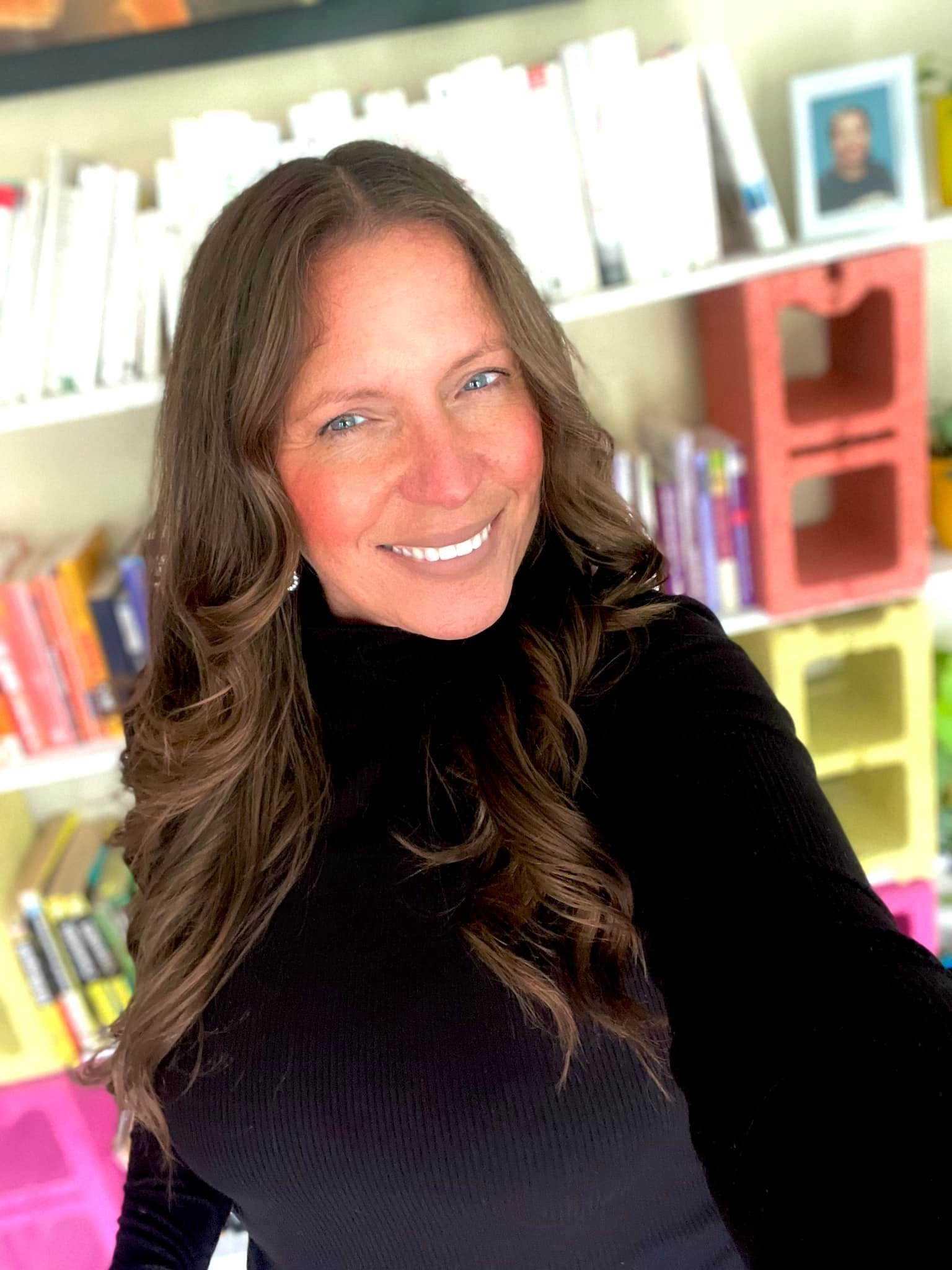

 iTunes –
  Google –
  Spotify –
  Amazon –
  – Buy Me A Coffee


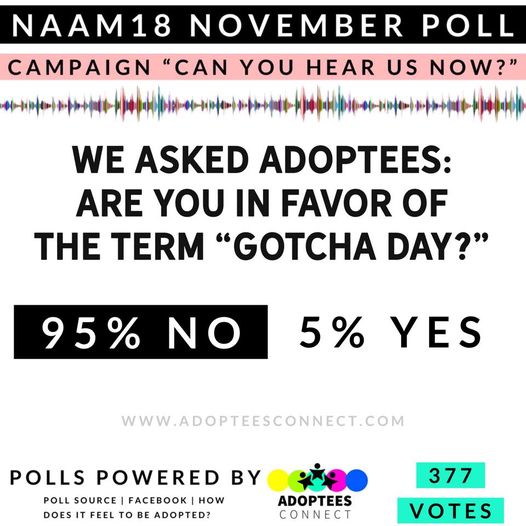








 Pamela A. Karanova