I know the title of this article is so much easier said than felt, but man, I have to share a few things about the experiences and wounds that many of us carry that I describe as very deep-rooted abandonment & rejection wounds. When we think of these wounds, we tend to believe that they began after we were born, but I suggest they could have started before birth due to the research I have done over the last 10 years. Just what we need, more cards stacked up against us. But knowledge is power, and it also promotes healing.
I have lived with this wound for 47 years in addition to my time in utero, so I understand how it can manifest in an adoptee’s life and how we can try to hide it and cover it up or act like it doesn’t exist. Sometimes many of us don’t understand this is even a thing. But no matter what we do, abandonment and rejection issues always seem to circle back around and rear their ugly heads.
I am not sure if you have thought about this or not, but many of us experienced our very first feelings of rejection while we were still in the womb of our birth mothers. I share this because I have researched prenatal bonding and prenatal psychology to try to understand my wound better.
We are all supposed to grow a strong bond with our biological mothers while still in the womb; however, that bond doesn’t always happen for adoptees. Research shows that biological mothers can and do bond with their babies while in utero, so it’s only safe to say that they can also disconnect and not connect with the baby during pregnancy. I learned we all have a critical process of development before birth, and it’s possible to be born with psychological issues due to a lack of bonding and connection with our biological mothers. This would only add to separation trauma, compacted by adoption trauma.
To help me understand the bond I should have had with my birth mother during conception, I read many books and articles that helped me understand how important this bond was because then I understood what I was missing if I didn’t have this bond with my biological mother. I also learned how this had impacted me throughout my life into adulthood.
However, many times when an adoptee is going to be relinquished for adoption, our biological mothers purposely try not to bond with the baby growing inside their bellies for nine months. Why? Without a strong mother bond to us, it’s said to be easier to relinquish when the time comes. With this, sometimes, our biological mothers can purposefully try to block any emotions or feelings that come with bonding to the baby they are carrying for nine months. As a result, we feel this rejection back to the beginning for many of us before we were ever born. Sometimes it takes us a lifetime to connect the dots and make sense of it all. And sometimes adoptees go to their grave, never really understanding that the abandonment and rejection we feel aren’t who we are; it’s something that happened to us. It’s sometimes next to impossible to weigh these dynamics out, let alone heal from them.
It’s impossible to heal a wound by denying it’s there, so I wanted to write about this wound many of us carry that is no fault of our own. While researching conception and how babies can and do tune into their mother’s emotions during these nine months, even if our biological mothers aren’t purposely trying to not bond with us, their feelings of us are felt by us and can be carried in our subconscious memories. It’s no wonder many of us don’t understand the complexities of this wound because no one is teaching us or telling us that it exists.
Once we know more, we can heal more.
For me, my desire to HEAL was SO GREAT. I wanted to research the entire scope of pregnancy and pre-birth for myself, so I could try to get a better idea of my beginnings and how it all went down with my birth mother. Some of these discoveries I have learned were hard to grasp, but they have helped me understand from a more profound level, which helps me understand myself better. In return, I am learning to have empathy and compassion for myself and my birth mother. Every little clue to my beginnings has helped me heal, and I hope my fellow adoptees explore this dynamic so they can try to understand themselves better.
“From a prenatal psychology perspective, the development in the womb and the birth process can have a huge impact on who we are as adults and the behaviors that we default to.”
This alone inspires me to learn as much as possible about my prenatal life and to learn all the information that I can about my birth story. As adoptees, we’re usually always considered blank slates; when we enter into the contractual agreement, we don’t sigh; we call this adoption.
While society and our adoptive parents at large spark our stories beginning with our adoptive parents, the adoptee community is circling around to let the world know that our stories didn’t start at adoption. They started long before then, and our stories before adoption matter, and they are essential to each of us.
While I began to fight the world for my truth, I learned many things about my biological mother that helped me understand her decision to relinquish me for adoption. So I wanted to step into her shoes to learn more about her life as a child, her life growing up and her life when she conceived me, the days up to my delivery, and her life after. I wrote about this before in an article titled “My Birth Mother’s Shoes.” In understanding her journey better, I understood my life better.
I learned I was conceived out of a one-night stand with a married man. He was a close friend of the family, ten years older than my biological mother. The pregnancy with me was hidden from him and everyone around. It was a secret, and no one was supposed to know at all costs. I can only imagine how my birth mother felt during that time. Maybe she didn’t feel at all because I learned she drank every day through the entire pregnancy with me. I genuinely believe she rejected the pregnancy while she was pregnant with me, and even when I could have bonded with her because I was connected to her, she was not bonded with me and even likely fought this connection off. By learning about her alcohol abuse, I am left to speculate. I learned she worked up until the day she had me and went back to work the very next day. She checked into the hospital under an alias.
I think she felt “bad” for being pregnant by a married man, and one of the feelings I have carried my whole life is the feeling of being BAD. Read, “She’s Bad.” The feelings of secrecy and shame likely consumed her, which makes it no secret I have had to work hard to remove the way she felt from my life because it has always felt like I was born with that shame, secrecy, and badness. I have felt sad and lonely for most of my life, and I believe this was also the feelings my birth mother felt during her pregnancy and the days leading up to my birth. In many ways, for many years, it defined who I am because that is all I have known. However, I am not those things, but that doesn’t mean I haven’t felt like them for most of my life. Learning to separate them has helped me tremendously.
David Chamberlain, Ph.D. states in his book, Babies Remember Birth:
“A bad birth can be like a thorn in the flesh, which keeps getting inflamed.”
We can all guarantee that any child relinquished for adoption can be equated with an inhumane and bad birth/experience. It’s one of the most significant traumas we will ever experience, yet society continues to turn a blind eye and act as if it doesn’t exist.
In Babies Remember Birth, if you skip to page 134, you will find chapter 10, titled PITFALLS. If you decide to read on, you will learn of many individuals who experienced separation trauma and what that felt like as they participated in hypnosis in therapy and tap into their preverbal consciousness.
One person even said, “It was like a funeral at birth.”
David Chamberlain, Ph.D. also states in his book, Babies Remember Birth:
“Things said during pregnancy can leave harmful imprints, “birthmarks” that are psychological rather than physical. But, even inside the womb, babies can learn to cope with unhappy parents.”
I am sharing these dynamics in this article because I hope all my fellow adoptees understand that the wounds of abandonment and rejection they carry are valid, legit, and so very real. They can and do go back to our preverbal and prenatal lives. For each of our individual lives, it helps by investigating further by asking more questions and not giving up or taking “no” for an answer.
The argument can be raised from the adoptee’s perspective that we need our truth to gain this reality of our beginnings, and they are correct. This is why I will always side with my fellow adoptees learning their truth because everyone deserves to know who they are and where they come from. I fought the moment I came out of the womb and likely while in the womb. I even wrote about it one time in an article titled “The Fight of My Life – Revised.” I have fought like so many of my fellow adoptees have to learn our truth when it seems like the whole world is up against us.
I was never giving up, but I almost died trying many times over.
One of the many discoveries I have learned is that although I feel abandoned and rejected by my birth mother, she didn’t know me to reject me. Instead, she rejected the unresolved wounds that she had never processed due to her alcohol dependency. She rejected her decision, the outcome of my adoptive parents divorcing when I was one, and that her decision didn’t create a better life for me, only a different one. I acknowledged her alcohol abuse was a focus of her life way before I was born. She had a hard life and a challenging childhood. I heard many stories, and every little clue helped me understand better and begin healing in return.
Separation trauma can impact adoptees significantly, and everyone reacts differently to trauma. However, one of the most significant dynamics for adoptees is that we often suffer in silence because our adoptive parents and the world celebrate adoption. In return, they celebrate our trauma. They leave no room for our sorrow or sadness. Our conception and preconception stories, and birth stories are a part of our history. Even when we’re considered blank slates, what happens during these times matters to adoptees.
While abandonment and rejection from our adoption experiences can and does impact each of us significantly, and sometimes the wounds last a lifetime, the more we learn about our [His]-Story and [Her]-Story, the more we learn about ourselves. So it’s essential to separate the differences between the things we have control over and the things we don’t. We had no control over what happened to us as babies, but we can fight like hell for our truth. I always try to remember I am not how abandonment and rejection from adoption has made me feel. I am not the pain and heartbreak. Yes, it’s been a part of my life and always will be, but we are all so much more than how adoption has made us feel. We have a purpose, and we all have many countless reasons that the universe brought us together.
Being adopted, it’s sometimes hard to feel like anyone cares about you. But I am here to share that you won’t feel others care about you until you put yourself first and learn to care about yourself FIRST. For me, that meant letting go of the feelings of being misunderstood. My fellow adoptees get me, and that’s good enough for me. But, unfortunately, other people can’t get me because they aren’t walking in my shoes.
So much of what adoptees experience and endure along our journeys aren’t our fault. The feelings of abandonment and rejection aren’t our faults either. I hope you know that you are so much more than how adoption makes you feel wherever you are in your healing journey. You are NOT how abandonment and rejection make you feel. Trauma doesn’t have a healing time frame, so be easy on yourself and allow yourself to feel the feelings when they surface. Then, allow yourself the space to seek healing and guidance by adoptee-competent trauma specialists.
It’s not your fault, and you didn’t deserve the pain adoption has caused you. You are not your abandonment and rejection. You are more valuable, and your story is of utmost importance, back to the very beginning.
Never stop fighting for your truth; you deserve it. Never stop researching and learning about the wounds we carry. Understand, most of society won’t acknowledge them, so it’s up to YOU to do the work. But, acknowledging these realities is the first step.
I hope this article helps one of my fellow adoptees out there.
For those who have made it this far, have you been able to gain any information on your biological mother to help form a conclusion of what your preverbal and prenatal lives might have been like?
Have you made the connection that the way she felt during pregnancy could very well be impacting you to this day?
Don’t forget this article along with all my other articles are available in audio for your convenience, just look up Pamela A. Karanova Podcast on Google Podcasts, iTunes , Spotify. and Amazon Music. Interested in treating me with a coffee, to add fuel to my fire? Click here. Many thanks in advance to my supporters!
Love, Love PK
*The views and opinions expressed in this article are that of the author, Pamela A. Karanova. Reproduction of the material contained in this publication may be made only with the written permission of Pamela A. Karanova
“Freedom’s just another word for nothin’ left to lose.” – Janis Joplin.
When an adoptee is adopted, we are immediately put in a position where we are expected to forget our former selves and carry on with life as if our pre-adoption life never existed.
When we grow up and start to develop internal feelings about this, these feelings often manifest outside ourselves in many different ways. Some of us use unhealthy coping mechanisms like using substances or alcohol. Some of us are perfectionists and overachievers. Some of us are workaholics. Some are addicted to food and spending money. Some of us are rage-filled and angry as hell. Some have healthy coping mechanisms like working out, exercising, hiking, running, bike riding, jogging, volunteering, writing, etc.
But it’s no secret that when we start to tap into our real feelings and begin to express them verbally, we are walking a thin line here, and we feel every bit of it. I could possibly describe it as modern-day blackmail.
Blackmail- “To cheat, deceive or defraud someone for personal gain. A fraudulent scheme or ruse.”
What does this even mean? Many of us have a lot to lose, and we live in fear and intimidation that if we upset our adoptive families, we could have terrifying outcomes. Many of us have similar feelings regarding our biological families, so we remain silent because the risk we take sharing our emotions is too consequential.
If our adoptive parents love us and take care of us when our biological parents didn’t want us, we must be thankful, grateful and we damn sure aren’t supposed to share any feelings that don’t line up with this narrative. It feels like blackmail, and it constantly hangs over our heads.
We give you love if you pretend everything is perfect.
Thoughts like, “If they knew how I feel, would they still love me?” or “If I share my feelings publicly, I will be disowned?” So much of the time, the adoptee can’t share their feelings, even if they want to. Our biological and adoptive families don’t have to say anything; we just know it! We feel it in our souls. Our compliance in keeping quiet is usually in exchange for being included in the family dynamics and receiving the love that’s conditional from the beginning. Trust me, the adopted children that grow up are the first to be left out of wills and shunned or excluded in the family dynamics. If we speak privately or publicly, we take the chance of losing it all!
So most of the time, adoptees might have online roles or share pieces of their story. Still, they often use pen names to write. I don’t see many adoptees sharing particular details about their birth parents and adoptive parents publicly because of these reasons. I’m not saying they don’t write about the adoptee experience; I’m saying they are sometimes afraid to share anything that doesn’t line up with the fairytale narrative.
I also see adoptees write or share about their adoption experience, and they feel as if they ALWAYS have to include, “My adoptive family was wonderful or I am thankful my parents chose me.” They don’t feel they can be real and raw without saying these things before, or after they say the truth that adoption has impacted them negatively.
As a result, I sometimes describe our experiences in a way that others can understand, and I call it the “Adoptee Whammy Effect.”
This is based on having four parents: one adoptive mom, one adoptive dad, one biological mother, and one biological father. In addition, of course, many of us have step-parents or parental roles, which would add layers to this example.
Let’s also not forget to recognize that some adoptees adopted internationally have not had the opportunity to find biological families, and some adoptees adopted domestically haven’t searched for various reasons.
This example assumes that the adopted person has two adoptive parents and two biological parents they have attempted to reunite with over their lifetimes. Let’s also accept and acknowledge that before every person is adopted, they experience separation trauma from being removed from their biological mother. This should never be viewed as a positive experience; it’s traumatic. I have learned from other adoptees that even when they have the “Assumed Picture Perfect Adoption Experience” and they have ZERO WHAMMYS, they still have separation trauma that haunts them, and it impacts them in every way throughout life. That alone is enough for an adoptee to feel completely wrecked by adoption. Adding the whammy’s to it, only magnifies the grief, loss, pain and, trauma. Research separation trauma and the primal wound and learn so you can see for yourself.
When I share “Ideal and Fulfilling” relationships with our parents, I mean the adoptee’s relationships with the specific parent (bio mom, bio dad, adoptive mom & adoptive dad) have been generally a loving and healthy one.
What’s Assumedin Adoption – Every adoptee has an ideal and fulfilling relationship with both adoptive parents. After searching for their biological family, both biological parents receive, love, and accept the adoptee. But, unfortunately, this is the fairytale narrative that most people believe happens in most adoptions.
What Really Happens to Multiply Our Grief, Loss, Separation Trauma & Adoption Trauma:
A Single Whammy – This is when we don’t have good experiences with one of the two adoptive parents OR one of two of the biological parents
A Double Whammy – We don’t have good experiences with two of our parents. It could be one adoptive parent and one biological parent, OR both adoptive parents OR both biological parents.
A Triple Whammy – We don’t have good experiences with three of our four parents. It could be one adoptive parent and both biological parents, OR both adoptive parents and one biological parent.
A Quadruple Whammy – We don’t have good experiences with all four of our parents, both adoptive parents and both biological parents.
I try to leave it up to the adoptees to describe what they consider a “Good Experience” when it comes to each of our individual maternal and paternal parents and each of our adoptive parents because no one else should define that for us.
In my case, I am hands down A Quadruple Whammy and some EXTRA ISH!
I am not going into all the grimy details on WHY I have a quadruple whammy, but I will share briefly that I was estranged from my adoptive mom before her passing and have no relationship with my adoptive dad. In addition, both biological parents rejected a relationship with me after meeting them each one time. Finally, I have an adoptive step-monster who essentially doesn’t exist in my life for various reasons I’m not going to make public.
As a result, I don’t feel connected to or a part of any family except the three adult kids I birthed myself. I have accepted this, and I’m at peace with it at this stage of my life, but that doesn’t mean I haven’t lost so much in the process. It still impacts me (and my kids) until this day, and grief and loss are something I will be processing for the rest of my life. This doesn’t mean I am not thankful for what I have, because I am. My kids are the reason I keep living.
What does it cost for me to share my story? I can’t list everything, but I will highlight the main areas that come to mind.
I have lost three shots at having a nurturing, loving, and caring mother. Three chances and I struck out all three times. I will never know what a loving relationship looks like from a mother other than seeing it in other people and their mothers. I have no mother to call, and I never really have. With this, I have never felt a mother’s unconditional love and support. There is no wound on earth quite like the mother wound. When you have it x3 as I do, it only magnifies it.
I have lost the chance to know and grow up with and have relationships with my biological siblings. This is unforgivable, and the pain will echo for a lifetime. I have a lost/missing sister somewhere out there, and I have a half biological sister who resents me because I was adopted, and she wasn’t. She, too, bought into the fairy tale narrative that adoption is rainbows and unicorns, and it’s always a better life. She relinquished her baby for adoption just like my birth mother did. Giving your baby away runs in the family! She thinks I should be grateful, and I am NOT. She knows nothing about the trauma I experienced in my life, nor has she tried to understand that I might have had a different life than her, but it damn sure hasn’t been a better one. Because of our differences on the issue, we have no relationship today.
I have lost a sense of self because I have had severe identity struggles from childhood to adulthood. Only until I fought like hell for my truth have I been able to come to a place of internal peace in the last five years. That’s a lot of time lost!
I have lost a normal childhood; while most kids are frolicking in the fields, I was obsessed with finding my birth mother. It never left my mind. Read “The Sky and I.” I was also consumed with being the caretaker for my sick adoptive mom. I was traumatized over and over again by her manic depressive episodes.
I can’t connect with celebrating or even embracing a culture. I didn’t find out my ethnicity until I was 40 years old, and now I don’t even know how to tap into something that has been null and void my whole life.
The dream I had of how much my birth parents “Loved Me So Much” was nothing more than a pacifier statement and a myth to stall my healing, and it stood in the way of me knowing the truth. No truth = no healing. The truth is, not all birth mothers love their children, and not all of them want to be found. My birth mother is one of them. Being told she loved me so much shattered me once I saw her, and she rejected a relationship. Please stop saying this to adoptees!
I have lost the ability to understand what love even is. Your mother is supposed to be your ride or die and the one who fights until the end of the earth for you. So when your mother “Loves you so much” she gives you away to strangers, it’s a significant mental mind fuck. I am still making sense of it, and I am not sure I will ever understand why I was told this in this way? Did they know this would forever manipulate my view of what love is? This “lesson” has caused catastrophic consequences in my lifetime.
I don’t know what it’s like to be a part of a real family, aside from my own three adult kids. Being adopted to me feels like I’m still an orphan because I never felt like I fit in with my adoptive family. I always knew I was the second choice. But, I am FOREVER grateful for MY FAMILY WITH MY KIDS. Without them, I would not be here.
I have taken on an impending sense of deep-rooted sadness that will be with me until I leave this earth, for the fact that me being adopted IMPACTS MY KIDS, in every way! The trauma from relinquishment and adoption is generational, and I see my kids experiencing some of the things I did because of my adoption story. I will always hate adoption because of this. I can handle how it makes ME feel, but because it impacts my innocent children in such a profound way, I will never be able to forgive adoption. It will also impact my future grandkids, and their kids. Fuck adoption.
I have lost the ability to trust because I learned early on from my adoptive mother that life and love are based on conditions. I have lived my life feeling like everyone wants something from me. Love is like a carrot, dangling over my head my whole life. The love will be snatched away if I say or do the wrong thing. Well, I’m an adult now, and I don’t want that conditional love anymore. I am learning to trust a few people, and I appreciate small circles.
It’s taken me 47 years on earth to feel complete within myself, finally. The hell I had to go through to get here has consumed every part of my life. Because of this, I feel like I missed out on many moments of my kids being younger and the ability to find beauty in everyday life because most of my 47 years have been spent recovering from separation trauma compacted by adoption trauma. I resent this, and this is one of the reasons I don’t want to waste any more time and I am very selective on what I use my time on.
I have lost every chance at having a father in my life. My biological father didn’t know of my existence, and he didn’t sign any adoption paperwork. However, once found, he still doesn’t want a relationship. My adoptive dad divorced my adoptive mom a year after adopting two daughters; (even when he knew she couldn’t care for us, he left anyway!); he moved over an hour away and remarried. He raised three stepsons as his own, and I honestly feel I don’t even know him. He’s always been far away, and he’s only visited Kentucky 3 times that I can remember, in over 30 years of me being here. On the other hand, I have been back to Iowa at least 20+ times. No father/daughter dance or date, ever. No one-on-one time, not even an hour. Ever.
Trust – I have lost the ability to trust the people who are supposed to love me the most. They kept my truth from me for their gain. They paid a cash price for me. They said whatever they had to say to soothe my deep-rooted desire to find my biological family. I don’t just give trust away; people have to earn it in time.
Missing Memories – I have lost all memories I should have made with my biological family’s maternal and paternal sides. This has been one of the most complex parts for me to fathom. I will never know any grandparents or aunts and uncles. I have met a few biological cousins, but we have no shared history. It’s hard building relationships from scratch. To much time is missing. The grief has knocked me down so many times over in my life. It’s consumed me so profoundly; some days and seasons in my life, I didn’t even want to go on with living. The sadness has been that great.
Judgment – When people learn of me, maybe in a professional setting or even in the dating world, I am always putting myself at risk for pre-judgment because people can read my whole life story on my website before they get to know me real life. This impacts me significantly in life, and I am still sharing my story with my fellow adoptees, but it doesn’t come without a considerable cost! It’s a HUGE PRICE TO PAY!
People assume I am stuck – When I am still writing about adoption, many people think I am stuck in the places I am writing about. However, the truth is that I am not stuck. I have been stuck in the past; however, I have moved on in my life, I have accepted adoption for what it is, I have healed and continue to heal. It has always been the most significant thing in my life that has hurt me the most. I am sharing my feelings with the world, specifically my fellow adoptees because people need to know they have been sold a lie when it comes to adoption. I share so my fellow adoptees know they aren’t alone and aren’t crazy about their feelings. I am also sharing because it helps me heal, and non-adopted individuals can learn from an adoptee’s lens. They are why I keep writing, but I have happiness and wholeness in my personal life, and I am no longer stuck. However, that doesn’t stop people from making assumptions. The great thing is, I could care less what people think.
I could go on and on, but you get the idea.
As you can see, I have nothing to lose by sharing my story – I have already lost everything. When any adoptee shares their story, even if it’s in small pieces or micro-doses, please understand that sometimes that might be the very first time they ever let these feelings come to light. Sometimes it takes us an entire lifetime for adoptee feelings to come out of our mouths. So please listen without judgment and understand that to share our stories, especially publicly, we have A LOT TO LOSE! Be kind, be compassionate, and most of all, have the willingness to understand that there is much more to adoption than what society has been sold.
In sharing my story and being a lifeline to my fellow adoptees, because I have nothing to lose, I can share from depths that many others can’t. When I share from these spaces, I heal a little more each and every time I release feelings that have been inside for 47 years. Because of these reasons, I keep sharing.
For my fellow adoptees, do you have the fairytale narrative that’s assumed by society?
Or do you fit into the Single, Double, Triple, or Quadruple Whammy Effect?
How has this impacted your short term and long term?
What has helped you heal?
Don’t forget this article along with all my other articles are available in audio for your convenience, just look up Pamela A. Karanova Podcast on Google Podcasts, iTunes , Spotify. and Amazon Music. Interested in treating me with a coffee, to add fuel to my fire? Click here. Many thanks in advance to my supporters!
Thank you for reading, Love Love
*The views and opinions expressed in this article are that of the author, Pamela A. Karanova. Reproduction of the material contained in this publication may be made only with the written permission of Pamela A. Karanova
Disclosure Statement: If you are someone who considers yourself a Christian, Jesus Follower, Church Goer, Religious Guru, Or if you believe your way of spirituality is the only way, I am asking you to save your comments, judgments, and opinions and share them on other platforms as there are many churches, online platforms and religious circles that would love to use the glory in your story to promote their church and religion. Please don’t come here to use your story to discredit mine. This page and article isn’t for you. We are all free to have our personal spiritual beliefs and journeys. My space’s boundary is not allowing others to use their personal stories to belittle mine.
Pieces of my childhood: bible stores, devotionals, prayers, using scripture to let me know I was going to hell from a very young age for dating outside my race. Being forced to sign covenants that I wouldn’t have sex before marriage or ever drink alcohol at 12 years old. Being cursed to hell for using the “lord’s name in vain.”I learned all gay people were going to hell. Being manipulated to believe like my adoptive mom, and scriptures being used as a way to control me starting at a very young age.
Back to the beginning, my whole life has been chosen for me, especially all the heartbreaking parts. The loss of my biological mother, the loss of my biological father. The loss of genetic connections and a sense of wholeness. I lost my medical history and learning what my ethnicity was. I was a secret up until the very moment of birth, swept away and forgotten about as if I never existed. But then, she walked away and went back to work the next day signing her rights over ever to see, hear or speak to me again as long as she lived. I never agreed to keep her secret.
But none of us get to pick our beginnings, right?
True, but most people’s beginnings don’t start with a traumatic experience on the first breath you take entering the world, and most people don’t start their first breath with their story being built on a bed of lies.
In adoption, others make this decision for you because they want you to have a “better life.” However, this one decision can and does impact an adoptee’s life forever.
If people knew the depths of separation trauma, would they still make this choice for another human being? If they knew that basing one’s life on pretending, secrecy, and lies would destroy me from the inside out, would they still pick this choice?
Probably. Because an infertile adoptive parent’s desire to have a child is more significant than their desire to give a flying fuck about the separation trauma that child will experience being separated from their biological mother and being forced to bond with strangers.
Either way, for me and my story, the damage is done. We don’t get do-overs or a rewind button.
So what’s the point?
The point is, I get to choose now. I get to write my story. I didn’t get to choose back at the beginning, but I get to decide now.
If you have read my articles, you would know I was adopted by a woman who suffered from severe mental illness issues. While I have empathy that she had a side to her that was kind and loving, I rarely felt it or saw it, but others did. Some of her mental health issues were possibly being treated, and some weren’t. My entire childhood was filled with her emotional and mental outbursts. I tried to articulate this experience in an article I wrote called “The Narcissistic Adoptive Mom.”
I do remember pills everywhere, all the time, but how would I know she’s addicted to prescription drugs? I remember her sleeping all the time when “normal” parents would be up. Getting up for school, setting the alarm, and getting myself ready every morning was a pretty regular routine. As a child, I had no idea that this behavior was abnormal or her outbursts were signs of mania and depression. I was a child. I had no fucking clue I was knee-deep in disfunction. This disfunction was all I knew.
As if my biological mother passing me over to strangers wasn’t enough, I never bonded with my adoptive mom, but that doesn’t mean I wasn’t forced to try. That was traumatic in its way, and I have yet to be able to describe how that’s made me feel. I started to be repulsed by her presence when I was a child. This only increased as I grew up.
Some of her emotional outbursts consisted of her threatening to overdose and commit suicide while running to her bedroom with all her pills in a shoebox, taking the phone, shutting us out, and locking her bedroom door, telling us she wanted to die. We would be left outside her bedroom door screaming, crying, hysterical because we thought she was going to die, sometimes for hours. This happened over and over again. She even had a manic episode and ran out of our 3rd store apartment and laid in the middle of the street while we watched, because she was going to kill herself in front of us.
Abuse comes in all forms.
I feel these episodes caused me C-PTSD as a child.
I remember always saying, “I’m sorry, Mommy, I’m sorry” my entire childhood. At some point, during one of her millions of episodes, I took the blame that it was all my fault and at every attempt, I tried to console her but the endless manic episodes seemed to be inconsolable. But I never stopped trying. Somehow, as a child in elementary school, I did something “bad” to drive her over the edge continuously. While doing inner child work a few years ago, I named my 5-year-old self, I’m sorry. After doing much healing and self-work, I understand that was a trauma response.
It’s no doubt that this woman who adopted me didn’t bring security into my life, but instead, she traumatized me; while she may have had some good and positive qualities, the trauma always comes to my mind when I think about her. I don’t have loving and caring memories of her. She might have loved me in her own way, but her real reason for adopting me is that she didn’t want to go to a nursing home, and she wanted a caretaker. I will be writing more about this soon.
How do I know this? Because she never stopped talking about not wanting to go to a nursing home, and she started priming me for this when I was in elementary school. While my entire childhood was filled with caring for her as a mini servant, other kids were out playing with friends, having sleepovers, and running free in nature. Not me, I had a chore chart a mile long, and I was groomed to rub her back and body giving her massages all the time, and to do many other disgusting things I do not want to share. I was responsible for cleaning my room and cleaning her room also. I ran her bathwater, bathed her, scrubbed her back, put lotion all over her body. I brushed her hair, put her makeup on her. Weird fucking shit, right? Again, I can’t share some because it’s too disgusting. I was adopted to fulfill her needs.
But, eventually, I grew up.
When I had my kids, this new level of fear took over me that she would get custody of my kids if something ever happened to me. This haunted me! Thinking about this sometimes took my breath away. Then, as my kids got older, I started noticing some things she started doing with my kids, as she did me as a child. This was when I decided to pack up a 22-foot Uhaul and move across the country to Kentucky, far, far away.
She visited Kentucky on occasion, and it was always catastrophic drama when she showed up. Even after setting some very firm essential boundaries with her, one time, she threatened to sleep in her car on the side of the road, so my kids felt bad for her. She would talk negatively about me, in my own home to my kids behind my back. I could go on forever at the drama she showed up with and the trouble she caused in my life. I started my alcohol-free journey on August 13, 2012, and she has always been the most significant trigger I have ever had. Putting my recovery and sobriety first, spending 30+ years tolerating her inappropriate behavior, finally, letting her know she’s never welcome to come to my home again. And she never came into my house after this.
I always felt like she had her claws in my kids, and her motive was to put a wedge between us so that they would feel sorry for her, and then they would be the ones next in line to take care of her. My intuitions were correct because when my oldest daughter, 27, turned 18, my adoptive mom asked her to be her Power of Attorney. I had previously refused, and our relationship was non-existent, so my kids were the next best thing. I have had nightmares off and on since having my kids that she would take them from me, and in the dream, I felt the horror of how a mother feels when their children are removed from their care. But then, I would wake up, feeling like this was always her plan.
However, I could always see right through her mind games and manipulation, and finally, I was able to set more firm boundaries and remove this toxic person from my life once and for all.
Her plan didn’t work; it backfired on her. But, after setting a no-contact boundary, I will never forget one of the last conversations we had.
She said, “You don’t have to talk to me here on earth, but you will be seeing me again in heaven one day!”
Did she threaten me with heaven?
It was like a punch in the gut. This is something I never thought about until she said it. I will never forget how this made me feel. I was sick at the thought of having to see this woman in heaven one day.
Would we be on excellent terms in heaven?
Would she be a normal mom in heaven?
Would I be pretending she didn’t traumatize me my whole life in heaven?
All these questions began to swim around in my brain. My conclusion is, if she was going to be in heaven, that’s damn sure a place I never want to go.
Hell to the no-no.
And, I didn’t sign any adoption paperwork.
While coming out of the fog about adoption for 10+ years, I have also been coming out of the fog about religion. While adoption is celebrated worldwide, so is Christianity and religion. My views don’t stop with this one experience. They go far beyond and are endless on why I can no longer support Christianity and the Bible. But I respect you do! It’s been just as difficult as coming out of the fog about adoption, and I’ve found it to be a lonely and isolating journey. To conclude, everything you had always been told in life was a lie can be difficult to step into, especially when you enter this space many times in a lifetime. But, the flip side is that today I am walking in freedom, and I wouldn’t have it any other way.
It has been exceptionally liberating to step into a space of making my mind up about what I believe and why I believe it without others cramming it down my throat. Also, the fact that the only way I will ever be forced to see my adoptive mom again in heaven is ONLY if I believe in the shenanigans, to begin with, which is refreshing.
Regardless of what I believe in or don’t believe in, hopefully, if you are someone that reads this, you can save space for others who believe nothing like you without trying to “prove them wrong” or “prove a point” on why your beliefs trump another’s beliefs.
I can say from a personal standpoint; I don’t care what you believe. I care what kind of person you are and how you treat people. I care about integrity, compassion, and empathy. I’ve seen people claim to believe in a higher power and be rotten to the core deep down and treat others like shit. I’m sure we’ve all seen different variations in our lives, but my goal is to learn from others and offer a judgment-free perspective if someone inquires about my input. At this point in my life, if I had to attach my beliefs to a label I would say my personal views align closest to Agnostic.
While I’ve been told I was going to hell from a very early age for dating outside of my race, the truth is – I didn’t even know what “race” I was until I was 40 fucking years old. Adoption prohibited me from knowing my ethnicity, so I never had a culture to celebrate, study or feel like I was a part of. Did it ever occur to anyone that the possibility exists that I dated “outside of my race” because I knew that person wasn’t a blood cousin or blood brother? It is more profound than just wanting to be rebellious and a rotten teenager. Now that I am out of the fog about religion, I can confidently say that if this is what the bible is about, you can miss me with it.
Many adoptees have this feeling of “badness” attached to them just for being born. I wrote an article to express my feelings about it one time called “She’s Bad.” Then you add that with my religious upbringing, being told I am going to hell, and constantly feeling “BAD” because I internalized this because of my adoptive mom’s mental illness and outbursts. It’s no wonder I started acting BAD my teen years and then got tossed in the school for the “BAD KIDS.” I didn’t do well in public school constantly because my childhood didn’t allow me the capabilities to be able to learn well with the life I was dealing with at home. Being in and out of detention, on probation, in group homes, a teen runaway (the list could go on), and you see why this feeling of badness has been so strong? Now, add religion to the mix. They convince you that you are born a sinner, and your flesh will steer you in the wrong direction every time if you listen to it, so you are conditioned to feel like you are BAD when you fail and follow your fleshly desires over God’s plan for your life. They teach you your flesh (intuition) can not be trusted, and in return, you can’t trust yourself.
Talk about a big bag of trash!
That’s putting it as politely as I can.
Do you not see the cards stacked against me as an adoptee and so many others? It’s taken me 47 years to see the light and to be able to call BULLSHIT on all of it. I tell myself daily; I am not bad; I wasn’t born bad, I wasn’t born a sinner, I am NOT going to heaven or hell because I don’t believe they exist. I want to organically be good and offer the world the genuine me because that’s who I am. Not because I’m trying to stay on God’s good side so I don’t go to hell. I’m so thankful the lights have come on so I can deconstruct in a more graceful and profound way. The only way I can genuinely save myself is to get REAL with myself. No more fucking pretending. That shit is for the birds.
Let me be completely transparent, I want to live my life NOW. I don’t want to wait to live until I’m dead. I want to spend time with those I love while I’m here, alive and well on earth. We live every day, we only die ONCE. I’m determined to make it count.
Have you ever known anyone to “threaten” another human being with seeing them in heaven? Have you ever had someone threaten that you were going to hell for your actions?
Dear Adoptive mom, I’m sorry, but you will not be seeing me in heaven, and even when you cursed me to go to hell, I won’t be showing up there either. Today I am finally able to look myself in the mirror and love who’s looking back at me without the profoundly ingrained feelings of badness adoption, you and your religion ingrained into me.
The thoughts of heaven and hell are traumatic for me, so on top of deconstructing Christianity, I am deconstructing from the notion that I will never be good enough, and heaven and hell will NOT be the deciding factors on what happens to me after I’m dead.
I’m good enough now, and I was good enough when I came out of the womb. The world’s conditioning and others’ beliefs made me feel otherwise, but I see the truth and the light today. I have joy in my heart that I’m following the path that seems real to me and not full of secrets, lies, and half-truths. Not to mention made-up stories, used against me to try to make me BE GOOD.
Don’t forget this article along with all my other articles are available in audio for your convenience, just look up Pamela A. Karanova Podcast on Google Podcasts, iTunes , Spotify. and Amazon Music. Interested in treating me with a coffee, to add fuel to my fire? Click here. Many thanks in advance to my supporters!
Thank you for reading, Love Love
*The views and opinions expressed in this article are that of the author, Pamela A. Karanova. Reproduction of the material contained in this publication may be made only with the written permission of Pamela A. Karanova
You have come to the right place if you are looking for the best adoption quotes from the adoptee’s perspective. This article shares 100 Heartfelt Adoptee Quotes that Honor’s the Truth of Adoption from the adult adoptee perspective. As we enter 2022, I decided to call my fellow adoptees to help collaborate and share quotes from the heart, reflecting the voices almost always overlooked in the adoption constellation. So, 100 of us came together to capture some of the feelings and experiences adoptees go through during their lifetimes.
While you read these quotes, we ask you to remain with an open heart and mind and enter the possibility that we all have a lot to learn from one another. We must recognize that adopted children grow up, reach adulthood, and consume the rollercoaster journey that adoption brings. We are mothers, fathers, sisters, cousins, doctors, nurses, teachers, public speakers, advocates, writers, authors, D.J’s, lawyers, homemakers, students, etc. As we grow up, we host lifelong experiences, and every experience holds value to our lives and stories.
By sharing 100 Adoptee Quotes with the world, we hope that a new level of awareness will arise that there is so much more to adoption than what society recognizes. Maybe perhaps love isn’t enough or a house full of stuff? Perhaps we should start talking about relinquishment trauma as soon as possible? Maybe adoption hurts more than we would ever know?
Again, we ask for open hearts and open minds.
Thank you to each adoptee who shared their heart here. While you read this article, you will receive validation that you are not alone. We’re in this together, and our voices are valuable and worthy.
We are stronger together.
100 Adoptee Quotes
1. “Adoption very well might have kept me alive, but it taught me to hate and despise my authentic self, until the age of 64 when I learned my truth.” – Mary Constance Mansfield
2. “Adoption changed who I was and made me who I didn’t want to be. Then, I was forced to change who I became in order to love who I am! Adoption Sucks!” – Ofir Alzate
3. “I used to think it was delightful to hear my birth story until one day; I realized that my story sounded quite different than that of my biologically born siblings. Mine had holes, missing pictures, and name stories and included zero features traced back to mom, dad, aunties, or grandparents. The story of adoptees, as told by those outside the triad, is never quite on the mark and often rings like a fairy tale. That’s why today I tell my own story using all the bits I’ve gathered along the way through writing and art in a way that is authentic, and in a way that says my story matters too.” – Lynne Rachell
4. “I miss my home, my culture, my country. I miss my mom.” – Margit
5. “Once I gathered my thoughts and suffered the pain from the betrayal and no family support after discovering late that I was adopted, things started to become clear. The healing process began, and I realized how lucky I was because all of the abuse and trauma came from a family I was nothing like. It all made sense to me, and I started to embrace my uniqueness, and I’m glad I wasn’t their blood after all.” – AnnMarie Serpe
6. “My adoptive parents didn’t know how to meet my needs. I never felt “enough.” Even though I was loved and raised in a better situation, I still grieved for the family I lost. One had nothing to do with the other.” – Andrea Burke
7. “I was never the true person I was supposed to be. I was born into being someone else’s fantasy. I never fit in and never belonged anywhere. My life adopted was a struggle to just be the real me. Even though it’s touch and go, until I met my biological family, I felt out of touch with me. At least now I have landed somewhere, right? – Ellen Ular-Olson
8. “Through all the emotional abuse, I never fit your puzzle in a family. I don’t belong. I can stay in a broken adoption cycle full of shame, pain, and blame, or I can rise and be the best I can be while removing the toxicity and pain; that is what my family brought me.” – S.M.
9. “Adoption may have given me a better lifestyle, but it destroyed my self-worth.” – Kate Kendall
10. “Society needs to stop using the term “adopted” when referencing to animals. It’s dismissive to humans who are adopted. Instead, use the term “rescue.” Unlike us, these animals are actually chosen, whereas we adoptees are merely the next available. Please stop equating our adopted experiences to those of shelter animals. – Cindy Olson McQuay
11. “My “adoption trauma” is the government denying me access to my own records.” – Marci Purcell
12. “Even if your adoption reunion goes well, adoptees often feel like they are on the outside looking in at their birth/first families.” – Daryn Watson
13. “My conception MADE ME; it didn’t make ME. I am not my conception.” – Jeannette Mantilla
14. “I was adopted. But I was not raised in adoption. I was raised in deception.” – Kris Rao
15. “As an adoptee, I am the bridge between two worlds, hanging on by my fingertips!” – Daryl Fuller
16. “Trauma hides who we are like a cloud blocking out the sun. It doesn’t diminish our radiant brilliance.” – Simon Benn
17. “For 50 years, I pretended to be “your” child. You always told me I could be anything I wanted to be when I grew up until I told you I wanted to be who I was “born” to be.” – Virginia Miller
18. “It’s clear to me I’m an unwanted intrusion into her healed existence. My letter was not welcomed and was rebuffed firmly with kind words. An iron fist in a velvet glove that has punched me so hard I can’t breathe for a while.” – Nick Mabey
19. “Being adopted is like being stuck in some sort of senseless protective custody from your truth and DNA: Forever hostage in the trap of a triangle that no one else sees. I’m surrounded by constant reminders of how much pain was felt by the two families I am caught between in order to exist in the life I have. How could I not feel that being born was the crime I am paying for?” – Kristen Steinhilber
20. “What I’ve learned from deconstructing my thoughts and feelings on my Adoption story is that the grief I hold for my family that I never had the chance to be – for the biological siblings I never go to know or meet – that the longing for my roots doesn’t undermine the family I was raised in. Humans have a great capacity for love. I can hold space for both my first and adoptive family. I can now finally do that without feeling guilty.” – Allison H.
21. “Part of the lived experience for intercountry adoptees in the USA is being told by all of society, as children, that we can never be the president of the United States. This is an aspect of intercountry adoption to the US that is seldom talked about but has weighed on my mind for as long as I can remember.” – Meggin Nam Holtz
22. “Finding my voice as an adoptee has been a lifelong pursuit & finally, I am at a place where I welcome connection with others who have gone down this road as well. Together we stand strong and invite others to join us on this journey of self-identity.” – Abby Jacobson
23. “Your Mother is the one person in this world who is supposed to love you, no matter what. Mine didn’t.” – Stephenie King
24. “And where is the adoption trauma you speak of? It is the expression of an infant’s rage at being torn from its Mother. This is experienced as a life and death moment by the infant/child. We are dealing with the normal and expected response to a premature infant/maternal separation. This pre-verbal trauma is stored within the body and, when recalled (not remembered), is experienced as an emotional flashback. This is the biological base upon which the child’s infancy and childhood is precariously placed.” – Michael Grenfell
25. “Voice of the Adoptee Child – Please, do not love me “as if” I was your own. Love me because it is inevitable to love a child. Take my hand and come to know my heart – my Mother and father’s share with me. They are part of my fabric. Do not try to rip them away, just because their pattern does not fit your décor.” – Copyright, Shirley MacKenzie
26. “Sending heaven-bound love to the mother who gave birth to me, loved me and was brave enough to let me go to a better life than she could provide; and to the mother who raised me as her own and who gave me a true mother’s love and guidance.” – Judi Euritt
27. “The hardest parts of being adopted: Society celebrating your adoption without acknowledging what you have lost!” – Maria Roach
28. “I was a foundling, discovered naked in a beer box, adopted shortly after. I was told to feel grateful and to live as if it never happened as if my story started in that box. The fact that I was there and yet can never remember how my life began haunts me as I carry that weight of pre-verbal trauma every day. I want to rip the flesh from my bones and dig down to see if the truth is buried there.” – Baby Lilac
29. “My adoptive parents want to pretend I wasn’t a baby taken; my biological parents want to pretend I wasn’t a baby given. Imagine your very existence being uncomfortable for everyone.” – Jennifer Harris
30. “I am one of the lucky ones. I speak to my first Mother on my birthday, the adoptee’s eternal day of dread. She sends me a card, thoughtful gifts, and we chat about life. Still, this “birth” day consumes me with unrelenting sadness that lingers in for weeks and takes hold of my very soul. It weakens my spirit and my bones. I suppose it always will.” – Susan London
31. “Being an adoptee is living in a world of unknowns while simultaneously trying to create a world you have control over.” – Jullian Drzewoszewski
32. “An adoptee experiences their first death, at birth, let the grieving begin.” – Robbin Lee
33. “Always on the outside looking through frosted windows.” – K. Henson
34. “I want the world to know that Adoption = a lifetime of fighting to learn my truth that I deserved from day one.” – Cynthia Dort
35. “Living with strangers, confused and detached. Not fitting their script, hearts felt split.” – J.Q.
36. “When I had my own child, it was the first time I saw myself. As she grew, I knew her. I realized I have been in survival mode since birth. And it is okay to be me so that she can be herself.” – K.B.
37. “I may have been “chosen” by one family (if you even subscribe to that “chosen adoptee” bullshit to begin with), but in order to be chosen by one family, I had to be rejected/abandoned by the family/lies that brought me into this world. Rejection is real. It hurts.” – Laureen Pittman
38. “Space is a difficult concept for Adoptees who are often clingy and want to solve any conflict right then and there. We are afraid that whoever needs space from us will never come back.” – Kirk Andrews
39. “It doesn’t matter to me” feels like “you don’t matter to me.” – K.B.
40. “Being an adoptee doesn’t solely define me. However, being an adoptee is a lifelong experience!” – Jane A.
41. “Adoption isn’t a better life. It’s a different life that started with loss and grief. Reunion is often seen as a Hallmark moment and thought to heal everything, but it only showed me all that I had lost. Being an adoptee is a life of overcoming obstacles that normally wouldn’t be there.” – Lorah Gerald @theadoptedchameleon
42. “Adoption has affected every aspect of my life.” – Tonya Jean Nunnally
43. “Perfectly in order with God’s plan. Blessed with the full spectrum of emotion. Particularly gratitude. To see how much He’s cared for me and blessed me in a myriad of ways.” – Christopher Thomas Wilson
44. “Ripped from our Mother’s womb. No bonding time. Who are we? We are the ones who create ourselves. Lost, but hopefully, found.” – Willetta Hill Calvin
45. “In any context other than adoption, the expectation of instant love, trust, attachment, loyalty, and gratitude to a complete stranger would be seen for what it is: evidence of a personality disorder. Society needs to stop pathologizing adoptees for reacting normally to narcissistic abuse and put the blame where it belongs: on the adults who expect traumatized children to adjust to their world being altered in every imaginable way, including a new identity forced on them by new caregivers.” – Jodi Moore
46. “As an adoptee, so many pieces of my identity were a mystery. I’ve spent so much time trying to figure out who I am and what my purpose is. Going through the reunification process shifted all of my identity work. Now I live my life balancing two deeply conflicting feelings: infinite gratitude for who I am as part of my Adoptive family and an infinite longing for who I would’ve been as a part of my Biological family.” – Ellie Rosen
47. “As an infant closed adoption adoptee, I have had not just an overwhelming sense of loss my whole life but fear and dread of it. For most of my life, I was pro-life. Partially because of being adopted. In just the past few years, I now wish I was aborted because of the lifelong pain in my soul that seems to get worse and not better. Many of us decide we no longer want to live with it and put an end to it ourselves.” – Tony Sanderell
48. “My parents always made me feel special, so I grew up proud to be adopted. I am still very proud. I just wanted to let my biological parents know that I had a wonderful life, and I was very loved. When I found my biological father, I told him he could not have hand-picked better parents to raise his son. He was very happy to hear my life was as wonderful as he hoped.” – Joseph M. Zinni Jr.
49. “Adoptees share the unique experience of carrying the rejection of relinquishment while also trying to balance the natural human need to be loved and known for who we are. Very little people and spaces can feel safe for us. I have done an immense amount of healing through the building of relationships with other adoptees who understand this experience innately.” – Laura Summers @lauraisalot
50. “I cried for her as if crying for God to be with me, to know someone who can never be known, someone who is known by their absolute absence.” – Kevin Barhydt
51. “I was robbed of the person I was supposed to be. I don’t fit in anywhere – Not with my adoptive family, not with my biological family. I’m like a puzzle piece that was cut apart to fit into a puzzle it didn’t belong to. You can put it in the new puzzle, but it doesn’t look right. It no longer works in the original puzzle because it’s been altered. It will fit in the space, but the picture will never look as intended. The damage was done. That’s what adoption has done to me.” – Jewel Kingsley
52. “Growing up as an adoptee, I was always jealous of my friends that could look in the mirror every day and know where their genetic makeup came from. For me, all I ever saw was a person that I didn’t really know where he came from or where he fits in.” – Robert Knotts
53. “Thru the eyes of an adoptee… We were born as ourselves. Then our identity was taken away, and tried to be made as someone else. We are neither; we are both, plus the person we have become. This is who we are.” – H. Carter
54. “Two moms are not easy to have. Both assumed I would be A-OK with the “adoption plan.” I guess in the end, they both lose out on my true self – which is tragically sad for all three of us. In order for me to be free, I had to grieve them both, even though they are both alive. It’s the toughest thing I ever had to do to be me.” – Jennifer Vroon
55. “Adoption made me a stranger to myself.” – Jessica R.
56. “Adoption robbed me of my living my heritage. I don’t fit in anywhere, and not one “immediate” really knows or cares how I feel, even if I try and express my hurt, pain, and loss.” – Julie Blanchard
57. “My whole life, I have mourned the loss of my original Mother. I don’t know anything different. Yet, I search for beauty and love in the present. Sometimes I find it.” – Paul Kimball
58. “I wish I was aborted all those years ago.” – Dawna Unsell
59. “Adopted people are some of the most incredible humans I’ve ever known. My hope is that adoptees, who have worked on healing and have the fortitude necessary, will start to tell their whole truth about adoption. Let’s not perpetuate the adoption tropes we see in popular culture and media. Let’s be the ones who say the truth: family separation is traumatic and lifelong.” – Haley Radke
60. “Adoption is the beginning of a never-ending search for oneself. We live in the land of loss. We are lost. Maybe forever?” – Sara G.
61. “I’m a stranger that everyone knows, but I don’t know how to explain my reality.” – Lawrence P.
63. “Adoption is a form of human trafficking. It’s critical to see it as part of the fastest-growing multi-billion dollar criminal industry in the world. Adoption trafficking has led to generational trauma, suicide, and murder of human lives. In order to bring about the necessary paradigm shift based on the need to save lives, we all have to take responsibility in understanding and accepting this truth. ” – Moses Farrow, LMFT
64. “I have found myself reflecting more about my adoption as an adult. I am grateful that I have had the chance to connect with my roots and learn about the life that I would have had in a very culturally different community. I love to learn more about my birth identity, but I also have such an appreciation for my life now.” – Yael Adler @fromgypsytojersey
65. “I am a cultural Frankenstein caught between two distinct cultures neither one wanted to take me in. I have learnt to accept that I am stuck in no man’s land, neither British nor East Asian, just me.’ – Lucy Chau Lai-Tuen
66. “The joy and tragedy coexist for me as a multi-ethnic adoptee. It is a complex existence to wake up and begin again every day at ground zero, not knowing where I come from because it’s being hidden from me, despite asking for years on repeat kindly and urgently, by the birth mother (her Mother and birth counselor) and the ones who chose to adopt me. Adoptees are not replacements for the voids within adoptive or birth parents, nor are we supposed to be the embodiment of the dream that our adopters pressure us to be. This high level of feigned ignorance mixed with an extreme level of master-manipulation of not only my reality but also my ancestry (past) and my human narrative, which informs my present/future is selfish and unbecoming of any human being looking to live truthfully and love in truth.” – Doux
67. “Adoption feels like a very long rocky road of sadness and rejection but can end up in a smooth and beautiful journey of self-love and acceptance with the right support.” – Michelle @babybebrave_
68. “We’ve heard it all for centuries in the adoption community, “Love is all you need!” I’m here to tell you that love isn’t enough or a house full of stuff. I needed my truth because there is no healing from secrecy, lies, and half-truths. And even after I have the truth, the trauma, grief, and loss will remain lifelong visitors. I feel robbed of what normal people have like I’m marked. Acceptance is key, and acknowledging adoption has stolen 47 years from me. I’m doing a life sentence for a crime I didn’t commit but I moved across the country and abandoned them all. No more tug-of-war split between many families, never really belonging to any .” – Pamela A. Karanova
69. “Starting an adoptee’s story with adoption is like picking up a book and jumping straight to chapter 4. You’ll figure out some things somewhat, but never fully like having those first three chapters.” – Lee McLamb
70. “My true identity will never be. It was thoughtlessly taken away from me. Leaving me longing for answers no one else understood to see. My life as an adoptee has been both complicated and lonely.” – Pamela Lovell Guerin
71. “Adoption is like having an aerial view of a stagnant labyrinth, you can see the twists and turns, but there is no flow from one section to the next. Following the path with constant and unforgiving dead ends, you are left alone and starving. This labyrinth becomes your home where you are forced to exist lost and forgotten, even by yourself.” – Maura Nicholson
72. “Adoption caused me to be stripped of my biological origins and live in an emotionally abusive, alternative reality. I felt like a mistake, with no right to be born. I needed to know how I got here, who and where I came from. It took 50 years to find my answers and enjoy living authentically me.” Barb R.
73. “Being adopted means searching for yourself in the faces and names of strangers and wishing everyone would just take a DNA test so you could get back to your tribe. It also means even after you search and find biological family, you will still probably feel like you don’t belong to anyone.” – Sophi Hamovitz-Richman Fletcher
74. “I came into the world alone; a discarded, relinquished, innocent baby. I had waited 9 long months to meet a woman who I would not actually meet until 32 years after my birth. It wasn’t until I met her face-to-face that I realized how deep this primal wound really is, and finally, I began to come out of the fog. The memory of being one with my Mother is frozen in the year 1981.” – Kimberly R. Weeks, LCSW, CADC I
75. “Now that I have my entire adoption file and original birth certificate, I am still left wondering who I really am. I have been listed as No Name K, Mother’s Name’s Baby, Baby Girl K, Sharon Louise K, and Wendy Kay J, all in the span of 6 weeks. It’s no wonder adoptees struggle with their identity.” – WKJ
76. “I am not a toaster, so why can I readily access more about my toaster than I can about my time as a sentient being?” – Anonymous Adoptee
77. “The best thing adoptive parents can do for their children is allowing them to be different. They will have physical differences, different talents and skills, and different weaknesses. Don’t attempt to mold them in your image, and celebrate the things that make them unique. Be careful not to allow their differences to make them feel ostracized.” – @amamelmarr / Reddit
78. “Please don’t ask why I’m adopted because it will end the conversation faster than saying I’m friends with Prince Andrew.” – @oranges_and_lemmings / Reddit
79. “RELINQUISHED; It’s not that you couldn’t hold on. It’s the fact that you let go.” – Anonymous Adoptee
80. “I think the biggest struggle is finding where I fit into my own world, not anyone else’s. I can be whoever anyone needs me to be, but when it comes to myself, I still feel like the child waiting for that one person I depended on to lead me to success, but my arm is left extended.” – Lexie
81. “I always knew I was adopted. My parents never sat me down and had a formal conversation with me. That wasn’t necessary because mine was an “open adoption.” I was in contact with my biological parents and siblings from the beginning. My parents felt it was important for me to be close to my oldest sister, and she spent nearly every weekend at our house and would even go on vacation with us. I loved spending time with her. It was very painful when she eventually moved away the summer after fifth grade. It had a really negative effect on me, and I felt lost and became withdrawn from my peers. Sometimes I wonder if it would have been less confusing and painful if I didn’t meet my biological family until I was an adult.” – Tia
82. “Embrace culture and change; never be ashamed of your roots. I was adopted at 1 year old from Vietnam and brought to the U.S. My adoptive parents never embraced my culture, and I was put into a predominantly white school until I was 18. I always felt ashamed for being Asian and looking different. It took me years to appreciate my ethnic background, but I am so glad my perspective has changed.” – @Rough-Philosopher-34 / Reddit
83. “All adoptees experience trauma and deserve someone taking the time to address that trauma and help them heal. Also, there is nothing like getting to know your heritage when you never knew where you came from. Finally, to adoptive parents – please let them get to know their biological brothers and sisters if that’s an option because it means so much to know your biological siblings and you find out you have so much in common; every adoptee should experience it if possible.” – Louis
84. “Just because I was raised in a good family doesn’t mean I don’t deserve and yearn to know my beginning story.” – Gina Durham
85. “I am a 60+-year-old woman where I just found out my birth mother lives in The Villages, Florida. The most Trump-centric place on earth. I had search angels guiding me through DNA, etc. All of them say I should contact them, as I have known I was adopted since I was 3. But although this is what I always wanted, I do not think at this stage of my life I want to get involved with a Trump person. Is it horrible that I don’t want to get involved? Btw, I found my bio dad. His family has been wonderful.” – Randi C.
86. “I see you, I hear you, I feel you, said no one.” – Rebecca Leqve
87. “Only adopted people know the experience of your loving ‘family’ and community expecting you to forget your Mother and father, ignore who you are and where you’re from. Requiring a state of voluntary permanent amnesia in which you’re criticized for wanting to recover.” – Kimberly S. Worden-Poledna
88. “Adoptees never experience unconditional love. They are taught that love must be earned again every day. They must demonstrate gratitude every day. It’s a horrible existence.” – Rebecca C.
89. “When I first admitted to being adopted, it started to feel normal to me for the first time. When I internalized that I have more than one root, I realized my strength. Now my adoption is a part of me that makes me who I am. If I hadn’t been adopted, I wouldn’t be who I am today.” – Gamze Bilir-Seyhan @birevlatedinilmehikayesi
90. “Relinquishment severed my soul and my spirit. Adoption and religion didn’t save me. It fractured me.” – Xiomara R.
91. “When I was on the inside, I was one with you. When I was born, you disappeared. Ever since then, I have been stuck in survival mode. And nothing, I mean nothing, numbs the pain. The purchased baby spends their lifetime paying the price.” – Veronica Collins
92. “My adoption story is the fuel that drives everything in my life. I am bigger than the box that holds my story. My voice will NOT be silenced, and if I can get up, I will show up.” – Ms. Ereka HowardMS Certified Life Coach
93. “Not applicable; adopted; do not know my history. Just words filled out for decades onto doctor forms. Now that I know. I am giddy with the knowledge that everyone else takes for granted.” – Meg Cullum
94. “Adoptees were born to do hard things, starting from birth.” – Zinta K.
95. “At that age, she did not know how to miss them, and now she does not know how to remember them.” – Lori Mier
96. “Purchased to heal a wound that was not my responsibility to heal. Identity: stolen, hidden and refused.” – Michelle M.
97. “Dear adoptive parents, our lives didn’t start with you.” – Cam Lee Small, MS, LPCC
98. “The way adoption has impacted my life is that every relationship, every situation is filtered through the prism of the trauma. I have found healing through connection with other adoptees, but it is about living with being adopted and knowing we are like an alien species in this world. We are the voices of the primally dispossessed, and we are beginning to be heard, but it is slowly, slowly, drip by drip. I believe that change will come based on the lived experience of the adoptees who share their stories.” – Julia Richardson
99. “I don’t want to be an island. I crave community, belonging, and reciprocal love – but fear that I’ll only ever be accessible by boat.” – Shantu
100. “Being pulled in every direction trying to keep everyone happy, which leads to self-neglect and poor mental health…and the never-ending cycle continues.” – Harley-Jade E.
If you’ve made it this far, thank you for taking the time to read quotes from 100 adoptees. Please share this article in your online communities. Our hope is that we raise a brighter light around adoptee voices and bring the truth to light, one story, quote, and click at a time.
If you are an adoptee, what quotes spoke to you the most? Could you relate to any of your fellow adoptee’s quotes?
Maybe you are an adoptee and missed the call to be included in this 100, we still want to hear from you! If you are an adoptee who has a quote to share, please drop them in the comment section below.
If you are not an adoptee, but you have been impacted by this article in some way, we would love to hear your thoughts as well.
Once again, a special thank you to all 100 adoptees who took the time to share your quote with me, and in return collaborated with one of the most important articles we can share. 100 of us coming TOGETHER to share our truth is a powerful initiative.
XOXO P.K.
Don’t forget this article along with all my other articles are available in audio for your convenience, just look up Pamela A. Karanova Podcast on Google Podcasts, iTunes , Spotify. and Amazon Music. Interested in treating me with a coffee, to add fuel to my fire? Click here. Many thanks in advance to my supporters!
I remember back to the earlier days of my life, particularly in my pre-teen years, and I was so angry about my birth mother never coming back to get me; I just wanted to die. I hated the world and, I hated everyone in it. And most of all, I hated myself. For me, this means my self-love was non-existent. Nothing could console me and I didn’t feel connected to anyone or anything.
I was a trainwreck.
During the beginning of my life, I developed the fantasy that she was coming back. I dreamed and fantasized of the day that she would change her mind and decide her love for me was so great, she decided to come back and get me. After all, I dreamed she wanted me back because who could actually give their baby away and genuinely mean it?
During my teen years and childhood, as many times as I saw therapists ( I saw a lot!), adoption was never addressed or discussed. Because of this, I didn’t start working on any adoptee-related problems or issues I was holding deep down until the later part of my 30’s which is when I consider the beginning of my process of coming out of the fog about adoption.
In the years that passed, adoption-related thoughts plagued my mind, but there was no help for me. I learned to keep things tucked inside, never sharing my thoughts with the world for fear. Fear of what? Fear of shattering my adoptive mother’s dream come true to be a mother. Fear of upsetting her or being abandoned once again. I never talked about it, but that doesn’t mean I wasn’t thinking about it. It honestly never left my mind. I was obsessed with finding HER, my biological mother.
Who would have ever known that my internal dialog with myself was one of ultimate torture? What adults in my life would have understood this dynamic played out as an adopted child? I wasn’t acting out until I was in my pre-teens.
But even then, once I started acting out, no one ever acknowledged that being adopted could play a role in my behaviors. Even running away, locked in drug and alcohol treatment, being in group homes, detention, breaking the law, fighting, stealing, unplanned pregnancy, and even a burglary at 15 – Not even my adoptive parents. So I am here to tell you that not one person in all the contact I had with adults, made the connection that “Wow, this girl is adopted. Maybe that brings some root issues for her we need to bring to the table?”
Once I reached my 30’s I lived many years as an everyday drinker, trying to raise three kids as a single mom, work, pay the bills, and not think about my adoptee reality. Alcohol was the escape, so was partying. I didn’t know how to process the pain from relinquishment, nor did I ever make the connection that my drinking was a symptom of a much bigger cause – ADOPTION TRAUMA AND RELINQUISHMENT TRAUMA.
Once I learned that I have always had every reason to act out and be angry, the fog began to lift. It’s taken over 10+ years working on myself. I have learned that my feelings were so EXTREME and SEVERE because not only was I keeping things tucked inside, but sharing my real feelings about my adoption experience was IMPOSSIBLE because I had never done it.
Not only had I not shared feelings, but I was emotionally abused and gaslit my entire life that adoption was a wonderful thing. I made my adoptive parent’s dreams come true to be parents. I was also told that my birth mother loved me so much; she wanted me to have a better life with a loving two-parent home that she couldn’t provide. Too bad my adoptive parents divorced a year later, and I was raised in an abusive home with a mentally ill and narcissistic adoptive mother I never bonded with!
From a very young age, I learned that I must put everyone’s feelings ahead of my own and that my feelings weren’t significant compared to everyone else’s. Of course, I internalized this, and it only magnified my feelings of grief, loss, anger, rage, and self-hate. I was also forced to pretend that my adoptive parents were my only parents. I knew they were not, but I had to go along with the fantasy because I didn’t know who my biological parents were or how to find them. I was forbidden that information, and it was kept a secret from me.
No Truth, No Healing
The reality that I have made it out of this complete nightmare is nothing short of a miracle. This is why I keep sharing my story because it’s a miracle I am alive to do it. The reason I am saying this is because my issues were so deep. I spent the majority of my youth wanting to die. I tried several times to take my own life (no one even noticed), and I would entice others in hopes that they would kill me. Sounds ludicrous, right? Well, it is, but that’s how dark my sorrow and sadness were. I just wanted out of my misery, and at that time, I was hopeless I would ever “feel alive.” So it’s easy for me to understand why so many adoptees choose to leave the world.
The world has failed adoptees.
When I hit 2010, I found my first adoptee online via the Twitter platform named Jessenia Arias. Jessenia is now Jessenia Arias Parmer, and her website is I Am Adopted. I will never forget this beautiful soul, who I consider one of the most amazing lights to adoptees and anyone in the adoption world. I love you, Jessenia! I remember like it was yesterday, reading her tweets and how so many of them resonated with me.
After spending 2010 and 2011 trying to heal from adoption and relinquishment trauma with alcohol in my everyday life, I finally decided that I could not heal while using substances. Instead, it made my problems worse because I wasn’t genuinely feeling my feelings, I was mixing alcohol with raw emotions, and it was indeed a recipe for disaster!
On my earthly birthday, August 13, 2012, I decided to throw in the towel on my drinking, and this was the last day I ever drank alcohol. Why? Because I desperately wanted to heal, and I wanted my kids to have a better mom than what I had. Even when I was in shambles on the inside, I wanted to get better for my kids. And eventually, for myself. Removing alcohol from my life, I had to get honest with myself. Then, all the feelings I had been running from my whole life showed up at my front door.
BIG ADOPTEE FEELINGS!
Frankly, adoptee feelings have been the biggest and most complex feelings I’ve ever had, even experiencing other traumatic events. Slowly, I started sharing my feelings online, but I was scared to my core that if anyone knew how I felt, something terrible would happen. So I began to write online under an alias, and I wasn’t strong enough to share my feelings from my true authentic self. This was when Adoptee in Recovery was born. It protected me.
I wrote many years under this alias, but one day into my healing journey, the lights flipped on, and I realized I was coming out of the fog, but I wasn’t being true to myself in the process. I wrote under an alias, making me feel phony and not legit. So I stepped into a new phase around 2015 of welcoming the real true me into my website and online adoptee world. This was a liberating experience, but it took years to get up enough courage and strength to get here. I finally didn’t feel invisible. I felt more real than I ever had. I was strong and ready to share my story with the world, from the real true me and not just a piece of me.
ALL OF ME.
No more hiding behind an alias, but it was lifesaving for a time in my life where I was operating out of paralyzing fear. Adoptees have a lot to lose when they share their real feelings. For me, it was worth the risk, especially knowing I could validate the sentiments of my fellow adoptees if I poured my heart and soul out into my articles.
We must recognize that every person who experiences separation trauma from their biological mother has trauma memories stored in their subconscious memory. This trauma can cause many issues that might not be brought to light. They come out later in life, and adoptees usually have to learn about this independently by experiencing triggers.
While many adoptees feel conditioned to be thankful from the beginning of life, we learn to internalize our thoughts and feelings about our adoption experiences. We go most of our childhood for some of us without ever letting the words from our emotions come out of our mouths. However, just because you don’t hear an adoptee sharing heartbreak or sadness doesn’t mean it’s not there. Most of the time, if they know the whole truth of their adoption, it’s there.
I will never forget the first time I started to share feelings about my birth mother. After 27 years of a love affair with alcohol (so I didn’t have to feel), I stopped drinking alcohol in 2012 at 38 years old and made my way to Celebrate Recovery. I was sitting in a circle of women, and I started sharing about my birth mother, and tears started to flow. I began to cry; my cry turned into a sob. The next thing I knew, I started whaling with my cry and tears, snot started slanging. Suddenly, I realized this was the very first time in my whole life I had shared about the loss of my birth mother. I was 38 years old at the time. 38!!!! Suddenly, an adoptive mom interrupted me, who was in the group. She said, “I’m sorry, but you don’t know adoption like I know adoption! I adopted two kids from foster care, and the experience those kids had gone through before we adopted them has been a nightmare!”
Of course, I was silenced. I shut down. I couldn’t even finish my sentence. How many adoptees who are reading have gotten this sort of treatment in your life?
I got up, and I left…
I walked out of Celebrate Recovery, and that was the moment that I knew if adoptees wanted to heal from a space like this, that is supposed to be safe to share, we would have to create our adoptee centric space because I knew we would be silenced if we didn’t! This was when I knew Adoptees Connect, Inc. was so needed!
So you see, the one time I get up enough courage to share my real feelings, I get silenced and shut down. So I left, and I was hopeless after this. To be transparent, if I were suicidal at this time, I would have taken my own life. I needed and wanted help so desperately, but there was no place I could even share my adoptee feelings freely without being silenced. By this time, I had given up therapy. I couldn’t bear to therapy another therapist.
News Flash: This is the treatment most adoptees get in life! We aren’t only silenced and shut down; we are emotionally and mentally abused and gaslit regularly. Yet, we choose to keep our feelings to ourselves for fear of more emotional abuse.
When I started to come out of the fog and share my truth, I feared that my adoptive family would read my feelings? What if my biological family reads my feelings? Will they all leave me too? Will they stop talking to me? Will they be mad at me?
Despite all these internal fears, I stepped out, and I started to share anyway. After a while, I learned to put myself first and not care what anyone thinks. Finally, after a lifetime of being silenced, being true to myself and sharing my truth loudly became a priority. Unfortunately, many adoptees never get to this point. Instead, they internalize things so long that they lose the battle at life.
They choose not to go on.
I want those reading that aren’t adopted to consider acknowledging and understanding that their role in an adopted person’s life could potentially be a role that sends an adoptee over the edge. What they say to us is a significant piece of our journey. Do you realize I will never forget the way this adoptive mom treated me and how she silenced me?
Let me share that this experience has been the launching pad for everything I have done for adoptees in creating adoptee-centric spaces all over the world? Unfortunately, not all adoptees will have this courage and strength because we are simply tired! We can’t take more gaslighting and abuse from the world that celebrates our trauma. (adoption) We are tired of being treated like second-class citizens to everyone else’s feelings.
If I ever have the opportunity to speak to an adoptive parent, I always share that the sooner the truth is revealed to the adoptee, the better. I would seek emotional support and therapy from an ADOPTEE competent therapist to know when to share the truth, specifically at age-appropriate times. If I had started to identify with grief, loss, and sadness early on, my healing would have started earlier. I might not have depended on alcohol to numb my pain for 27 years of my life.
The thing about adoptees being young and healing are that we need our adoptive parents, counselors, therapists, and adults in our lives to help us find the words to identify the feelings and also spark conversations that will help create a dialogue. As kids, we don’t know how to do this without help.
Before any adopted child begins to share feelings about being adopted, we need our adoptive parents to research and learn as much as possible and acknowledge and accept that adoption always begins with loss. And we need them to recognize that anytime a mother and a child is separated, a trauma occurs. Once they come to a place of acceptance that their adopted child could struggle with these things, then they can know how to hold space for difficult conversations to be sparked at age-appropriate times.
It’s taken me 10+ years to learn how to process my adoptee feelings in healthy ways, and I am 47 years old. My life is over half over if I’m lucky. Adoption has stolen so much from my fellow adoptees and me, but it doesn’t have to keep stealing so much.
Today, I take my time to respond to uncomfortable feelings, and I have learned that all my emotions are valid and legitimate. If no one has ever told you, so are yours! I sit with them when they come, and I am no longer numbing myself with substances, so I don’t have to feel. My tears have gone from being hard as a rock to flowing freely. Now, I have cried so much the last 10+ years as an attempt to feel and heal that my tears are finally starting to dry up.
This is what I call getting honest with myself, and sitting with my sorrow and sadness, and learning that it’s okay to feel these ways. I remember days when I couldn’t feel at all!
I have also accepted the pain is here to stay, which was one of the most prominent healing dynamics of my journey and life. I spent so much time trying to be completely healed in my past! But after running many rat races, I learned that it was all a hoax, and this pain is here to stay. I’m not saying I won’t heal because I am healing daily, but adoption’s painful parts will always revisit. I will never be completely whole, and that’s okay. I have accepted it, and it’s easier for me to believe this than run a rat race for 100 years TRYING TO BE FULLY HEALED. This reality in itself has helped me tremendously. They will revisit future generations and my children when they aren’t revisiting me. The key is not running from it but embracing it, sharing it, and feeling it.
Today, I am thankful for the ability to feel because I remember when I was a teenager, my heart, soul, and entire being felt so hallow, dark, and empty inside. Because of all the blood, sweat, and tears, I’ve put into my journey, not today.
Today I am full of life, and I have joy in the little things. I hope the same for my fellow adoptees.
Adoptees, What has the process been like to identify with your adoptee feelings? Have you struggled with this? Do you have any advice for your fellow adoptees or tips and tricks you recommend when it comes to processing and feeling adoptee feelings? Have your adoptee feelings been the biggest feelings you’ve ever had? How has your healing journey been? What helped you the most?
Don’t forget this article along with all my other articles are available in audio for your convenience, just look up Pamela A. Karanova Podcast on Google Podcasts, iTunes , Spotify. and Amazon Music. Interested in treating me with a coffee, to add fuel to my fire? Click here. Many thanks in advance to my supporters!
Thank you for reading,
Love, Love
*The views and opinions expressed in this article are that of the author, Pamela A. Karanova. Reproduction of the material contained in this publication may be made only with the written permission of Pamela A. Karanova
“Well, Joan is a close friend of mine from church, and she adopted two daughters from overseas in the 1980s, and they don’t seem to have any of the issues you are speaking about. On the contrary, they seem pretty thankful and happy that they are adopted.”
I can’t even express how many times I’ve heard this in my life from people who likely mean well. But, unfortunately, it’s usually when I share something that is not in alignment with the popular narrative of how adoption is viewed, and/or I share some of the heartache and pain many adoptees (including myself) experience in their journey.
Before every adoption takes place, the separation from one’s biological mother is a traumatic experience, and it goes unrecognized most of the time. But, unfortunately, this is sometimes the most significant trauma of the adopted person’s life, and it can and does impact us for our entire lifetimes. So, how can an adoptee heal when our trauma is celebrated worldwide?
Once adopted, those layers only add to the layer of trauma from maternal separation from our biological mothers. I feel confident in sharing that I genuinely think most people have no idea about the impacts of maternal separation and how the complexities can echo in the adopted individual’s life for years to come. It not only impacts the adoptee’s life for years to come, but it impacts future generations as well. But once you know the truth, you can’t unknow the truth. Of course, you can choose to ignore it, but that has long-term consequences for the adopted individuals in your life.
When someone knows of a “well-rounded” adoptee, they feel the need to speak up and share that they know ONE adoptee who doesn’t have any issues with being adopted. I look at this type of comment as a silencer statement. In other words, when someone says this to an adoptee or about an adoptee, they know I feel their knowledge sharing is meant to trump whatever painful piece to the adoptee experience I am sharing.
I will be candid. I can’t speak for all adoptees, but I can say that by building relationships with hundreds, if not thousands of adoptees worldwide for 10+ years, I have yet to meet an adopted adult who has ZERO issues with being adopted. They are why I keep writing and why I keep sharing, it’s for them.
Most of the time, when I communicate with adoptees, they share that they have never let their adoptive parents or family know how they truly feel because the risk is too consequential. However, we also have to consider that if the adopted person is a child or someone who’s not “out of the fog,” the information shared on their behalf isn’t necessarily accurate. Children can’t tap into sharing feelings about separation trauma, and they don’t know how to articulate feelings they are having that are so complex. They need the adults in their life to help them, but that is an impossible feat as long as all the adults in their life are convinced “Little Johnny and Jane are fine, just fine with being adopted.”
Adults in contact with the adopted child are responsible for researching separation trauma and coming to a space of acceptance that it exists. This is the ONLY way the adopted child will express feelings of grief, loss, and sadness. I have said for many years that every adoptive parent should become a specialist in how to help children process grief, and I recommend the grief recovery method. Why? Because the sooner we start to process the grief from all of the loss of our biological connections and history, the sooner we begin to heal. The only way this will happen is if every adoptive parent chooses to step out of denial that maybe “Johnny and Jane aren’t fine, just fine.” I completely recognize how difficult this might be as a parent; however, if you want to save your adopted child’s life, you will start to learn more about helping them grieve before it’s too late. Trust me when I tell you, I know so many adoptees who have spent their lives just wanting to DIE because they don’t have a way to process the pain; the world won’t listen. They think dying would be easier than living with the neverending doom of sadness that separation trauma, compacted by adoption trauma, brings.
One of the first things I recommend is that all parties do extensive research on how important the bond is between a biological mother and her child. Then, read, read and read more. Look up attachment disruption and learn as much as you can. This has helped me understand what I lost and what has always been missing from my life.
Without this knowledge, I would have never known. One of the books that helped me understand how impactful the bond between a mother and a baby is Babies Remember Birth by David Chamberlain.
Searching the internet, you can find many articles about attachment disruption and the consequences that follow that have lifelong implications. For example, read The Primal Wound by Nancy Verrier.
But, let me also share, you cannot guarantee that a child will attach and bond with the adoptive mother. I know hundreds of adoptees who have never bonded with their adoptive mothers, and the mother wound x2 causes immeasurable damage to the adopted person and lasts a lifetime.
We must recognize that the separation trauma exists, whether the adopted person “seems like they are fine, just fine” or not. Unfortunately, one of the most horrendous things that the adoption agencies and adoption officials have done is normalize maternal separation as if the trauma of this life-altering event doesn’t even exist. Not only are they ignoring it exists, but they aren’t providing the adoptive parents with resources on how to navigate the waters. It’s honestly offensive and monstrous because these agencies and adoption officials are often familiar with these dynamics. Still, they choose to turn a blind eye because they profit from separating mothers and babies.
For all those who continue to share the narrative that “My Friend Has an Adopted Child, and They Don’t Have Any Issues With Being Adopted,” I ask you to please get to know more adult adoptees.(not adopted children)
Please attempt to sit down with them and listen to their stories. Consider that your friend’s adopted child likely wouldn’t tell their adoptive parents how they feel. Ponder that a child can’t usually find the complex language that aligns with the multi-faceted layers of the adoptee experience. Think about the very nature of them being adopted and how it is celebrated worldwide. How could they tap into real feelings when they have been conditioned to be grateful they were adopted?
And how many adoptees do you know that seem to have no issues with it? One or two, you say? Well, I suggest you try to hear the stories from anywhere from five to ten adoptees, and then let’s see if you have the same opinions. As I already shared, I’ve gotten to know adoptees personally all over the world, and not one of them has said they are “fine, just fine” with being adopted.
It’s not even as much about the one adoptee who’s “fine just fine” with being adopted as society at large does not know how to acknowledge and accept the fact that they have been sold an award-winning LIE when it comes to adoption. That’s where people get uncomfortable.
Well, let me make a declaration for 2022 and share that we’re tired of hearing you say, “your friend adopted a child, and they are fine, just fine.” It minimizes the real adoptee experience, and let’s be completely honest. You have no idea what that adoptee feels, so please stop saying these things to adoptees you meet in life. It’s harmful, and it’s hurtful. If you insist on speaking for adoptees, at least consider putting in the work and sitting down and having a real heart to heart and hearing the absolute truth from an adult adoptee and not just one or two. Talk to many. Learn to be comfortable with difficult conversations. Then and maybe then will you have a truthful opinion that might be valid to share?
Thank you for reading.
Don’t forget this article along with all my other articles are available in audio for your convenience, just look up Pamela A. Karanova Podcast on Google Podcasts, iTunes , Spotify. and Amazon Music. Interested in treating me with a coffee, to add fuel to my fire? Click here. Many thanks in advance to my supporters!
*The views and opinions expressed in this article are that of the author, Pamela A. Karanova. Reproduction of the material contained in this publication may be made only with the written permission of Pamela A. Karanova
It’s not enough that many times the information that is relayed over to the adoptee/relinquishee is shadowy at best. Still, often we are presented with information based on inaccurate data that is usually restricted and modified to stall the adoptee/relinqishee or throw them off entirely from ever learning who they are and where they come from.
One of the many challenging lessons I’ve learned over the last 10+ years of coming out of the fog regarding my adoption journey is that no matter what we find or how we find it, we should ALWAYS back our stories and conclusions up by doing DNA testing, preferably Ancestry DNA. Ancestry has the most extensive database with nearly 20 million people.
Here’s why I make this suggestion.
People lie when it comes to adoption and relinquishment stories. While we learn from childhood that lying is never okay and even receive punishment as a child for such activities, our society accepts this rule in adoption and relinquishment; our culture makes an exception to this rule. Sometimes I believe that people believe their lies, and sometimes we don’t want to accept them. We feel a shadowed conclusion that doesn’t sit well with our internal dialogue.
Let me give you an example of this. I was told back in 1998 from an individual in my birth mother’s family that my birth father was dead and that he had gotten shot. I sat with that for a minute, and it never sat well with my spirit. But, my intuition is on point, so I said to the world. “If he’s dead, let me confirm he’s my father via DNA testing FIRST, and let me stand of that man’s grave and see his death certificate so I can see it for myself.” Unfortunately, I know countless adoptees who have been sold a lie.
I was never able to receive either of them, and in 2010 I decided to drive 11+ hours from Kentucky to Leon, Iowa, and I showed up at his doorstep and introduced myself. That man wasn’t dead, and he was very much alive. So they lied to me, and chances are if you are adopted, you have been lied to also. I learned from a close family friend that I was conceived out of a one-night stand with a married man. He knew nothing of the pregnancy, and he never consented that I was given up for adoption.
Sometimes as adoptees, we want something to be confirmed with every fiber in our being, so we ignore the signs or subtle hints that a find might not be true, accurate, or correct. Instead, we jump in head over heels, going by what we were told or what we hope to be true. I hope this article puts a pause in play for anyone that reads it. Please tread carefully and always, always, get DNA testing done BEFORE you build relationships with someone you suspect might be your biological family.
Adoptees/relinquishes are vulnerable individuals. When searching, we often open our hearts and lives as wide as they can go to receive whatever it is we have been fantasizing about our entire lives. We assume the best yet frequently are left feeling misled, robbed, or even taken advantage of. Sometimes this can feel like the biggest disappointment of our lives.
Growing up, our life is filled with fantasies about what we will find. Where is the mother that “loved us so much?” But often, we’re faced with the complete opposite, a cold, disconnected woman that shows no signs towards us that feel like anything close to “love.”
People say, “Expect the worst and hope for the best.” Yet, I am here to tell you there is no natural way to prepare for such conflicting and unimaginable feelings and emotions that come with our discoveries, no matter what they turn out like. It’s like opening a pandora’s box, and what we find can be shattering combined with fulfilling. It’s complex at best, but not learning the solid truth can be devastating beyond repair, so DNA testing is exceedingly essential.
My life story backs this conclusion up because, in 2010, I learned I had a half-sibling out there in the world. After a year of searching, I finally found him. We compared notes, and he ended up being the absolute best part of my reunion story. We spent time together from states away, planned visits and trips together. We accepted one another and our children and spent five years building a relationship. I always said he was the pot of gold at the end of the rainbow, and he was and is to this day the only happy and positive part of my whole adoption experience and story.
Until January 2016, everything was flipped upside down. We ended up doing DNA testing to send the results that my brother and I were connected via DNA to my birth father. He has always expressed a deep-rooted feeling of disbelief that either of us was his biological adult children. To be completely transparent, I haven’t blamed him. He didn’t know anything about me, and he said he had reason to doubt my newfound brother was his biological son. This was why I wanted to complete DNA testing with my brother, so we could present the truth in hopes that it might change something with my biological father because initially, he rejected us, not knowing if we were his or not.
While I had taken the position to clear up this bed of lies that my life was rooted in, I had no idea what the DNA test would soon reveal. In January 2017, the DNA test returned and said WE SHARED NO DNA. I will never forget how this made me feel. I was sick and so distraught that I honestly didn’t believe it. The first person I reached out to was the amazing and gracious Priscilla Stone-Sharp, and I asked her if she could double-check this for me. She concluded that my newfound brother and I shared no DNA. However, we could pinpoint that my birth father was my birth father. His mother’s maiden name is all over in my highest DNA matches. However, my new brother is the one that showed NO DNA with my birth father, which means his biological mother gave him the incorrect information on who his biological father was.
Now that I had opened that whole can of worms, I had to reveal this to my brother, which was one of the hardest things I ever had to do. But, unfortunately, he flat out didn’t believe the DNA results and ended up tragically passing away a few months later in a motorcycle crash. This experience sent me into a profound depression and sadness I could not process at all. I was living alcohol-free, but I could not feel these feelings, and I had no idea the level of grief and sadness that would soon take over my life.
It was such a complex situation that no one could help me, and I couldn’t even find the right words to use to describe this situation. I kept referring to my brother as “My brother who turned out not to be my brother” because I didn’t know how to describe it. I couldn’t believe that one ONLY GOOD PART OF MY STORY wasn’t genuine, I was duped once again, and the devastation left me in horrible shape. I couldn’t stand the thought of therapying another therapist, and this is when I put my vision of Adoptees Connect, Inc. into action, which saved my life.
It’s taken me all these years to begin to recover, and I still have a lot of sadness about it. I wanted to share this dynamic because I want non-adoptees to see what adopted people have to go through when we are searching for our truth. All these hoops and hurdles can and do exhaust us, they destroy us, and they can and do take us down. It’s inhumane that the adults in our lives signed us up to go through this. Literally, every adult who took part in signing any adoption documents signed over that they would be okay letting me suffer and damn near die in my pain from all the secrecy, lies, and deception from adoption and the adults that co-signed for this traumatic event to happen to me.
Today, I have annulled my adoption in my mind, body, and spirit, and I sometimes remind myself that I didn’t’ sign any adoption paperwork. Yet, I have survived this nightmare, moved across the country, changed my name, and started my life over.
For my fellow adoptees who might have made it this far, I beg you to please get DNA testing before you build relationships or get too excited about a possible discovery you believe is a biological family member. The pain of the alternative I have shared here is something I do not want anyone to go through because it’s unbearable when we already feel so alone; we get our hopes up and put ourselves out there. Ancestry DNA has sales around major holidays, and the DNA kits are $59.00.
Not getting DNA testing FIRST can add a new level of trauma that you do not deserve. Please learn from my experience. Trust me; you do not want to risk it.
For those who might be wondering, this changed nothing with my birth father. I sent him confirmation I am his daughter, and he tossed it in the trash, and went on his merry way.
Don’t forget this article along with all my other articles are available in audio for your convenience, just look up Pamela A. Karanova Podcast on Google Podcasts, iTunes , Spotify. and Amazon Music. Interested in treating me with a coffee, to add fuel to my fire? Click here. Many thanks in advance to my supporters!
Thanks for reading,
Love, Love
*The views and opinions expressed in this article are that of the author, Pamela A. Karanova. Reproduction of the material contained in this publication may be made only with the written permission of Pamela A. Karanova
Today is January 1, 2022. I never thought the day would get here where I could finally say that I could apply to receive my original birth certificate from the Iowa Department of Public Health. But unfortunately, most non-adopted people don’t know that most adopted individuals from the USA (and other countries) don’t have their Original Birth Certificates, so I am here to explain things a bit.
While I am eternally grateful for the opportunity and all the hard work in getting this law changed, for some reason, I thought I would be able to do this online, so when I went online to do it this morning, I was a bit disappointed that I had to download forms, fill them out, get them notarized by a notary and mail them off with a $15.00 money order. Uggh. I hate to complain, but after waiting 47 years, I hoped it would be an online and much quicker process but it is the way it is and I can’t change it. The documents need notarized so I get it.
Nonetheless, I am still satisfied that I will have this completed by Monday, 1/3/22, and my request will be in a sealed envelope on its way to IDPH!
Some people who aren’t adopted might not understand what something like this means for an adoptee like myself. Of course, I can’t speak for everyone, but this is one of the most important events of my life. I know most of my fellow adoptees get it, but for others, I figured I might share a little about why this is such a milestone event and what it means to me to get my original birth certificate. I’ve been fighting the good fight for 47 years!
Back to 5 years old, I have been dreaming about the woman who gave me life. Who was she, what did she look like, did I know her, where could I find her? Was she looking for me? Questions plagued my mind every day of my life. So I started searching for her everywhere I went, all the way back to the beginning of knowing she existed.
When someone is adopted, their original birth certificate is sealed away by the state, and a new “Certificate of Live Birth” is issued to the adoptive parents with the biological parent’s information redacted. Then, it’s replaced with the adoptive parent’s information. This is to protect the identity of the birth parents and to eliminate the adoptee from ever finding out who they are. Unfortunately, this is one of the areas where the deception in adoption begins, and it only gets deeper and deeper as the years pass. This is one of the many reasons I can’t support the adoption industry. I can’t support secrecy, lies, and half-truths.
Can you imagine not knowing who your mother and father are?
I know you can’t because it’s unimaginable.
It’s torture.
It’s inhumane.
It isn’t kind.
It’s vile.
It’s awful and cruel.
I was a persistent adoptee. I didn’t care who I hurt trying to find my truth because none of them cared how much relinquishment trauma, adoption trauma and secrets hurt me. I tell people on a scale of 1 to 10, and 1 being an adoptee with minor issues and 10 being an adoptee with many problems, I was at about 10,000 and off the charts with my adoptee issues. There has never been anything positive about adoption in my world. I can’t even think of ANYTHING positive that came out of it for me. Nothing. I have tried to think of things, but it has always bothered me to my core.
I didn’t bond with my adoptive mom, and being forced to bond with her was a traumatic experience for me. I was unfortunately stuck with her for legal reasons. So, as a result, I acted out in many ways, and I hated my life, I hated the world, and I have wanted to die more than I have wanted to stay alive. Why? Because the pain from my story has been so great that it almost killed me many times over.
From the #simplepieceofpaper initiative in 2012
The simple piece of paper has held the keys to my healing, and because I haven’t had it for 47 years, my healing has stalled because of it. I am one of the fortunate adoptees who pushed and pushed my way around because I was not taking “NO” for an answer when it came to finding my biological family. They told me no, I pushed harder. I was stalled, lied to, gaslit, and experienced so much emotional abuse because I wanted to know who my fucking parents were. It was and is abusive, and so many adoptees experience this abuse just because we want our information and sometimes we experience just because we are alive!
I finally found both my biological parents, only to be rejected by both of them ten years apart. This broke my heart, and I was once convinced that was what would kill me. I was going to die of a broken heart.
The birth certificate for me is a seal of the deal. It’s the last missing puzzle piece to my story, and although I was one of the fortunate ones to find my biological people, I still want the first piece that I will ever have to my story. I don’t have a birth story. I don’t have happy memories or things from the first days of my life. But I have my original birth certificate. It’s a piece of me, and it’s a part of my story. The government has said I can’t have it for 47 years.
Some of the things that I am asking myself about my OBC are, I wonder if my birth mother named me? I wonder if it will have my birth father’s name on it? I wonder if it will have my time of birth and confirm my birth date? I wonder if I will get any other information, like health history or additional value notes? I wonder if I will even get it? What if I’m the exception and they don’t have it or can’t find it? What if they send it to me and it’s blank?
These are my obsessive thoughts, which I suspect many adoptees think about relating to the unknown. When someone doesn’t have the truth, we’re left to wonder, dream, fantasize, and even obsess about thoughts of who our biological family is and where they are. As if that isn’t punishment enough, many of us suffer from wondering if we are dating one of our very own siblings or cousins!
Adoption is INHUMANE.
I have had three significant milestones in my life, and that’s the birth of the three amazing humans I brought into the world. The next is the ability to gain access to my original birth certificate! The idea that the government can keep this from me, and it’s something that belongs to me, is revolting.
It’s damaging, and it hurts.
I had the honor of being invited to Des Moines, Iowa, in May 2021 to be present for Governor Kim Reynold’s bill signing that enacts a law for many adult adoptees to gain access to their original birth certificates. I was over the moon and so thrilled that I could attend. Here’s an article I wrote about it. My Sentiments on Iowa Bill HF855. When I showed up in Iowa, I decided to wear yellow as a sign of remembrance for all the adoptees who passed away before ever receiving their truth.
From the bottom of my heart, I can honestly say that gaining access to my original birth certificate is something I would never be alive to see. I have fantasized about this my entire life. I can’t help but ponder all the people who passed away before receiving their original birth certificates. I also think of all the people who will just be finding their biological family but find out their biological parents have passed away. The reality is, no adopted person should be withheld from knowing who their biological parent is, ever. And to be completely frank, no one adopted or not should have to live without knowing who their biological parent/s are. It really can and does do an unmeasurable amount of damage, and it can and does last a lifetime. It also reverberates through future generations.
While I’m learning after I mail this request off, I will then have to wait 6-8 weeks before I receive my OBC in the mail. Let me share something with you about the mail. When I found my birth mother in 1995, she promised to write me and send me pictures. I was so excited to see what she looked like and her handwriting. I was dying to know her thoughts or if she had any sentiments to share. You know, something sweet for the daughter she gave away 21 years earlier. I checked the mail every day; I met the mailman at the box most days because I watched for him. Days passed, followed by weeks and months. She lied; she didn’t keep the agreement. I was crushed, and still to this day, every day I walk to the mailbox, I think of her, and all those days I waited, and I never got anything.
I think waiting on my OBC might be triggering because of this, and because as an adopted person, I have spent my whole life WAITING on her to come back or to change her mind about me. So I am not sure how I will handle the next 6-8 weeks, but I will do it the only way I know-how. Relish in plenty of self-care, and stay busy. Idol time isn’t my friend.
I’ve decided I will likely get together with my kids, and they can be with me as I open it. I might invite two close friends. I am sure I will be an emotional basket case, but I am ready to get this chapter behind me. No matter what I get back in the mail or how this turns out, this will likely be the last chapter of my search, the final clue I collect, and the last piece to my puzzle. Of course, I can never say never, but these are my thoughts now.
Interestingly, my OBC is something I’m gaining access to at 47 years old, and it’s a significant tangible piece to my truth and the beginning of my life. However, if I’m lucky, my life is likely half over, and I’m just now getting this simple piece of paper. Just wow.
I hope in 2022, more people who aren’t adopted get on board for advocating for equal access for every single adult adopted person to be able to gain access to what’s rightfully theirs, and that’s their original birth certificate. Every state needs to change these laws, and every adopted person deserves to know who they are and where they came from.
Don’t forget this article along with all my other articles are available in audio for your convenience, just look up Pamela A. Karanova Podcast on Google Podcasts, iTunes , Spotify. and Amazon Music. Interested in treating me with a coffee, to add fuel to my fire? Click here. Many thanks in advance to my supporters!
*The views and opinions expressed in this article are that of the author, Pamela A. Karanova. Reproduction of the material contained in this publication may be made only with the written permission of Pamela A. Karanova
I will do my best to share from a place of grace because a lot is on the line here, but I also refuse to sugarcoat things to make them comfortable for anyone who reads this article. Hopefully, I can reach a middle ground that relays the message yet shares what is at stake in an upfront way.
The lives of adopted individuals are in a crisis, and there is no time to wait in sharing this truth or to ponder on those who might take this article as a slap in the face or offensive.
First things first, this article is for anyone who knows and loves an adopted individual and for those who can step into their shoes to try to gain a level of understanding that adoption might not be all you have known it to be.
Do you have the emotional and mental capacity to do that?
Are you open-minded and can see that other perspectives are entirely possible?
If the answer is “YES,” Please continue.
If you can’t do that, don’t bother reading any further.
Your time will be wasted.
This information is for those who want to learn and those who can see beyond their own level of experience, knowledge, and understanding.
My entire life, I’ve been silenced, shut down, and ridiculed by non-adopted individuals, and I’ve had enough. I’ve had enough of seeing my fellow adoptees treated this way, and I can’t help but wonder if people understand the depts of their words and actions? Do they know their responses to us sharing feelings could be a life or death response from the adoptee?
Adoptees are DYING!
I can’t help but give some of these people the benefit of the doubt that it’s not just adopted people they treat this way, but all people because they never learned the actual value of acknowledging someone’s feelings, sitting with others in their sadness, and also having empathy for others and trying to understand their viewpoints. I have learned the hard way, this is a gift, and not everyone has it.
I have recently seen an adoptee share a meme (see below) on a social media post, and a long-time friend & family member decided to post a comment on the meme. This is what they said, “I don’t get it. Would you have rather grown up in an orphanage or foster care?” This reminds me of all the times we get, “Would you rather have been aborted?” or the infamous “You should be thankful you were adopted!”
I couldn’t help but jump in and go to the defense of this young lady, who is a fellow adoptee, because his comment struck a chord with me. Even when the meme said, “Adoptees are 4x more likely to attempt suicide – Listen before its too late,” and he still didn’t have the common sense that it was OBVIOUS that the adoptee shared this for very valid and legit reasons. Gaslighting her into feeling bad about sharing it was an awful thing to do. Talk about insensitive and offensive to the adoptee experience, yet how many adoptees experience this daily?
If we emerge from the fog and start sharing our feelings, we are always in fear someone will jump on us or tell us we’re ungrateful, and it can and does cause us to shrink back from sharing our truth.
My point in sharing here is that you have no idea what it feels like to be an adoptee if you aren’t adopted. You don’t have a clue about the complexities that we carry around with us daily. You have two choices. To listen and try to learn from us OR you can turn the other way and ignore us like we’re the ungrateful adoptees the world says we are. BUT YOU WILL NOT continue to gaslight us and minimize our pain and suffering when it takes us our whole lives to get to a space where we feel confident enough to share our feelings.
I know so many adoptees who have been on the edge of taking their own lives at various times in their lives. I am one of those adoptees. But, unfortunately, one friend or a family member can say something that literally can and will and has sent an adoptee over the edge of taking their own life, and there is no coming back. It happens all the time!
It blows me away that even when this meme says what it says, this individual had to insert his ignorant and self-serving comment without ever asking the adoptee, “Hey, I’m wondering if you can help me understand this better? I would love to learn from you!”
I wrote an article back in 2014 – Just Listen, That is All. But if you want to do the world a favor, try to LEARN something new while you listen to adoptees share their experiences. It truly is a humbling thing when we come to a place in life where we acknowledge and accept that we don’t know everything and we can learn a lot of things from other people.
If you have made it this far and are a friend or family member of an adopted person, thank you for reading. I would like to invite you not to comment when an adoptee shares feelings unless it’s coming from a place of support and understanding. What would you do if your comment was the breaking point for that person, and it was the last straw for them to feel once again invalidated, unheard and unacknowledged? You would have to live with that for the rest of your life, and there is no bringing that adoptee back.
Like the meme says, LISTEN BEFORE ITS TOO LATE!
How hard is it?
TOO HARD FOR SOME PEOPLE!
National Adoption Awareness Month is coming up, and so is Adoptee Remembrance Day – October 30th, and a lot of adoptees will be sharing feelings, thoughts, and emotions during these times. I invite everyone reading to try to understand the WHYS better when adoptees share how they are feeling.
It costs nothing to be a kind and empathetic human being.
I am thankful you are here for the adoptees who have made it this far because I want to invite you to cut these insensitive and harmful people out of your life. You do not need anyone in your life who tries to shut you down, silence you, and minimize your legitimate feelings. I encourage you to block, ban and delete anyone who can’t create space for you to share your story and emotions. Those are not your people, and it might be hard but do it anyway. You deserve to have people in your life who are understanding and empathetic for you and all that you carry. Allowing harmful people in your life will not serve you well in the long run.
Family or not, they have to go.
Put yourself first, and set firm boundaries.
Don’t forget this article along with all my other articles are available in audio for your convenience, just look up Pamela A. Karanova Podcast on Google Podcasts, iTunes , Spotify. and Amazon Music. Interested in treating me with a coffee, to add fuel to my fire? Click here. Many thanks in advance to my supporters!
Love, Love.
*The views and opinions expressed in this article are that of the author, Pamela A. Karanova. Reproduction of the material contained in this publication may be made only with the written permission of Pamela A. Karanova
I spent 47 years of my life in and out of therapist’s offices back to five years old. I remember each time I was seeing a new therapist, the concept and idea of adoption was never brought to light or to the surface. EVER.
As I emerged out of the fog in my 30’s I was still seeking therapy and direction on how to process my adoptee reality and was always left with absolutely nothing. Once I learned the deeper dynamics of relinquishment trauma compacted by adoption trauma, things became even more real.
Even in my 40’s, seeking out therapy once again, I found myself therapying the therapist and exhausted in that process. While it’s been evident my entire life that there is a noticeable gap between not just mental health professionals but all professionals when it comes to the multilayered complexities of the adoptee experience and understanding that experience. It’s difficult, if not impossible, to help someone navigate their journey if you don’t understand the complexities.
As I’ve spent a significant amount of time contemplating and trying to understand where things have gone wrong, and why have adoptees been failed so miserably? How are adoptees 4x more likely to attempt suicide, and our prisons, jails, mental health facilities, and treatment facilities are over-populated with adopted people. Yet, this reality isn’t a shocking testimonial that something in adoption is gravely wrong. Instead, adoptees are dying at the expense of this failed experiment called adoption.
Knowing this gap is present, I have found that seeking help from professionals was a continuous letdown, so I stopped seeking understanding or healing from them. I had given up hope which is a bad thing. Thankfully, even though they couldn’t help me, I had enough strength to help ME when the world failed me. So I decided the next best thing was to create Adoptees Connect, Inc., or I likely wouldn’t be here writing this article.
The fantastic news I have to share today and my reason for writing this article is to share an exciting new resource with my followers. I was contacted by my friend and fellow adoptee, Lynelle Long, the founding director of ICAV – InterCountry Adoptee Voices. Lynelle shared with me that she has created a new adoptee-led educational video resource for professionals designed to assist doctors, teachers, and mental health professionals to better understand the adoptee experience for intercountry adoptees. This project took many months, and a wide range of individuals helped pull it off. Click the link below to learn more.
Lynelle Long, Founding Director – ICAV InterCountry Adoptee Voices
This project from Lynelle and ICAV is a fantastic step in the right direction at bridging the gap with the communities that are designed to help adoptees but have been lacking the resources to understand the complexities of the adoptee experience themselves. In all my years of being in adoption and adoptee circles, this is the first I have seen that tackle such essential topics in this way, from the adoptee’s perspective.
When I received Lynelle’s email, I was overjoyed for the adoptee community, and I can’t lie. I got a little teary-eyed about it. So many lost adoptees, so many locked up adoptees, so many adoptees who feel so misunderstood and invalidated. So many adoptees deported, and hurting. Finally, the resources we have needed all along are coming to life because of Lynelle and organizations like ICAV. It is a massive milestone in the adoptee community, and I couldn’t wait to share it with my followers.
I want to share a special message of gratitude to Lynelle for being such an extraordinary force in the adoption community and for pouring her life out to create such valuable resources that have otherwise been unavailable. Another special thank you to everyone involved in this project. You all are changing the narrative and shifting a community that has needed this resource for far too long. From the bottom of my heart, THANK YOU.
To learn more about ICAV and all the other resources Lynelle’s organization provides, please take a little time on the ICAV – Intercountry Adoptee Voices website.
Please be sure to share these valuable and life saving resources in your communities, you might be saving an adoptees life. Together we are changing the narration of adoption.
Much Love,
*The views and opinions expressed in this article are that of the author, Pamela A. Karanova. Reproduction of the material contained in this publication may be made only with the written permission of Pamela A. Karanova
*Disclosure Statement: I do NOT claim to speak for all adoptees in this article, nor do I claim ALL adoptive parents are abusive or fit the narrative of the topics brought to light in this article. CHILL #apfragility
And for the record, Jesus, his love, our adoptive parents love or a house full of stuff isn’t enough.
I keep seeing individuals use Jesus as a reason to invalidate the reality and truth of the adoptee experience.
This has to stop.
Adoptees are DYING.
PLEASE STOP!
Listen to Adoptees before it’s too late.
First things first, if we’re transparent, adoption is messy AF. Everything about it. It’s complicating, emotional, taxing, and exhausting. There is no one size fits all, and all stories are unique in their own way.
I’ve not only navigated my adoptee journey and spent most of my life in agony over it, but I’ve listened to the stories of hundreds of my fellow adoptees. We all have in common that we experience painful pieces of our journeys that can impact many areas of our lives, if not every area.
“So what’s the big deal? Everyone deals with pain in life!”
The big deal is that we live in a world that promotes and celebrates adoption (just like religion) but do they realize they promote relinquishment trauma on every child separated from their biological mother? While they pray for another person’s child, they ignore entirely that every adoption is rooted in loss and trauma FIRST.
They are praying for TRAUMA TO HAPPEN!
If you have ever prayed for a child to adopt, YOU ARE GUILTY!
Thousands of adoptees have walked before me and navigated these muddy and messy waters of trying to navigate a life that’s rooted in relinquishment trauma. Thousands of adoptees are walking behind me that haven’t yet made the connection, and some are slowly emerging out of the adoptee fog, figuring out just how damaging relinquishment trauma is on every person separated from their biological mothers at the beginning of life.
For some of us, we don’t make this connection until later in life. We become all too familiar with waking up every day trying to make sense of it all, trying to heal, and finding happiness when our very beginnings were severed from the woman who should love and want us the most, our biological mothers.
Society has this conditioned belief that adoption can be an excellent and painless alternative to many scenarios in life. For example, maybe someone can’t have children of their own, or they want to save unwanted children, so they sign an adoption registry and start the process to adopt a child. Whatever the reason is, we need to get to the root of the problems, and there are many!
If adoption agencies would genuinely care for the child’s best interest, they wouldn’t be in the business of separating them from their biological mothers. Whether some women choose to parent or not, if we have more adoption agencies, we have more accessibility to provide services for a mother to pass her baby over to strangers. Just like the more adoptive parents who want to adopt, keep these businesses in the business.
Unfortunately, these agencies are FOR-PROFIT. Of course, that’s why an adoption costs so much, yet we fail to realize that adoption today is rooted in legalized human trafficking. If you haven’t figured this out by now, I encourage you to do some soul searching and researching. The adoption industry is selling babies and making a living off of doing it. When a price tag is being put on a human being’s head for any cost, it’s human trafficking. It shouldn’t matter that adoption is legalized, it doesn’t mean its right.
When many adopted children are adopted, they are legally assigned a new identity, and their history is essentially erased. However, even when our beginnings are painful or abusive, we are still connected to our past via DNA and our history. We all have a history, even when the system of adoption is set up to destroy, erase and abolish its existence. Even when it’s painful, we deserve to know our truth and all of it.
Why are so many secrets kept in adoption?
When someone signs up to adopt a child, they sign up to co-sign for secrecy, lies, and half-truths regarding the adoptive child. Do you know what secrecy, lies, and half-truths do to a human being?
They destroy them and stall their healing.
When biological mothers refuse to share the truth about the conception, birth, and biological father of the adoptee, they add many levels of shame and secrecy the adoptee later has to uncover. It’s AGONIZING to not know who you are or where you come from!
Why should adoptees have to experience deception at every turn?
We deserve more than that.
HONESTY
TRUTH
TRANSPARENCY
It’s no secret that we can’t heal from half-truths because we don’t know what we are healing from. So if you ever wondered why your adopted child or adopted adult in your life is angry, sad, depressed, addicted to substances or struggling, I would like to look no further. Relinquishment trauma compacted by adoption trauma is the culprit. I’m not saying other things might exacerbate these issues. However, the ROOT cause is abandonment, rejection, relinquishment trauma, and adoption trauma.
For those unfamiliar with the statistics, adoptees are 4x more likely to attempt suicide, and we’re overrepresented in jails, prisons, treatment, and mental health facilities. Why? Because adoption is rooted in secrecy and lies, anything embedded in secrecy and lies is bound to have significant repercussions. It’s also rooted in relinquishment trauma.
If you support adoption, you are a co-signer.
Why should we have to spend our whole lives trying to fix what adoption has broken?
Why should we have to fight the world for our truth?
Why should we have to experience relinquishment trauma, to begin with?
Why is our history, ethnicity, siblings, DNA connections, medical history, original birth certificates, and biological connections and relationships be kept from us?
Why does the world rob us from acknowledging our grief, loss, and trauma?
Why have our adoptive parents co-signed for this pain?
Why did our biological mothers give us away?
Why should we have to look at doctors our whole lives and say, “I don’t know my medical history; I’m adopted?”
Were they genuinely ignorant? Or did they choose to ignore these realities for the sake of their wants and needs?
ADOPTEES DESERVE MORE!
It’s no secret that there have never been resources for adoptees until recently. We didn’t sign any paperwork, yet we are sentenced to life for a crime we didn’t commit.
For most of us, learning our TRUTH is the beginning KEY to accept that truth, acknowledge it, and make a choice to move towards healing.
NO TRUTH = NO HEALING
If our truth is kept secret from us, it will always have ways of impacting our lives and circling back around. It will keep surfacing. We often depend on substances to take our pain away because it’s so great we can’t process the feelings or address the trauma.
Don’t read this and think for a minute that open adoption is any better. The secrecy part is usually not there; however, did you ever wonder what it’s like to be traumatized over and over again by being removed from your biological mother over and over again? You see her one day, and then you are ripped from her arms the next? How can anyone inflict this type of pain on a child they supposedly love? Open adoptions aren’t legally binding, and many times adoptive parents have no problems closing the adoptions. DOOR SLAM IN YOUR FACE, and there is nothing you can do about it. NOTHING!
Adoptees are met with adoptive parents who believe that Jesus, Love, and a nice home are enough to stand in the gap for what the adoptee has lost. This is manipulative and gaslighting behavior. Let me be completely honest; you are fooling yourself if you think that any amount of love can replace the woman that gave us life! Jesus has never healed my adoptee wounds, and even if I believed he was real ( I did at one point in my life), I can and will never think he’s in the business of separating mothers and babies! If you believe this, you are delusional! That sick and twisted mentality is one of the many reasons I am no longer a believer.
A fancy house, a two-parent home, and all the material belongings in the world will never replace the loss an adoptee experiences. Adoptive parents get divorced, abuse their adoptive kids every day. Adoptees are sexually abused in their adoptive homes all the time. Many times adoptive kids are used as pawns to fill a void in the lives of their adoptive parents. Many of us are adopted solely to take care of our adoptive parents in their old age and even replace the relationship with a biological child that went south. Yet, time and time again, we’re expected to meet the expectations of our adopters, and no matter how hard we try, we always fall short.
We are not their DNA, and we will never be. Yet, we notice being treated differently. We know when we are treated like the adopted child and adult in the family. We know when we don’t fit in or belong. Trust me; we feel it every day of our lives. As adoptees how it feels to be left out of the will, just because you are the adopted one in the family. Ask adoptees what it feels like to sit at the funeral of a biological mother or father, yet not be listed in the obituary as if they don’t even exist.
ADOPTEES DESERVE FAR MORE THAN WHAT THEY GET
The moral of the story is, get on the right side of wrong.
LISTEN TO ADOPTEES BEFORE IT’S TOO LATE.
Understand that many of us aren’t grateful at all for all of this pain and trauma being inflicted on us at no fault of our own, nor should we be expected to be. Understand that many of us would have rather been aborted, and if you are withholding the truth from an adoptee, you need to share the truth NOW. Even when the truth hurts, we want it because it’s ours! If you see your adopted child or the child you adopted who is now an adult hurting, help them process pain, grief and loss. Try HARDER to understand your adoptees’ pain, and never diminish it or tell them they should be grateful or get over it and move on. NEVER use Jesus as a tool that intercedes in them processing pain. Research spiritual bypassing and don’t do it! Understand there is no time frame on grief and processing all that is lost and research and become great at helping an adoptee process grief and loss. Know that there is NOTHING you can do to fix us or take our pain away, and we would like to ask you politely to please stop trying.
The world might feel like we have a replacement family for our biological mothers and families, but we haven’t. That’s a fantasy, and the sooner everyone realizes this, the better. No one can sweep our DNA under the rug, but they keep trying. I can promise you that the truth always comes out, especially now more than ever, with the increasing ability to do DNA testing.
There is no amount of money, fancy car, house or vacations that can make up for what was lost because of adoption. Nothing on this earth can replace the memories and relationships lost. NOTHING.
For my fellow adoptees, never give up hope in finding your truth. If anyone has told you your biological parents are deceased, DO NOT BELIEVE IT. I repeat, DO NOT BELIEVE IT unless you are standing over their grave AFTER you have done DNA testing to confirm you share DNA with them. I can’t tell you how many times I have learned that adoptees are told their biological parents are deceased, only for them to be very much alive. I am one of these adoptees who was told my birth father was deceased, and I refused to believe it and later found out he was very much alive!
Please know you didn’t deserve the cards you were dealt. You deserved far more! You are strong, and even in the dark moments, realize you aren’t alone. You are a survivor, surviving daily. Know that you don’t owe anyone anything outside of yourself. I challenge you to take back what was taken from you because you are the only person who can do it. Look deep within yourself, and you will find precisely what you need.
Don’t forget this article along with all my other articles are available in audio for your convenience, just look up Pamela A. Karanova Podcast on Google Podcasts, iTunes , Spotify. and Amazon Music. Interested in treating me with a coffee, to add fuel to my fire? Click here. Many thanks in advance to my supporters!
Love, Love
*The views and opinions expressed in this article are that of the author, Pamela A. Karanova. Reproduction of the material contained in this publication may be made only with the written permission of Pamela A. Karanova
The topic of identity can be a lifelong paradox and struggle for many adoptees. It’s much easier for adopted individuals to tap into their true identity when they have the truth to guide them along the way. However, for many of us, we experience secrecy, lies, and half-truths as soon as we’re born and passed over to strangers. It’s challenging for some and impossible for others to gain a true sense of identity when we have no idea who we are or where we come from. No one looks like us, and we don’t see anyone’s face looking back at us when we look in the mirror. We all experience different variations of complexities when it comes to identity.
It’s widespread for adopted individuals to have many names and identities in person and on the internet in the adoptee community. In the 11 years I’ve been present in this community, I’ve had my own experiences with my legal name, changing my legal name, and having several different identities on the internet in those 11 years.
There are many layers as to why.
It can be confusing to many and downright annoying and concerning to others. Therefore, I wanted to take a few minutes to share my experience with this topic to hopefully help others who might not relate be able to understand better.
For many adoptees, we’re forced to split between two worlds when we are born, surrendered for adoption and adopted by strangers. We’re parts of two worlds, yet usually denied one of them. Our DNA will always be a part of our first families, even when adoption tries to erase that part of our life. We are very much our first families DNA, and even with adoption legally changing our names to our new families. Many of us feel divided between two worlds. For some of us it’s internal and subconscious. For some of us, it’s like critical pieces are always missing. We create a split to protect the people around us, and to protect ourselves.
For most of my life, my legal name was Pamela L e e p e r. That’s right, L E E P E R. What does this name symbolize to me? A legal tie to my previous life, one I didn’t sign up for. It’s a legally binding piece of my life I had no choice in, that I wanted to divorce. It’s a tie to my painful past, the one where I didn’t sign any adoption paperwork. It’s a reminder of my abusive adoptive homes and the people who abused me in those homes. It’s a tie and reminder to an awful and painful childhood, teen life, and history. And let’s be honest, I don’t think I’ve ever felt a connection to this name, well, really because it’s only my name on paper, not via DNA. The Leeper family tree is not my family tree.
It can be if I pretend as I did in kindergarten for that family tree project.
No one on earth will ever know the depths of it all, but I know it, and this name L E E P E R was a constant reminder of it all. I hated how it sounded, and I hated writing it. I hated having the life sentence of being attached to it. No disrespect to the Leeper family; however, this isn’t about them. It’s about me, my name, and why I chose to change it legally as well as seasons in my life where I used pseudonym names to protect myself.
What did that process look like for me?
How many years did it take?
Who supported me?
Who was against me?
In 2010, I started writing under a pseudonym, “Adoptee in Recovery,” which was a way to share my journey and protect my real legal identity. Some people refer to this as a “Pen Name.” Writing under a pseudonym name for me was fear-based. First, I was afraid of people I was close to learning how I felt about adoption because if they knew how I felt, they might just leave me too. Just like my birth mother did. I was afraid of judgment and ridicule. I was fearful of being shamed because if I felt these ways, I must not be praying enough or spending enough time with God. But, I didn’t just “Let it go,” so I chose to hang onto the pain. It was clear I had to create two separate identities and keep things separate, and my life depended on it.
The idea of bringing these identities together caused me great anguish far deeper than someone not adopted could imagine. I lived in constant fear of “What If” my adoptive parents found my writings and disowned me for feeling the way I do? What if my adopted siblings learned how I felt? What if my biological family finds me and reads my writings? Will they all leave me? Will they be angry with me? How will it make them feel, knowing adoption has wholly wrecked me? What would they say if I wasn’t grateful for being adopted and I hated it with every fiber in my being?
Adoptees are professionals at putting others first, before our wants and needs. But, unfortunately, so many of us are groomed from a very early age that our adoptive parent’s feelings are more important than ours, so we tend to be hypersensitive to how they would feel from childhood. After all, shouldn’t we be thankful someone took us in when our own biological families didn’t want us? Would they send us back or abandon us if they knew how we felt? It hung over my head constantly, and I knew WHY I was creating a dual identity. Almost everyone else had no idea. Likewise, I have learned that many people have no idea of the complexities of WHY adoptees have dual identities. Sometimes fellow adoptees don’t even understand it.
I get it!
The pseudonym name did a great job at protecting my legal identity. However, it was one more veil of deception because I hid behind a pseudonym; people didn’t know who I was or the real me. Nevertheless, the pseudonym name served an excellent purpose for that time in my life because I wanted to be protected from others who might look at my feelings as an insult or attack on them.
I did what I had to do to protect myself.
However, things change.
It was clear when I made this decision that I was still hiding from many things, and if I’m entirely transparent, I did not have the inner strength or courage to share my true identity, not for many years to come. However, my courage and strength were building behind the veil using the pseudonym name little by little.
In 2012, I decided I wanted to be identified online as Pamela Jones.
One more step towards genuine authenticity.
Pamela Jones was one step closer to me identifying the real true me. Jones was my biological father’s surname, and I had the chance to see his face in person in 2010. So I created a Facebook identity under this name and disguised behind it for about two years. I made many friends online under this pseudo name. I knew why I was using this pseudonym name, but reality hit me that I still wasn’t being true to myself.
Another dynamic to Pamela Jones was claiming this piece of my history and DNA, but that part didn’t claim me back. My biological father rejected a relationship with me because I have bi-racial children. His loss, I know, but it doesn’t make it hurt any less. This puzzle piece made me want to divorce from the Jones name because I didn’t truly fit in with that family, although we share DNA. We have no shared history or memories together. It was a paradox non adopted individuals can’t even comprehend. I wanted so badly to be wanted by my birth father, but the reality was even after finding him and meeting him, he doesn’t want anything to do with me.
It was time I let go of Pamela Jones
*Disclosure Statement: I support the idea of adoptees or anyone using a pseudonym name, however I do not support anyone using a pseudonym name to hide behind an account that bullies, torments, stalks, starts cyber mobbing attacks, or is vile and cruel on the internet. They are flat out cowards!
In 2014, two years after I stopped drinking alcohol, I decided I had gained enough strength that I was going to get my last name changed. I had started coming out of the fog in 2009-2010, and in that time, I became empowered by connecting with other adoptees online and sharing my story. As a result, I had a new level of strength I had never had when sharing my Adoptee in Recovery journey.
First, I decided to ask my adoptive dad if he would mind if I changed it. He expressed his thoughts and let me choose for myself. The next step was to find a new last name. I live in America, and it’s relatively easy and cheap to change your name legally. I wrote an entire article called Pamela Karanova: Welcoming The Real True Me!. You guessed it, K A R A N O V A was the new name I legally chose to get changed on my 40th birthday. At this time in my life, I was consumed with the church, religion, and Christianity.
KARA was another word for PURE.
Philippians 4:8, “Finally, brothers and sisters, whatever is true, whatever is noble, whatever is right, whatever is PURE, whatever is lovely, whatever is admirable—if anything is excellent or praiseworthy—think about such things.”
NOVA was another word for NEW.
2 Corinthians 5:17, “17 Therefore, if anyone is in Christ, the NEW creation has come:[a] The old has gone, the new is here!”
It was one of the most unique gifts I gave myself, a new name for a fresh start in my life. Part of me felt like it was divorcing the painful past that hung so tight by carrying the last name L E E P E R. This piece of me was dead and gone on to a new page and a new chapter. The other part felt like I was finally controlling something in my life when other people controlled most of it. It was liberating, freeing, and exhilarating. Although I am no longer a believer, this new name was and is very special to me.
I can honestly say that changing my last name legally was one of the most healing things I’ve ever done for myself. It was stepping into a new freedom of making a choice for myself that no one else had any say in. I wear this name so proud, and I love everything about it. It fits me. It is the new me. Today the “what if’s” that used to torment me have vanished into nothingness. I personally care more about being true to myself, than I do about offending others. I made a promise to myself several years ago, to always be true to myself and I will honor that until the day I die.
K A R A N O V A
I received 100% support from everyone in my life with whom I have relationships when I legally changed my last name to Karanova. The only person I heard disapproved of is name change is an aunt by adoption, who gave her baby away by adoption, and she talked down about my decision to get rid of her surname, L E E P E R. I do not have a relationship with her, nor do I care about her opinion.
It’s currently 2021, and my only regret is not changing my first and middle name when I legally changed my last name. However, I know that in 2014 I didn’t have the strength to change my full name. My kids were still in school at that time, and I didn’t want to put them through the process of their mom changing her first name.
One day, I desire to legally change my first and middle name, but I’m not sure yet what it will be, but I have a few ideas. Maybe for my 50th birthday? Maybe next week? I’m not sure yet, but I worry more about how other people will respond to this change and don’t want to inconvenience people to try to remember a new name for another chapter of a new me. Finally, one day I will get up enough strength to “Just Do It,” and at that moment, I will have reached another milestone of stepping into genuine authenticity.
I think it’s important to remember that all adopted people are transitioning to a new person every step of the way. Every time we get a piece of the puzzle, it changes us in some way. Although most people have the truth handed to them when they are born, they can’t comprehend what it’s like to fight for your truth your entire life and be spoon-fed pieces of the puzzle over a lifespan. It’s a different kind of life, and one only other adoptees will understand.
I have learned from my journey of discovery that all of my names have been very symbolic to me and my healing journey. They have each served a great purpose to help me feel safe, depending on whatever space I was in at that time. I can’t speak for all adoptees, but when I see adoptees change names, and hide behind a pseudonym name, I can say from the bottom of my heart, “I GET IT AND I UNDERSTAND.” Sometimes these extremes go with the territory of being an adoptee and finding ourselves when our truth has been kept captive for so long. I’ve seen adoptees attach four and five last names to their names as a way to honor their birth mother, birth father, adoptive mother, and adoptive father. I’ve seen them change their names more times than I can count.
Being adopted is complex!
As you can see, identity plays such an essential part in the dynamics of the adoptee experience, and this is directly reflected in how we represent ourselves in the names we are assigned at birth, changed by adoption and the ones we choose for ourselves.
If you are a non-adopted individual, hopefully, this article sheds a little light on why names and identity go hand in hand with the adoptee experience. Hopefully, you understand a little better. Be easy on the adoptees in your life, and accept whatever places they are in regarding names and identity. We weren’t offered the privilege non-adoptees are given. Many of us have to fight the world for our truth, and every clue we get to who we are and where we came from opens a new door of self-discovery. Change is going to happen—identity matters.
If you are an adoptee who’s considering changing your name, legally or online, I am cheering you on. With every fiber of my being, I understand how we can spend our entire lives getting to the point of finding strength from within ourselves and the courage to push forth with an outward expression of legally changing our names or even creating pseudonym names for ourselves.
Every step of the way, healing is happening.
For any adoptees who have changed their names legally or created pseudonym identities online, I would love to hear your stories on how you navigated this piece of your journey? Why did you pick the name you chose? Have you wanted to change your name but haven’t done it yet? Why or why not?
Whatever you do, be true to yourself and follow your heart.
Put yourself first.
You deserve it.
Don’t forget this article along with all my other articles are available in audio for your convenience, just look up Pamela A. Karanova Podcast on Google Podcasts, iTunes , Spotify. and Amazon Music. Interested in treating me with a coffee, to add fuel to my fire? Click here. Many thanks in advance to my supporters!
Love, Love
*The views and opinions expressed in this article are that of the author, Pamela A. Karanova. Reproduction of the material contained in this publication may be made only with the written permission of Pamela A. Karanova
Once again, I’m noticing a significant amount of changes in the adoptee community, and it’s helped me reevaluate and reorganize my commitments on where I stand within this community. We all have the abilities to make these choices for ourselves.
Back in 2010, when I started to emerge from the fog, Adopteeland (the online adoptee community) was a welcoming place to be in. It was a light to not only me but hundreds of thousands of fellow adoptees. We made online friends, we built online relationships, and we helped one another online when the other was down.
I remember all of the “aha” moments I experienced in hearing other adoptees share their stories, and little by little, my story started to come out just like the adoptees I knew that shared their stories before me. It was empowering. I was finally able to tap into my deep-rooted issues that stem from being relinquished by my birth mother and being adopted into an abusive adoptive home. I started to share my feelings little by little, and it was validating and freeing in many ways. Eleven years of being completely consumed in Adopteeland has passed, and I’ve learned many things in that time.
Part of sharing my feelings on my website has been for my healing, but it’s also to help my fellow adoptees who might be reading from afar so they know they aren’t crazy for feeling the way they feel. Our feelings are expected for a not normal situation. Nothing is normal about being separated from your biological mothers at the beginning of life.
As years have passed, I saw the recognizable need for adoptee-centric spaces that meet in person, in our neighborhoods, and our communities. After a close call with my contemplation of ending my life in 2017, I decided I wanted to take all the pain I was carrying from my adoption experience and do something positive with it. For me, I describe it as finding purpose in the pain. It’s saved my life to create Adoptees Connect, Inc. In return, the resource itself has saved the lives of many adoptees around the USA and beyond who attend our in-person groups.
Around 2018, I noticed an overwhelming and alarming amount of cyberbullying and cyber mobbing in Adopteeland. It was disturbing in every regard. I have seen fellow adoptees bully other adoptees to the point of attempting to take their own lives. It was so disturbing to see, and I created an Adoptees Connect Social Disclaimer because of this activity. I decided that any of the platforms I am a part of cannot and will not turn a blind eye to this type of behavior. All of our volunteers and facilitators must agree to abide by this disclaimer to join our organization.
I was hoping many of the other organizations in Adopteeland would follow suit, but sadly I have been greatly disappointed in that area.
Let me be honest, aside from the adoptee vs. adoptee discord, the internet, in general, isn’t a safe space for anyone. Adopteeland is filled with triggers for adopted individuals, and time and time again, I see the fallout from these events. Someone is always getting hurt, and that’s never a good feeling. Adopteeland, just like the internet in general, is a breeding ground for keyboard warriors to flex their muscles and mistreat people disrespectfully and downright awful. Many people have big balls on the internet, even women. I have seen adoptees turn on other adoptees or adoptee-centric organizations and the drop of a dime. It doesn’t matter how much good they have done in the adoption community. This is the same community they wish to protect and care for. No one can be trusted on the internet. All of my real adoptee friends are ones I connect with offline, off the internet. There is a small group of them, and they know who they are.
Because of the increasing toxicity of Adopteeland and the internet in general, I have decided to make some very significant changes for myself, and I hope you consider doing the same. First, I had to self-reflect and ask myself how these interactions with other adoptees and organizations made me feel? Do I feel consciously good about them, or do they leave me feeling drained, sad, depressed, isolated, and alone? Do they trigger me? How do I respond to the triggers? Are they interfering with my quality of life?
A lot of the time, I had so many fires in the oven all over Adopteeland, I sacrificed my time as if my commitments to Adopteeland were a full-time job. I knew the commitments created needed resources, and they were areas that had never been touched in the adoptee community before. I held my commitment to Adopteeland as one of the primary and most significant commitments of my life. This is 11 years of time I can never get back.
I can’t lie; it’s taken a toll.
I woke up one day and learned I had been misled by this community I put so much trust in because I saw what they would do to others. I knew they could do the same to me. Adopteeland can and will turn on you in a heartbeat, stab you in the back, and LITERALLY leave you for dead. Most of them don’t care about you. You are just another adoptee on the internet. I have seen adoptees set up cyber mob attacks towards other adoptees or organizations and not think twice about the person they are cyberbullying or what they might be going through in their personal lives. After many years of seeing my fellow adoptees get dragged through the mud, I realized I could no longer witness such travesties. My heart hurts and hurts deeply when I see these interactions online, and it aches me to the core to see adoptees harm fellow adoptees. This is not the community I want to put my hope, trust, and time into. This is one of the main reasons Adoptees Connect groups meet in person in real life. To bypass the internet and build genuine in-person relationships.
It’s life or death for many of us.
Don’t get me wrong, there are adoptees worldwide whom I have built relationships with online and who mean the world to me, and I will never meet many of them in person. They aren’t included in the Adopteeland problematic scene. They are kind, loving, compassionate, and would do anything for the adoptee community. I would do anything for them. They know who they are.
Adoptees are tender individuals, and no matter what anyone does that I don’t agree with or dislike, I don’t have a right to cyberbully them or set up cyber mobbing attacks on that adoptee or an adoptee-centric organization. If I was to lower myself to that type of activity, it’s CLEAR that Adopteeland isn’t a place for me.
I think it is safe to say the old days of Adopteeland back in 2010 are dead and gone, and for my mental health, I have had to disconnect and release myself from 99.9% of adoptee-centric spaces on the internet. Let me be honest; I don’t give my time too much on the internet these days. I have a beautiful life to live, and I don’t like the primary bloodsucker (internet) stealing the most valuable thing I have, my time.
Another dynamic to my mental health is not over-committing myself to adoptee/adoption-centric responsibilities. I sometimes think, as adoptees, when we find the online community, we get so excited we jump all in headfirst. But the kicker for many of us is that we forget to swim back to shore and find life again. It’s sometimes tough, if not impossible, to find a happy balance between life outside of adoption commitments and to be adopted and finding happiness in the world.
For me, Adopteeland and adoptee-centric activities have drained the life out of me. I think it’s so important that we listen to our bodies and make changes when things aren’t bringing us solitude and happiness. It’s essential that we learn that many things are for a season, and we’re not supposed to sit in Adopteeland or the Adoption arena FOREVER. It will keep us stuck, and I am a prime example that it’s kept me stuck for a long time.
I don’t regret a minute of my time in Adopteeland, and I am not disappearing. However, I have to put my mental health first because my mental health suffering was impacting my physical health. I encourage anyone reading this to listen to your bodies and what they are telling you. It’s okay to back out of commitments and also prioritize them.
Adoption and Adoptee related topics are draining AF. The internet and Adopteeland are draining AF. Self-care is an essential dynamic to being knee-deep in something as heavy as adoption. I have developed a very effective self-care routine, and most of the things I do to take care of myself have nothing to do with adoption other than writing. For me, this means removing myself from ALL THINGS ADOPTEE/ADOPTION at times. My self-care routine are the things I’ve found that re-energize me and allow me to stay grounded and centered. Hiking, walking, writing, reading, bonfires, sunrises, sunsets, outdoors, spending time with my kids and loved ones, my dogs, arts and crafts, kayaking, tending to my plant addiction, etc.
Staying in something so heavy so much of the time can and will impact our quality of life.
I challenge you, if you are an adoptee in Adopteeland spaces, to be mindful of your emotional, mental, and physical health being challenged. Be aware of your interactions on the internet, with others and how you treat people, and how you allow them to treat you. Be mindful of the triggers you experience and how your body responds to the triggers. Adopteeland can be an unhealthy place to be involved in. In the beginning, it’s like you finally found your tribe, a euphoric feeling. It has a lot of pros to it, but all of a sudden, you get sucked into something, and your whole life is consumed into it, from the minute you wake up to the minute you lay your head down at night. Nothing as heavy as adoption can be healthy without consistent and committed self-care and a healthy balance.
Every. Single. Day.
If anyone on the internet has mistreated you, adopted or not, I encourage you to report them if possible and block and ban them from all of your platforms. However, if you are the creator of a platform and allow this behavior to occur on your platform, I would like to ask you why you let abuse happen? Turning a blind eye, you are no better than the cyberbully or emotional abuser. I used to have a loyalty to the adoptees in Adopteeland, but that ship has sailed and sunk to the bottom of the ocean. Unfortunately, there are many problematic adoptees in Adopteeland, and I will not tolerate anyone’s bullshit. Period.
We have to realize that sometimes people make mistakes in person and online. We’re all human beings, and we don’t always get it right. If you make a mistake and have tried to right your wrong, and someone won’t allow for an honest, professional, and open dialog to find a solution for the mishap, you can walk away. If someone drains the life out of you, you can walk away. If anyone is bullying you and cyber mobbing you, you do not have to tolerate this behavior. I wonder what the online cyber bullies would do if they pushed another human being over the edge to end their lives? Would they still advocate for adoptee suicide?
WALK AWAY.
REPORT ABUSIVE BEHAVIOR.
BLOCK.
BAN.
DELETE.
Adoptee Remembrance Day – October 30th is approaching. I picked one day on behalf of Adoptees Connect, Inc. to be a day we highlight Adoptee Suicide and all the other dynamics ARD symbolizes. I thought long and hard about this. One day was picked (over a week or month) because of the sensitive nature and focus of the day and how it can impact the adoptee community long term. One day seemed like a better idea than a week or a month because I worry about the mental health of anyone participating in such sensitive topics for a longer duration than a day.
I am noticing the rise of a three-month highlight, starting with September being Adoptee Suicide Awareness Month, followed by October and November trailing on with some of the same highlights. I commend all adoptees who are pouring their hearts and souls into bringing awareness on such an important topic for the adoptee community. I support each of you!
First, of course, November is National Adoption Awareness Month, and it’s heavy and triggering for adoptees in its own way. I worry significantly and even gravely for the mental, emotional, and physical well-being of all the adoptees participating in these topics for up to three months in a row. Do they have the resources they need? Are people spreading love and light during a difficult time? Who’s on standby when someone is on overload with emotions piling up during such a lengthy focus on such a excruciatingly painful topic?
I know for sure, my emotional and mental well-being can only take one day of it, and I am dedicating that day to Adoptee Remembrance Day. After that, I can not and will not be able to participate in more. It’s just too heavy. I would die committing to more, and I am not saying this lightly.
One of the main points of me writing this article is that I’m worried about the adoptee community, and I see some awful interactions happening that are harmful and hurtful to the productivity of so many amazing causes. I’ve witnessed dark sides of adoptees I have known online and loved for years that I never thought I would see. In experiencing and seeing these things, I will continue to take steps back away from the same community I have poured my heart and soul into for 11+ years. My main focus is Adoptees Connect, Inc., and that’s the only commitment I have time for these days. Keep in mind, while Adoptees Connect does have a social media account on Facebook and Instagram, the root and main focus of the entire vision of the organization is creating OFFLINE adoptee-centric spaces that meet in person, in real life for many of these reasons. That’s where I choose to put my focus, time, and energy. I can’t get sucked into online drama, and I avoid it to the fullest at all costs.
Please be careful with your online interactions and the amount of trust you put into Adopteeland. Please give yourself the gift of walking away from anything, anyone, and everything that doesn’t serve your emotional, mental and physical health positively. If Adopteeland is too triggering for you, either walk away entirely or set yourself boundaries and participate in small microdoses. Understand and recognize when your time’s up, and you can cross over to finding other fulfilling things in life. If you don’t do it on your own, your body will do it for you!
Take care of yourself, and above all things, please put your Mental Health first.
For any adoptees struggling right now, here are some Recommended Resources we have listed on the Adoptees Connect website. Please share them in your online communities.
Don’t forget this article along with all my other articles are available in audio for your convenience, just look up Pamela A. Karanova Podcast on Google Podcasts, iTunes , Spotify. and Amazon Music. Interested in treating me with a coffee, to add fuel to my fire? Click here. Many thanks in advance to my supporters!
Love, Love.
*The views and opinions expressed in this article are that of the author, Pamela A. Karanova. Reproduction of the material contained in this publication may be made only with the written permission of Pamela A. Karanova
“NEW BEGINNINGS ARE OFTEN DESCRIBED AS PAINFUL ENDINGS” – LAO TZU
August 13th – This was not only my earthly birthday, but it’s my re-birthday.
What’s my re-birthday? It’s the day I decided to live alcohol-free.
I have double reason to celebrate, so I shall.
I can hardly believe I’ve made it to this milestone of nine years alcohol-free. I remember nine years ago on that day, I was utterly lost, frightened, and all alone and had no idea what the next 24 hours had in store, let alone the next nine years. While I continue to walk forward towards a new season, it’s clear parts of the old me are dead and gone.
A little back story, I started drinking at twelve years old. I grew up in a small town in Iowa and was introduced to alcohol very young. Twenty-seven years after that introduction, on August 13, 2012, I was finally at a place where I decided alcohol was no longer for me.
Twenty-seven years is a long time.
I would be confronted with many life-altering situations; however, the need to keep alcohol close by was constant. I remember the days where I didn’t think I could survive without alcohol. And in my mind, I couldn’t, so I didn’t. It was my best friend and my confidant. It was always there for me and created a bridge I happily crossed every time I consumed alcohol. My reality was too much and too hard to process.
Alcohol created many fun memories and vibes, and it also made a lot of traumatic ones. The traumatic ones caused lifelong altercations on how I view the world and also myself.
When I walked away from alcohol
August 13, 2012 – I had no idea it would cost me damn near all my friends, but it did. I walked anyway. I went from an extensive group of people I hung out with to literally less than five.
What was I going to do with my time now?
What person would I become?
What hobbies did I have that didn’t involve alcohol?
WHO WAS I?
The truth is, I had no effing clue. Alcohol was the center of my life for my entire life. I stepped into a new space and a scary one. They say when you drop addictions, you have to replace them with other healthy things. I started going to church regularly, and the next thing you know, church friends, church activities, and church serving took up all the space I used to use partying. Then, Although I have different views on the church now, it did step in and create a bridge I needed to get to where I am today, and because of that, I am thankful.
When you remove the center of your world, the walls come crashing in and you have to pick yourself back up and rebuild yourself and your life. It was like I died that day when I stopped drinking alcohol, and every day for the last 9 years I’ve been rediscovering who I am without alcohol, slowly coming back to life again. It’s like a brand new baby being born but for me I was re-born. Not the giving my life to Christ reborn, as that ship has already sailed and sank. I’m talking about every fiber of my being being transformed into a new me, not what other people told me to be or what my environment influenced me to be. Between beliefs, conditioning, and experiences I had to break out of the old and step into the new.
“You don’t know this new me; I put back my pieces, differently.” – unknown
This quote fits perfectly.
Over the last nine years, my life has progressed to great lengths and many times I’ve had to look myself in the mirror and I’m finally at peace with what’s looking back at me but not without a lot of blood. sweat and tears FIRST. I’ve had to get alone with myself to find myself. I’ve been single the majority of the last nine years, and even when I have been in brief relationships or been in the dating world, I continue to find myself learning more about the new person I have become. Hardships help us grow, and so do those we have around us inside our inner circles. Even with heartbreak, I’ve learned lessons that are of great value to me.
“For a seed to achieve its greatest expression, it must come completely undone. The shell cracks, its insides come out and everything changes. To someone who doesn’t understand growth, it would look like complete destruction.” – Cynthia Occelli
I’ve loved, and I’ve lost, and I’ve been betrayed and hurt. The kicker is that now I’ve learned that processing difficult emotions and feelings isn’t something I need to run from. Drinking alcohol every day for 27 years, I was clearly running from processing pain. I couldn’t sit with my sober self and alcohol was the great escape. This is one of the most significant dynamics of my career with drinking alcohol. I didn’t know how or want to feel those feelings of abandonment from my birth parents and the trauma I experienced in my adoptive homes. When I stopped drinking, all my adoptee problems showed up at my front door, and I was forced to sit with them, and I’ve been sitting with them for nine years now. It’s been painful but humbling at the same time. Crying and showing emotions is like the dried up well is living again. Finally, I can look at myself in the mirror and know I am not going to die like my birth parents, and I have done the work on myself to turn the page to live a happier and healthier life.
Not just for myself, but my kids and future grandkids and my legacy.
I have always had a tough time with my birthday, but this year was different. Things seemed lighter and happier. I decided I wouldn’t wait for anyone to celebrate me because I had enough reasons to celebrate me. Waiting on others leads to disappointment. I have learned that I need to put my happiness into my own hands. I had a brief moment of sadness, which I feel was part of my processing the realities of the day I was born. My birth mother left me at the hospital, and I lost everything that day. Being adopted is always a hard pill to swallow. I had challenged myself in recent years to allow space for those feelings and process them and save room to enjoy my day because even when my biological mother abandoned me that day, one badass woman was born.
Here’s an article on How Adoptees Feel About Birthdays if anyone is interested. It’s not just me; it’s many adoptees who struggle with our birthdays.
I’ve been stuck in the dark sadness long enough. I’ve paid the price and done the time. I’ve put in the work to overcome the damage adoption has caused and lived a sober life doing it. THIS IS A MIRACLE! I will be working towards healing for the rest of my life; however, it’s critically important that we equally carve out space to enjoy our lives. We must find the balance not to let our adoption journeys dominate our lives. I’m guilty of doing this for the last 11 years, but today is a new day.
This year, my gift to myself is to step away from almost all things adoption-related and step into a new life that I should have been living many years ago before the adoption trauma and alcohol tornado took over and consumed every fiber of my being. I think as adopted people; we owe that to ourselves. When we remove something unhealthy from our lives, we have to replace it with something healthy. My career with alcohol was unhealthy for me, not to mention what 27 years of consuming alcohol has done to my body. Adoptionland hasn’t been a healthy place for me either, for the majority of my time being present in the adoptee community. I stepped away from most of it long ago, however I still have areas I’m stepping away from in attempts to make my load lighter and my life happier.
This year, I had my birthday month all planned out for myself to bypass the familiar disappointment I get from outside sources. I also had a sweet friend tell me that I needed to celebrate my birthday month, not just the day. So while I didn’t exactly celebrate the whole month, I did celebrate a few weeks.
The weekend before my birthday, I met with one of my forever friends, Christi. I took her on an adventure to Pine Island Double Falls, located in London, KY. We had a blast and enjoyed spending the day running wild, as we youngins love to do.
The following week before my birthday, my youngest daughter accompanied me on a mini-photo shoot at one of my favorite parks in Lexington, not far from my house. The purpose was to celebrate my 9-year milestone of living alcohol-free with my MOTHER, AKA Mother Nature. I had a nine balloon, and my daughter took some lovely photos to capture this celebration beautifully.
August 13, my actual birthday and re-birthday, I decided to take a mini road trip with my kids to Joe’s Crabshack to get some Dungeness Crab BBQ, one of my favorites! All I wanted was a little time in the presence of those I adore the most and who mean the most to me. My kids! It was a surreal experience because as I walked into Joe’s Crabshack with my kids, I realized the last time we had been there together was nine years earlier, TO THE DAY. The last day I drank alcohol on August 13, 2012. I wanted my birthday dinner to be at Joe’s Crabshack in Louisville. While this fact dawned on me, I couldn’t help but reminisce about where I was nine years ago and where I am today. WOW, at the difference nine years makes. We ate a lovely meal, went outside to take some pictures of the sunset of the river, and had a precious time together. Then, we drove back to Lexington to have cake together, my favorite pistachio from Martine’s Bakery here in Lexington. It was a perfect day to remember, with those who make my world go around.
The following day, I decided to run off into the wild on a self-care solo trip to Tennessee to Cummins Falls State Park. This was an adventure to remember, and I must do it again and stay a weekend to explore the area more. There were two waterfalls I made it to, Cummins Falls and Waterloo Falls. Being able to be solo and hike this gorge was an excellent experience. But, sometimes, we have to take off and go live life.
The following week on August 20, I flew to Salt Lake City to visit my best friend. It was the first time seeing her in almost three years. You can learn more about that visit by reading my article “Learning to Live and Hike with Supraventricular Tachycardia (SVT)” We had a super time together, and it was fantastic to have my first hot springs visit with her, despite the SVT. It was also exciting catching up with another friend, seeing my best friends cute little family, and spending time with them.
Here are some photos I would love to share with you!
The changes I’ve made in the last few months have resulted in a lighter feeling with life in general, and I’m optimistic about the future and the path I have set for myself.
Little by little, letting go of the unnecessary things makes room for the things that matter. I don’t want to waste more time on things that set me back and keep me stuck. I will write about that more soon.
Special thank you to everyone who made my birthday special and to those who donated to my birthday fundraiser, sent me texts, called me, mailed gifts, and made my day one to remember. Special shout out to my close friends, family, and supporters near and far. I appreciate you all! Thank you! I love you!
Don’t forget this article along with all my other articles are available in audio for your convenience, just look up Pamela A. Karanova Podcast on Google Podcasts, iTunes , Spotify. and Amazon Music. Interested in treating me with a coffee, to add fuel to my fire? Click here. Many thanks in advance to my supporters!
This is unequivocally the last topic I want to be writing an article about, but here I am. Acceptance is a real MOTHER!
Up, at the crack of dawn early on my second Saturday morning, to share a topic that’s one of my least favorite to talk about, let alone acknowledge and accept. I especially have a hard time sharing it with others.
My reason for sharing is because I don’t have the energy to explain some of my actions in recent months, and I feel I owe it to my friends, family, followers, and readers so they understand my actions better. I have had to back out of some things that I previously committed to. I have had to clear my plate of all items that are not 100% needed and necessary. I’ve had to walk away from communities, commitments, and even people to release some things from my life that we’re no longer adding to it the way I needed them to. The other part is me stepping out of denial that this is even a “thing” for me and stepping into the light that sharing this IS a real thing, and I hope a piece of my journey might help someone else.
A little back story:
In April of 2018, I started experiencing reoccurring signs of a heart rhythm upset, but I had no clue what I was dealing with, so I ignored these signs and continued my everyday life. Until eventually, it caught up with me. But that’s usually what happens when we ignore things. They always circle back around.
In May 2018, after a regular day at work, I visited an urgent treatment center when my workday ended for symptoms of chest heaviness, a racing heart, nausea, and fatigue; I was suddenly rushed to the emergency room by ambulance. My heart rate was stuck between 160BPM and 170BPM, and I was not running a marathon, hiking a trail, or walking fast. Instead, it was sitting still at work. This lasted for over an hour before I went to the urgent treatment.
The memories of that experience are vivid to me because it was the first time I had rode in an ambulance before. In transit to the ER, I remember the nurse giving me an IV and saying that I would feel weird, but he would have to provide me with some adenosine medicine in my IV to restart my heart.
Restart my heart?
WTF…
I remember things getting blurry, grey, and a hot flash came over my whole body. Finally, I faded out and back into consciousness only to hear him say, “It didn’t work I need to give you some more.” After another dose of adenosine, slowly, my heart rate finally started to come down. When I arrived at the ER, it was in the 130 BPM range.
The average BPM for healthy adults is 60-100BPM, and the normal resting for me is 80BPM. But, of course, if we’re exercising, running, walking, hiking, jogging, etc., it is higher, but average BPM starts to come down as you slow down activities or stop them.
As I arrived at the ER, they hook me up to more machines to monitor me, and they give me some medication to bring my heart rate down some more. Keep in mind, I’m a healthy person for the most part, so this was a significant shock to me to end up in the ER for heart-related issues. It would be helpful if I had my medical history from my maternal and paternal biological parents and families, but being adopted we don’t all get that luxury!
Eventually, the doctor comes in to explain that I have had an SVT episode. So, of course, my initial reaction is, “What is SVT?”
Supraventricular Tachycardia (SVT) is an abnormally fast or erratic heartbeat that affects the heart’s upper chambers. SVT occurs when the electrical signals that coordinate your heartbeats don’t work correctly. SVT occurs when faulty electrical connections in the heart set off a series of early beats in the atria. When this happens, the heart rate becomes so fast so quickly; the heart doesn’t have enough time to fill with blood before the chambers contract. As a result, you may feel light-headed or dizzy because your brain isn’t getting enough blood and oxygen. A normal heart rhythm is 60-100BPM. During an episode of SVT, your heart beats about 150 to 220 times per minute, but it can occasionally beat faster. Sometimes it can last a minute or two, and sometimes it can last hours, even days. Some people have no symptoms, and others have many. I have all the symptoms when an episode hits me, and they last between a few minutes and 6-8 hours. Sometimes I have to seek medical attention, and sometimes I have handled it on my own.
Signs and symptoms of supraventricular tachycardia may include:
Very fast (rapid) heartbeat
A fluttering or pounding in your chest (palpitations)
A pounding sensation in the neck
Weakness or feeling very tired (fatigue)
Chest pain
Shortness of breath
Lightheadedness or dizziness
Sweating
Fainting (syncope) or near fainting
I had a few choices that the doctor presented me with while in the ER in 2018.
Do nothing and risk the possibility of more episodes, which could cause damage to my heart if left untreated.
Take beta-blockers 2x a day for the rest of my life.
Take beta-blockers as needed.
Have a surgical procedure called a catheter ablation to correct the faulty wiring in my heart.
I thought long and hard about this, and I decided to take beta-blockers as needed if an episode arose. However, I’m not a pill person; actually, I’m not too fond of pills, so taking two medications a day for the rest of my life was something I wasn’t ready to commit to.
I was discharged with beta-blockers in hand.
Life went on its merry way – until it didn’t.
In June 2018, the middle of summer, I decided to hike with two other women to one of my favorite newfound gorges not far from my house. They knew this gorge well, and we had plans to show me around to become more familiar with this gorgeous area of Kentucky.
We met at the trailhead at 3:30P and off we went. This particular gorge, we had to hike approx a mile in a creek that took us to the top of a huge waterfall. Once we hit the waterfall, we adventured down a steep scramble to the bottom. Once we got to the bottom, we hung out a bit, and then we ventured up another steep scramble to see a bat cave on the other side of the mountain.
By the time I made it to the top, my heart rate was beating 210BPM. Then, I sat down and took a break for close to an hour, and my heart rate was still 210BPM.
I realized I forgot the medicine.
I was screwed.
The following six hours of my life is a time I will never forget. It took us over five hours to get out of the gorge it took us one hour to get into because I could barely breathe, walk, or talk with my heart beating so fast. I took five steps, sat down, almost passed out dozens of times. Then, finally, I would sit down again because I couldn’t go any further, and then I would get up enough energy to take a few more steps. Sweat dripping, and my chest was hurting. I was exhausted.
H O U R S seemed like days.
I honestly thought I was going to die in that damn gorge. But the ladies I was with were so kind, patient, and understanding, and they were not leaving me behind. Of course, they had no clue what they were signing up for that day, but I will always be thankful for their presence.
We finally made it out, my heart rate was still 210BPM, and I drove myself home. I should have gone to the ER, but I had to work the next day, and it was already dark by the time I made it home. I was so weak I couldn’t get upstairs to get the meds, so my son brought them to me. I was so tired; I couldn’t even tell him what had just happened. So I just sat there in the living room in the dark – hot, sweaty, and exhausted.
I took a beta-blocker, waited a few minutes, and crawled upstairs, barely making it into my bedroom. Somehow I got enough strength to get into the shower, almost passing out. I just wanted to rinse my body off so I could lay down and go to sleep. I knew once the pill started to work, my heart rate would come down eventually.
By the time I made it to my bed, I didn’t even have enough strength to put clothes on. I wrapped my towel around me, wet hair and all, and laid down. I couldn’t believe what I had just gone through. Little by little, the beta-blocker did its job, my heart rate finally lowered, and I eventually dozed off to sleep.
The next day I felt like I had run a 10K marathon. It took me days to recover and feel semi-back to normal. At this point, I decided I wanted to get the surgical procedure to fix this problem because I never wanted to go through this again.
E V E R
I reached out to my Electrotheseaologist and made an appointment to set up the surgery. I expressed how active I am, my recent upset in the gorge, how scary it was and how I never want to go through that again. He said many avid hikers like me choose to get the surgical procedure for the same reasons. So in July 2018, I was scheduled for a catheter ablation, which I was hopeful would fix this problem.
The surgery was a success, and I was discharged the same day and spent some time recovering. After that, the SVT episodes dissipated into nothingness, and I felt like I had my life back.
June & July 2020, things seem to shift a bit. I started showing signs of SVT again. I have also had symptoms resulting in getting up out of chairs, getting out of my car, and bending over.
Sometimes I would be awakened in the night with my heart racing 130-140BPM. Sometimes I would be sitting at work or home doing nothing activity-wise, and it would go up and come back down on its own after some time. I ended up going back to the Cardiologist in August 2020. I was sent home with a new monitor, but after a week of wearing it, I decided I didn’t want to be bothered with anything heart-related. Maybe if I just pretended like it didn’t exist, it would go away?
I just wanted it to go away.
Life went on, and some symptoms would come and go over the next year. I took note, but basically, I ignored them as they were minor compared to the episode in the gorge. I have been hiking on trails that are various levels of difficulty in that time. I have seemed to do okay since the catheter ablation. I have been hiking a lot in that time, and I have never stopped.
July 2021, I had a significant episode come on me while I was at work, sitting still doing nothing active. I noticed my resting heart rate was 120-130BPM which a standard resting heart rate for me is 80BPM. This episode lasted off and on for 10-12 hours. I ended up taking a beta-blocker I had on hand to bring it down because I was hiking the next day, and I wanted to enjoy my hike and forget I was having this issue.
It’s always in the back of my mind, but again I just wanted it to go away.
Around this time, I decided that I need to start putting my health in my own hands, which goes for physical, emotional, and mental. If I got honest with myself, my plate was overflowing in all areas of my life. Some of the triggers for SVT are doing nothing. However, some are anxiety and stress, as well as many other things. Doing my part, I started to slowly clear my plate of all items that aren’t 100% necessary in my life for my health. All extra commitments and responsibilities had to go. One by one, over the last few months, I have been clearing my plate. I can no longer participate in anything that is emotionally or mentally upsetting or draining. I’ve had to make some significant changes, and some of them have been heartbreaking, but I know I have to do what I have to do for my overall health and, in return, happiness. I’ve been setting major boundaries for myself. This has been life or death for me, because at 47 years young, heart problems are the last thing I want to be dealing with. But here I am, dealing with heart problems. If I haven’t mentioned this to you before, sorry. I don’t like talking about health issues, and keeping it private has aided me in staying in denial.
Today is a new day.
It’s only apparent that I have to make some changes for myself.
Things have begun to shift in my personal and professional life, and I had to evaluate the things that mean the most to me and let go of things that aren’t a priority in my life or they might have been a priority, but not good for my emotional and mental wellbeing. So there has been a lot of getting alone with myself and soul searching, thinking about the life I want to live and the future I want to have for myself.
August 20, 2021 – I flew to Salt Lake City to spend my post-birthday weekend with my best friend. We decided on Saturday, August 20, we would hike a canyon to Fifth Water Hot Springs. We had never been too hot springs before. This was a gorgeous hike, approx—five miles in and out. The incline was pretty significant the whole way in, but making our way to the hot springs was so worth it.
We decided to spend about an hour basking in the hot springs before we make the trip to the bottom of the trail. It was one of the most amazing experiences of my life, especially with my best friend. The ambiance was out of this world. We got out of the hot springs to gather our things, and I noticed I felt light-headed, dizzy, and totally off balance.
This is so not like me.
I sat down to get myself together, but I still felt sick. I decided to look at my heart rate as I felt it beating out of my chest. It was between 150-160BPM. I waited for it to come down, and it didn’t come down. We were sitting still in the hot springs, and even after resting out of the water for 30-45 minutes, it was still stuck between 150-160BPM.
Here we go again.
We waited longer, but it showed no lowering signs, so I decided to get up and keep it moving. At least we were going down an incline (instead of an elevated slope) going out, which would be easier for me. So we made it out, taking many breaks, and 1.5-2 hours later, my heart rate slowly started to come down on its own after about 3 hours at 150-160BPM. This episode was similar to the episode where I was stuck in the gorge, and if I was coming out up any incline like I was at the gorge in 2018, I’m pretty sure it would have been even harder on me. Don’t get it twisted. I love a challenging hike, steep scrambles, and I consider the difficult hikes something I enjoy to the fullest!
By the time we made it back to my friend’s house, I was exhausted because when my heart beats that fast non-stop, it does a number on me. I was feeling the impacts of this episode for the next 4-5 days, maybe even longer. I realized I hiked a strenuous hike, around 5 miles, my heart rate was stuck for several hours, and I traveled by airplane. When I returned home, I was dead to the world.
I made it to work last week, but I was only showing up in a half-ass way most days. I could barely complete my routine tasks, and after work, I was home in bed. I had no energy, and I did not feel well. Finally, by Thursday and Friday, I started to feel semi back to normal. Tuesday, I made it into the heart and valve clinic, and after discussing this episode with my Cardiologist, it’s evident that the SVT is returning. I was told when I had the ablation that there is a possibility that the SVT could come back for a variety of reasons. I was also told other issues could come about after the ablation. I knew it was a possibility, but I didn’t want to believe it would happen to me.
So now what?
I sat in the Cardiologist’s office and failed miserably at holding back tears. Snot slanging, and my emotions overwhelmed me. I expressed my feelings of forcing myself to step out of denial that this is even a thing for me, and my hope of the problem being solved was shattered. I mentioned hiking, especially alone, is the number one thing I love doing in my life, and I didn’t want to be scared to hike alone or give such a precious thing up. So I told him I refused to give it up.
If I get one thing from both my birth parents, it’s stubbornness. I’m not a quitter, and I’m not going to let this heart issue stop me from doing the main thing I love to do. But, I won’t lie, this has been a difficult transition to step into.
The Cardiologist convinced me I needed to wear another monitor to catch an episode in action hopefully. He also ordered several tests to make sure its nothing else going on.
The thing with SVT is that everyone has different experiences with it, and it usually isn’t life-threatening. However, it depends on an individual’s lifestyle and the frequency and duration of the episodes on how it impacts each of us. Especially when I have the episodes hiking, it affects me significantly; it’s impacting my quality of life.
I have a few choices to make. I can let this paralyze me into stopping doing the things I love, or I can push through it and try to step out of denial that it’s even a thing so I can step into a space of truth that if I want to keep doing the things I love, I need to make some changes.
If anyone knows me, I will never stop hiking and chasing waterfalls as long as my body will allow me to go and run wild in nature! This is one of the things I live for. So I have chosen to push through and continue to hike. However, I am working on preparing myself; if things go wrong, what will I do?
I have invested in a new Apple iwatch six series that has some benefits for someone in my situation. They can now check your heart rate, blood oxygen levels, and they can monitor an ECG. I will need to invest in a GPS (they are expensive!) device that will work when I lose a cell signal and almost always lose a cell signal hiking. I will have to let someone know where I’m going at all times and carry the medication with me if I should be triggered into an episode. I will have to talk to my close friends and family about what to do when I have an episode, and I will continue to research natural ways I can help myself when episodes should arise.
I’ve learned about the Modified Valsalva Maneuver, which helps reset someone’s heart when having an SVT episode. It seems pretty dramatic watching it; however, it looks like it does the job effectively!
One of the most important things I can do for myself is to walkway from the things that have been causing my plate to overflow along with anything that causes consistent stress or anxiety. I can control this, and I have been working on backing out of things and clearing my plate for a few months. I can honestly say it’s been exceptionally freeing to get to this space, but denial can keep us stuck and, in return, sick.
I am determined to kick SVT’s ASS around the world and back again. It will not paralyze me, and it will not control my life. It might slow me down sometimes; however, listening to my body is so much easier with less shit on my plate to tend to.
I’ve spent the last few weeks stepping into a space of acceptance that even with another catheter ablation, this might be something I deal with moving forward. This is important to me and could save my life at some point. However, acceptance hasn’t come without many tears because I don’t want to deal with this at the end of the day.
I’m reminding myself this is similar to when Covid hit us all, and we suddenly had to make some choices on what was the most important to us regarding our time and presence. So we cut back on many things to stay safe and keep others safe in return.
For me, this is my health and my life, so making these choices to step into a lighter role with less stress and anxiety will allow me to step into a space with more love, more laughter, and more quality time with those I love. Because of that, I am thankful.
One last thing I would love to share is that when someone is going through heart issues or any issues, it’s never okay to place a burden on that person as if they have done something or things to create this situation. We all live with stress and some levels of anxiety in life; however, it’s up to each of us to prune our lives to get to a place of peace and joy. Sometimes people are stuck; however, it’s not helpful to say things like “You need to calm down, and not be so stressed all the time” or “You are bringing this on yourself, don’t you think you need to let go of some things and your health might get better?”
It’s hurtful and can keep someone isolated from sharing important health information with those close to. I have gotten this stance several times over the last few years, so I just stopped communicating about this topic. Even when I had a legitimate heart condition, followed by a surgical procedure, it was nothing I could control, people have said these things to me.
Stress, anxiety and such can trigger our hearts to react a certain way, but it’s up to each of us to eliminate as much stress and anxiety as possible. Not those we love placing a burden on us that we are causing these problems; therefore, it’s our fault for the health condition. This is not helpful.
I’m not sharing all this to look for sympathy or prayers. I don’t need pity at all; however, if you are someone close to me and I have backed out of an event, or a relationship, commitment, tasks, etc., this is likely the cause. Changes have had to happen, and in return, it’s opened my life up to a new path of freedom, even learning to live, love, and hike with SVT. It’s been emotional for me, but I have arrived at the place of acceptance. If you are a close friend of mine, I don’t need anything from you aside from a listening heart and understanding because if we are ever together and this happens, I would love for you to be prepared to handle the situation.
Stay tuned for a fabulous article on how I celebrated my 47th Birthday along side my 9 year sobriety birthday! I was surrounded by those who mean the most to me, my kids!
Are you an active hiker with SVT? I would love to hear others experiences.
Don’t forget this article along with all my other articles are available in audio for your convenience, just look up Pamela A. Karanova Podcast on Google Podcasts, iTunes , Spotify. and Amazon Music. Interested in treating me with a coffee, to add fuel to my fire? Click here. Many thanks in advance to my supporters!

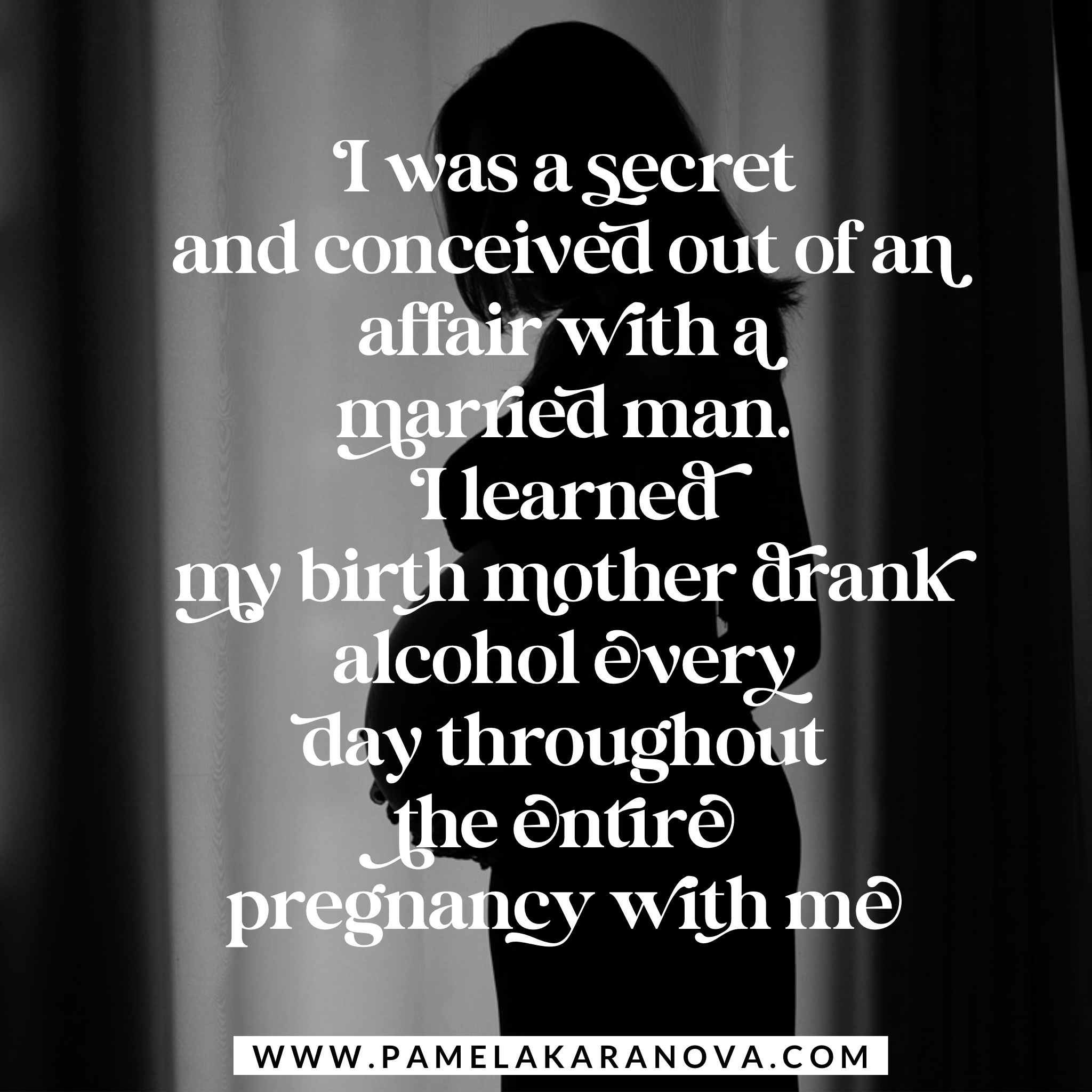
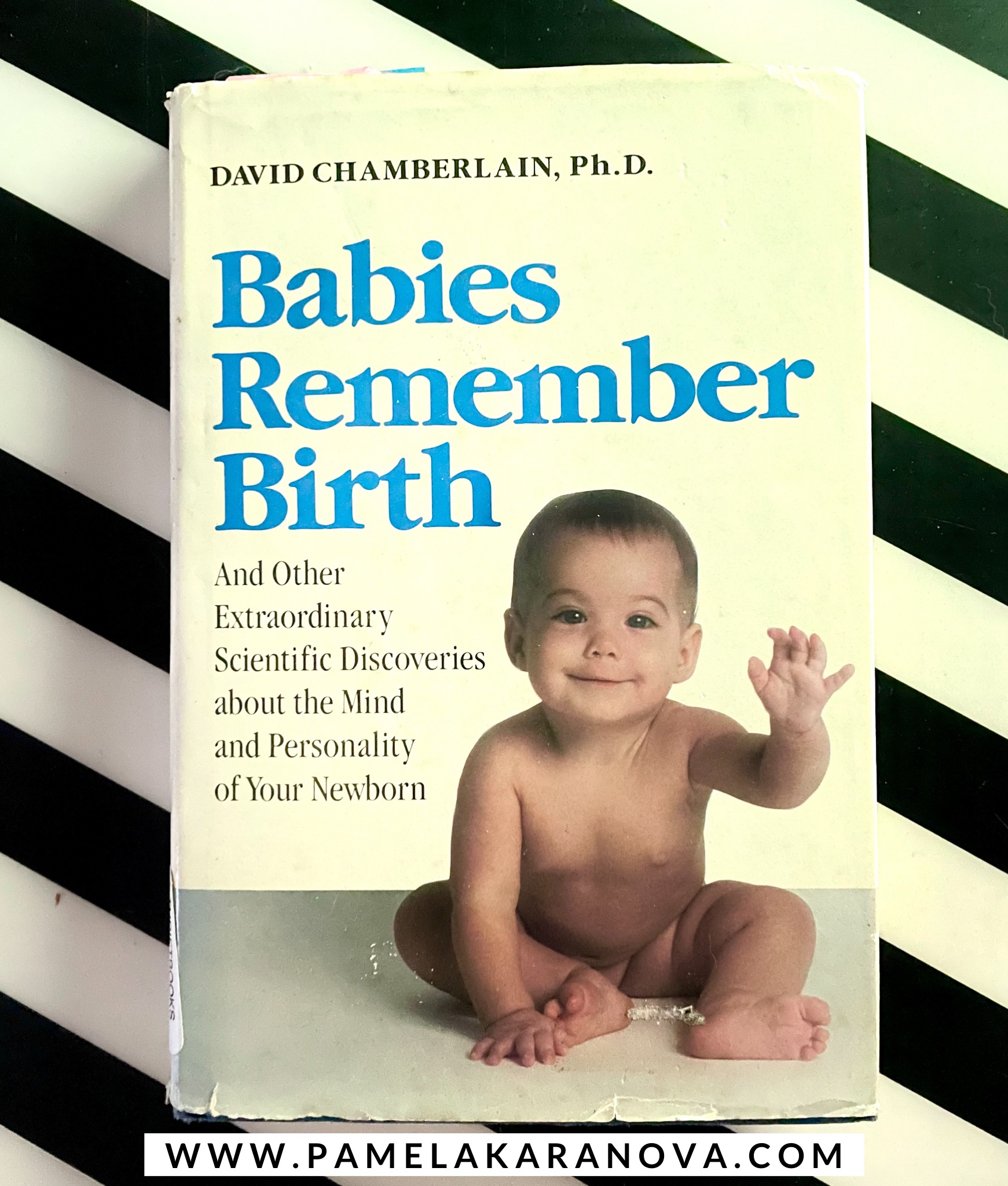









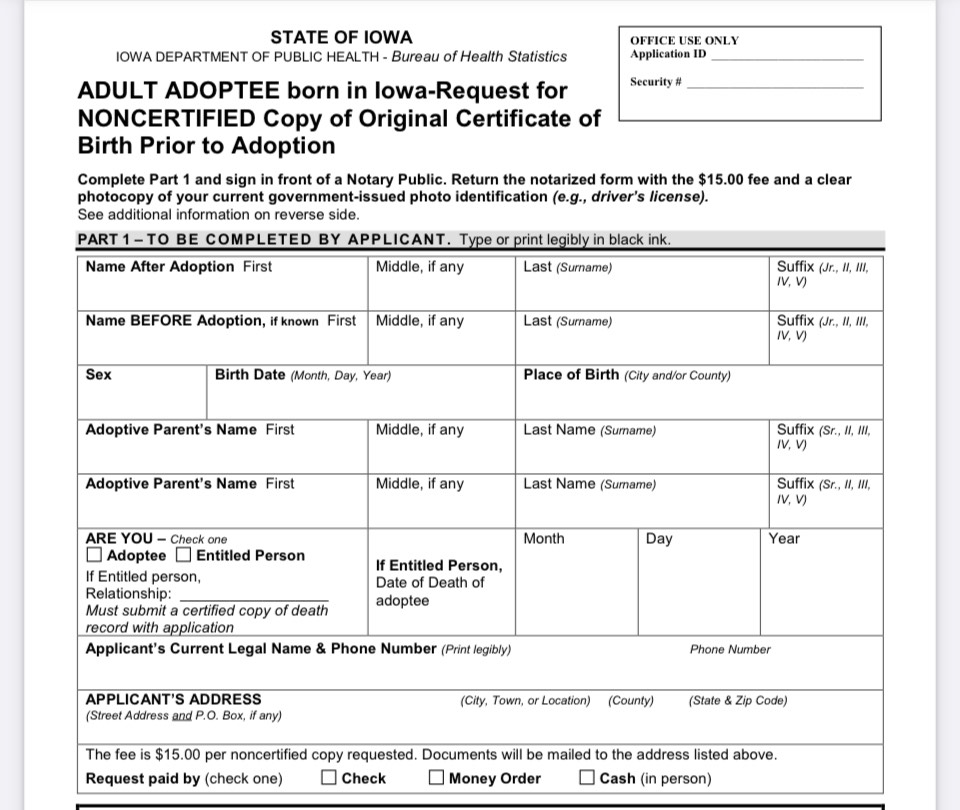
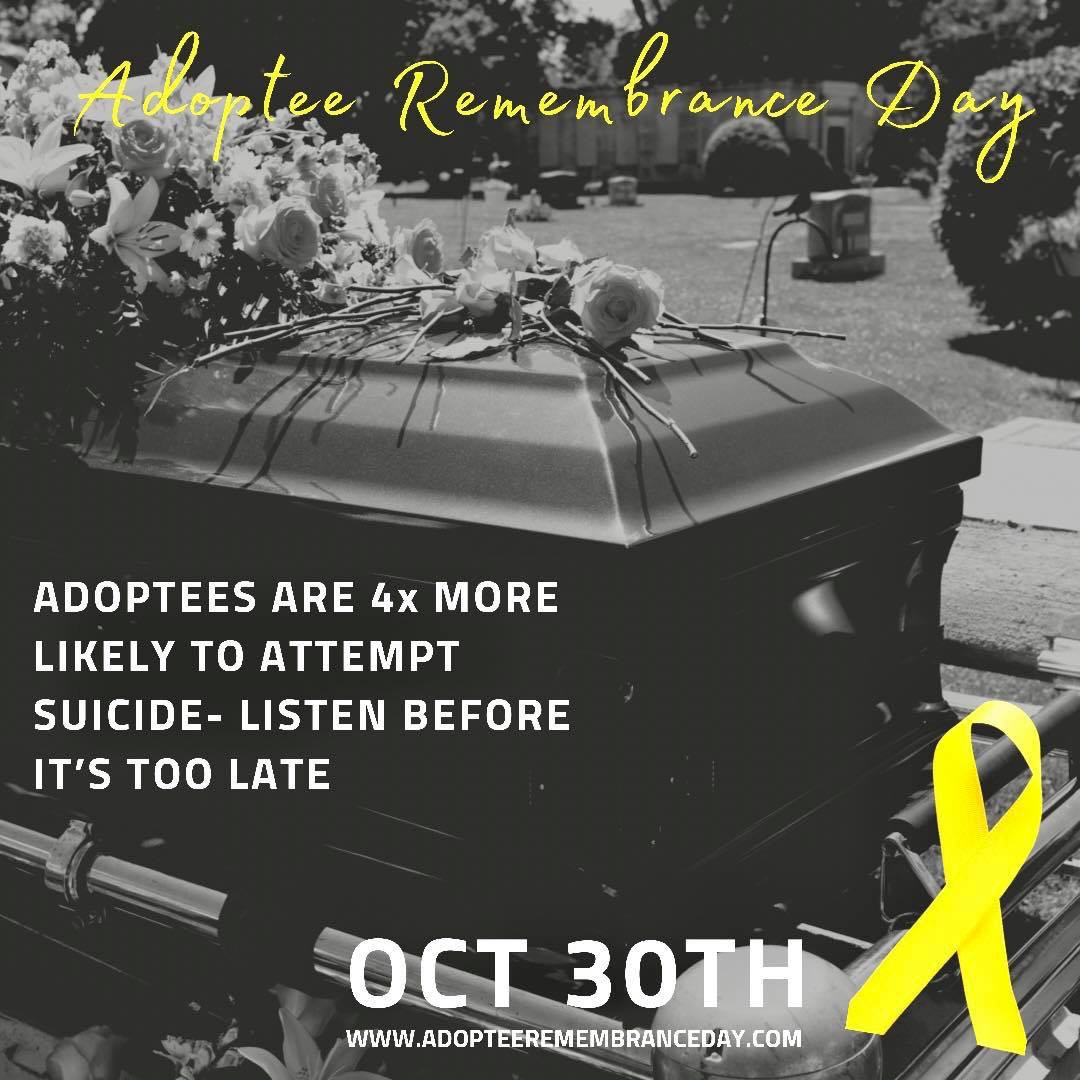
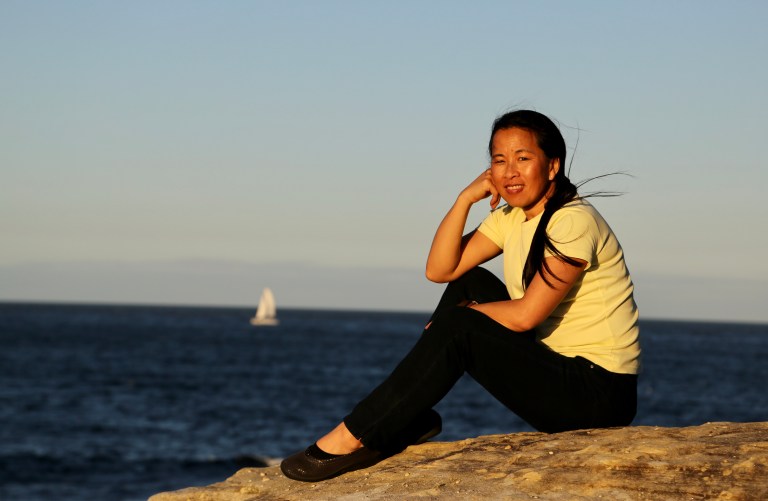

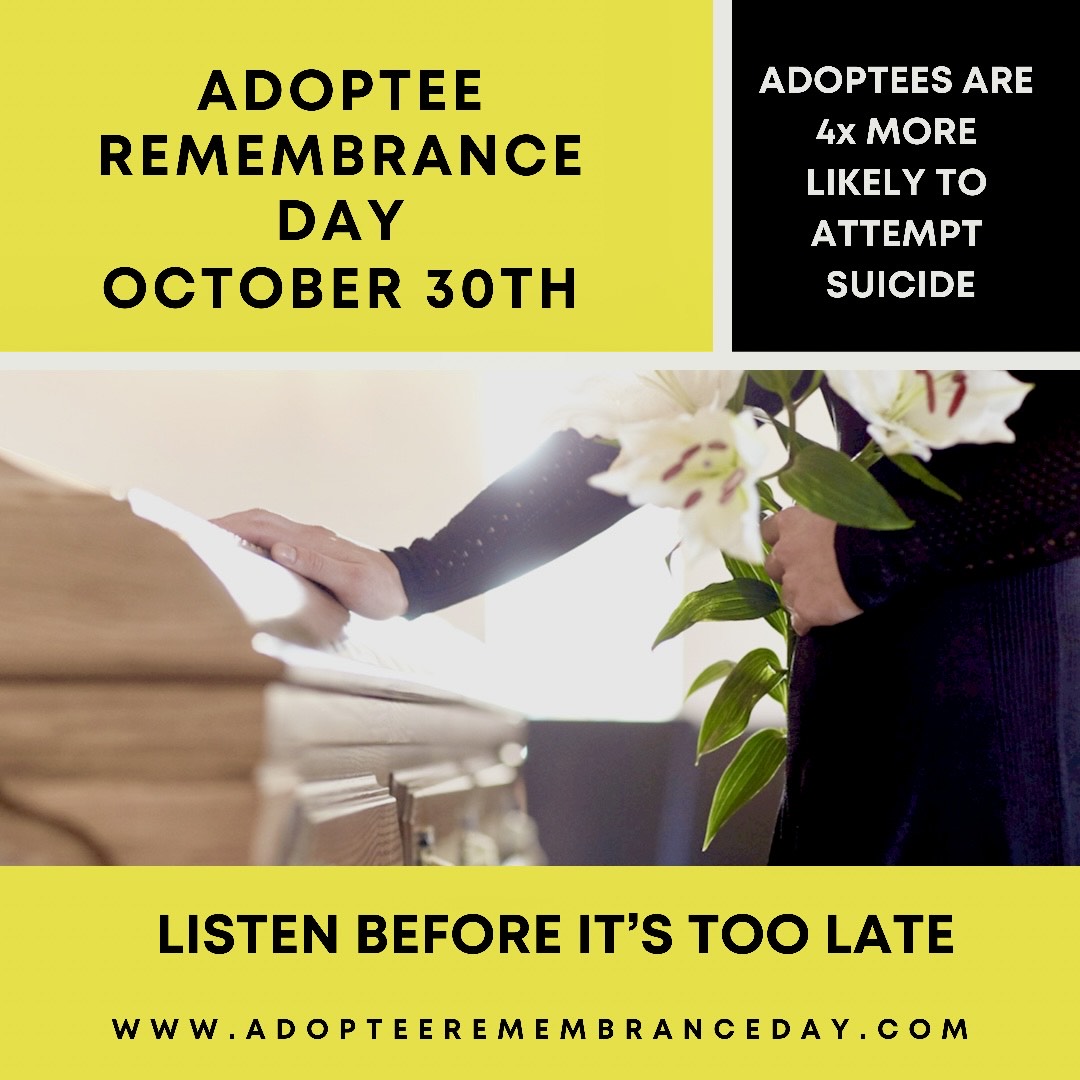




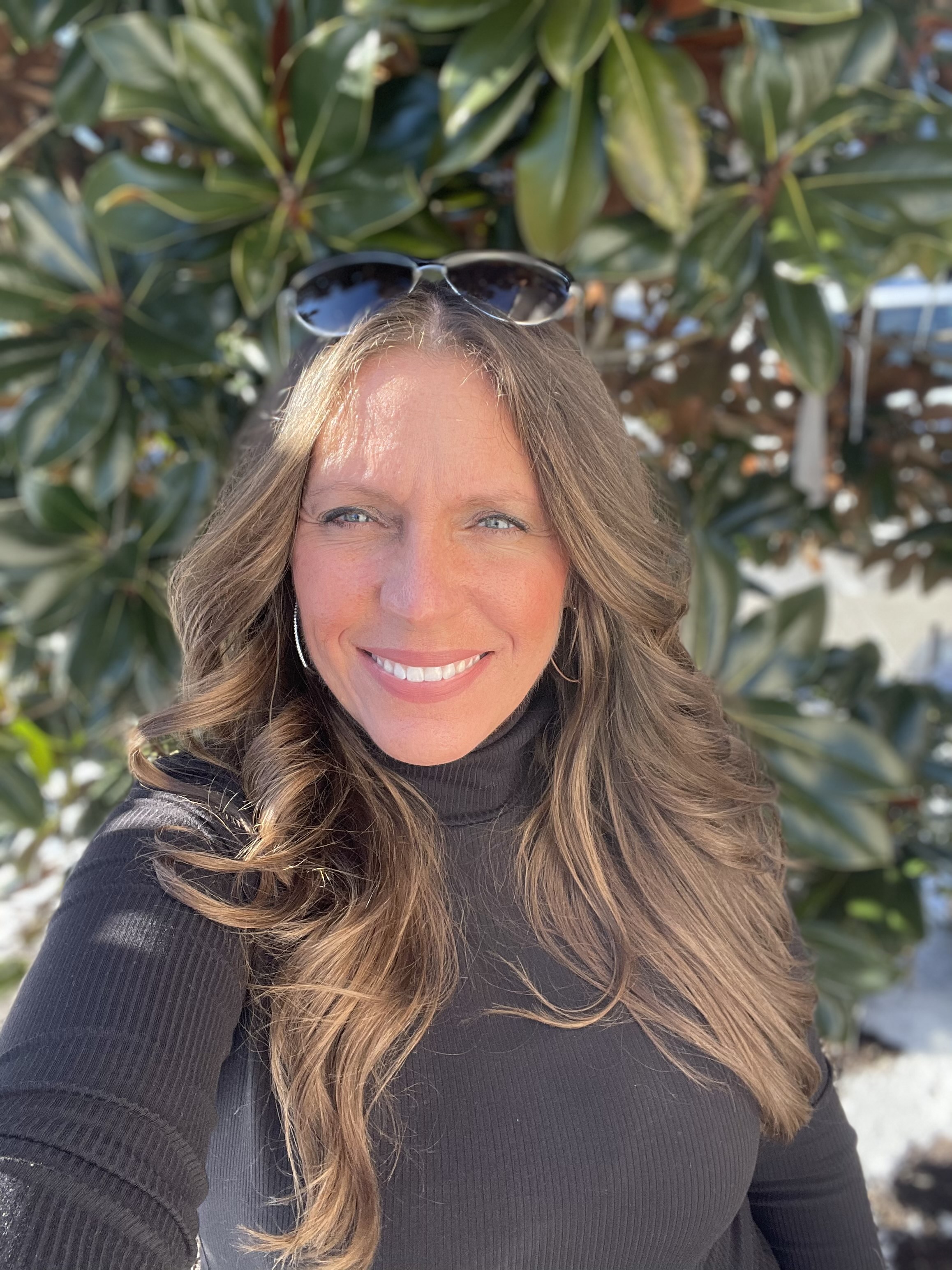



















 Pamela A. Karanova